

30 October 2025
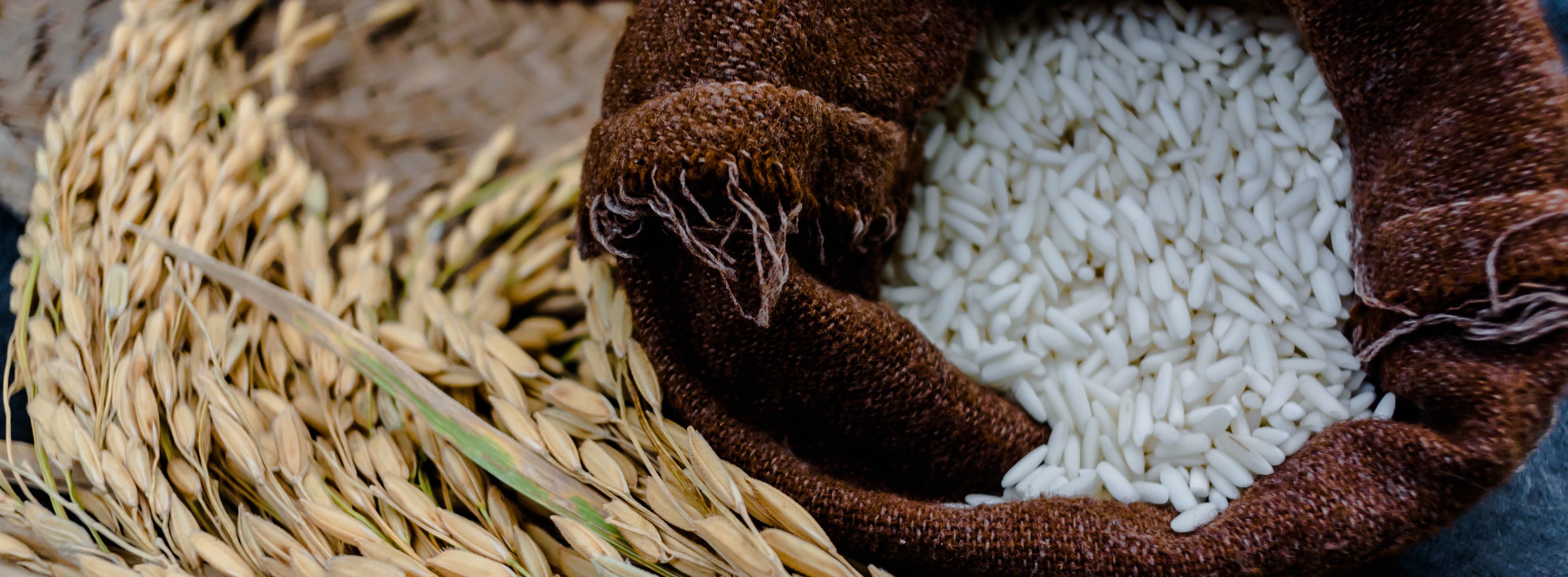
The governments of Vietnam and Singapore have approved a memorandum of understanding (MoU) on rice trade cooperation, with Vietnam’s Prime Minister authorising the deal on October 25, 2025. This MoU will entrust Vietnam’s industry and trade ministry to formalise trade conditions on rice with Singapore’s government. Special emphasis is placed on maintaining stable shipments, aligning quality standards, and ensuring logistics coordination.
Vietnam currently ranks as Singapore’s third-largest rice supplier, behind two other major exporters, and brief-ly held the top spot in early 2024. The MoU aims to build on this position by helping Vietnam compete amid strong competition from India, Thailand, and Japan, and to reinforce stability in the bilateral rice supply.
The agreement also speaks to broader food-security and supply-chain resilience goals. For Singapore, which imports over 90 % of its food, the MoU provides an anchor partner for rice imports. For Vietnam, it offers a platform to enhance rice export quality, product design, and access via Singapore’s role as a regional hub.
For Singapore, importing over 90 percent of its food, supply-chain diversification is a first-order strategic priority. Anchoring rice supply through a formal bilateral framework with Vietnam - currently its third-largest rice supplier - reduces exposure to periodic export restrictions and price spikes that have affected the rice market in recent years, particularly during monsoon disruptions or geopolitical events.
For Vietnam, the arrangement provides a predictable premium market and a platform to elevate export quality standards, product design and logistics coordination. Singapore's role as a regional distribution hub also amplifies the reach - rice moving through Singapore often onward-serves other Southeast Asian and Middle Eastern markets under quality standards that support price premiums.
For food producers, traders, retailers and financial institutions active in Asian food supply chains, Cognitud's supply chain and operations, sustainability due diligence and impact assessment teams help clients evaluate supply-chain resilience, structure supplier engagement on sustainable rice production (including water use, methane emissions and smallholder livelihoods), and disclose supply-chain sustainability performance aligned with SBTN, TNFD and jurisdictional food-security frameworks.

• 𝘛𝘩𝘦 𝘜𝘈𝘌 𝘍𝘰𝘰𝘥 𝘉𝘢𝘯𝘬 𝘢𝘯𝘥 𝘋𝘶𝘣𝘢𝘪’𝘴 𝘊𝘰𝘮𝘮𝘶𝘯𝘪𝘵𝘺 𝘋𝘦𝘷𝘦𝘭𝘰𝘱𝘮𝘦𝘯𝘵 𝘈𝘶𝘵𝘩𝘰𝘳𝘪𝘵𝘺 (𝘊𝘋𝘈) 𝘩𝘢𝘷𝘦 𝘴𝘪𝘨𝘯𝘦𝘥 𝘢𝘯 𝘢𝘨𝘳𝘦𝘦𝘮𝘦𝘯𝘵 𝘵𝘰 𝘤𝘰𝘭𝘭𝘦𝘤𝘵 𝘢𝘯𝘥 𝘳𝘦𝘥𝘪𝘴𝘵𝘳𝘪𝘣𝘶𝘵𝘦 𝘴𝘶𝘳𝘱𝘭𝘶𝘴 𝘧𝘰𝘰𝘥 𝘧𝘳𝘰𝘮 𝘸𝘦𝘥𝘥𝘪𝘯𝘨𝘴 𝘢𝘯𝘥 𝘦𝘷𝘦𝘯𝘵𝘴. • 𝘛𝘩𝘦 𝘪𝘯𝘪𝘵𝘪𝘢𝘵𝘪𝘷𝘦 𝘸𝘪𝘭𝘭 𝘧𝘰𝘭𝘭𝘰𝘸 𝘢𝘱𝘱𝘳𝘰𝘷𝘦𝘥…

<ul><li><i>India’s rooftop solar capacity reached 30.7 GW in July 2026, increasing the need for better grid management and flexibility.</i></li><li><i>Kerala and Maharashtra are exploring battery ener…

• 𝘛𝘩𝘦 𝘌𝘐𝘉 𝘎𝘳𝘰𝘶𝘱 𝘱𝘭𝘢𝘯𝘴 𝘵𝘰 𝘱𝘳𝘰𝘷𝘪𝘥𝘦 𝘢𝘵 𝘭𝘦𝘢𝘴𝘵 €30 𝘣𝘪𝘭𝘭𝘪𝘰𝘯 𝘧𝘰𝘳 𝘤𝘭𝘪𝘮𝘢𝘵𝘦 𝘢𝘥𝘢𝘱𝘵𝘢𝘵𝘪𝘰𝘯 𝘣𝘦𝘵𝘸𝘦𝘦𝘯 2026 𝘢𝘯𝘥 2030. • 𝘛𝘩𝘦 𝘯𝘦𝘸 𝘵𝘢𝘳𝘨𝘦𝘵 𝘥𝘰𝘶𝘣𝘭𝘦𝘴 𝘢𝘥𝘢𝘱𝘵𝘢𝘵𝘪𝘰𝘯 𝘧𝘪𝘯𝘢𝘯𝘤𝘪𝘯𝘨 𝘤𝘰𝘮𝘱𝘢𝘳𝘦𝘥 𝘸𝘪𝘵𝘩 𝘵𝘩𝘦 𝘱𝘳𝘦𝘷𝘪𝘰𝘶𝘴 𝘧𝘪𝘷𝘦-𝘺𝘦𝘢𝘳 𝘱𝘦𝘳𝘪𝘰𝘥. • 𝘍𝘶𝘯𝘥𝘪𝘯𝘨…