


09 September 2026
• 𝘌𝘶𝘳𝘰𝘱𝘦’𝘴 𝘭𝘢𝘳𝘨𝘦𝘴𝘵 𝘪𝘯𝘥𝘶𝘴𝘵𝘳𝘪𝘢𝘭 𝘤𝘢𝘳𝘣𝘰𝘯 𝘤𝘢𝘱𝘵𝘶𝘳𝘦 𝘧𝘢𝘤𝘪𝘭𝘪𝘵𝘺 𝘩𝘢𝘴 𝘣𝘦𝘦𝘯 𝘪𝘯𝘢𝘶𝘨𝘶𝘳𝘢𝘵𝘦𝘥 𝘢𝘵 𝘠𝘢𝘳𝘢’𝘴 𝘢𝘮𝘮𝘰𝘯𝘪𝘢 𝘢𝘯𝘥 𝘧𝘦𝘳𝘵𝘪𝘭𝘪𝘴𝘦𝘳 𝘱𝘭𝘢𝘯𝘵 𝘪𝘯 𝘚𝘭𝘶𝘪𝘴𝘬𝘪𝘭, 𝘵𝘩𝘦 𝘕𝘦𝘵𝘩𝘦𝘳𝘭𝘢𝘯𝘥𝘴. • 𝘛𝘩𝘦 𝘧𝘢𝘤𝘪𝘭𝘪𝘵𝘺 𝘤𝘢𝘯 𝘤𝘢𝘱𝘵𝘶𝘳𝘦 𝘢𝘯𝘥 𝘭𝘪𝘲𝘶𝘦𝘧𝘺 𝘶𝘱 𝘵𝘰 800,000 𝘵𝘰𝘯𝘯𝘦𝘴 𝘰𝘧 𝘊𝘖2 𝘢𝘯𝘯𝘶𝘢𝘭𝘭𝘺 𝘧𝘳𝘰𝘮 𝘢𝘮𝘮𝘰𝘯𝘪𝘢 𝘱𝘳𝘰𝘥𝘶𝘤𝘵𝘪𝘰𝘯, 𝘩𝘦𝘭𝘱𝘪𝘯𝘨 𝘳𝘦𝘥𝘶𝘤𝘦 𝘦𝘮𝘪𝘴𝘴𝘪𝘰𝘯𝘴 𝘧𝘳𝘰𝘮 𝘰𝘯𝘦 𝘰𝘧 𝘌𝘶𝘳𝘰𝘱𝘦’𝘴 𝘦𝘯𝘦𝘳𝘨𝘺-𝘪𝘯𝘵𝘦𝘯𝘴𝘪𝘷𝘦 𝘪𝘯𝘥𝘶𝘴𝘵𝘳𝘪𝘦𝘴. • 𝘊𝘢𝘱𝘵𝘶𝘳𝘦𝘥 𝘊𝘖2 𝘸𝘪𝘭𝘭 𝘣𝘦 𝘵𝘳𝘢𝘯𝘴𝘱𝘰𝘳𝘵𝘦𝘥 𝘣𝘺 𝘴𝘩𝘪𝘱 𝘵𝘰 𝘕𝘰𝘳𝘸𝘢𝘺 𝘢𝘯𝘥 𝘱𝘦𝘳𝘮𝘢𝘯𝘦𝘯𝘵𝘭𝘺 𝘴𝘵𝘰𝘳𝘦𝘥 𝘣𝘦𝘯𝘦𝘢𝘵𝘩 𝘵𝘩𝘦 𝘴𝘦𝘢𝘣𝘦𝘥 𝘵𝘩𝘳𝘰𝘶𝘨𝘩 𝘵𝘩𝘦 𝘕𝘰𝘳𝘵𝘩𝘦𝘳𝘯 𝘓𝘪𝘨𝘩𝘵𝘴 𝘤𝘢𝘳𝘣𝘰𝘯 𝘵𝘳𝘢𝘯𝘴𝘱𝘰𝘳𝘵 𝘢𝘯𝘥 𝘴𝘵𝘰𝘳𝘢𝘨𝘦 𝘴𝘺𝘴𝘵𝘦𝘮. • 𝘛𝘩𝘦 𝘱𝘳𝘰𝘫𝘦𝘤𝘵 𝘪𝘴 𝘦𝘹𝘱𝘦𝘤𝘵𝘦𝘥 𝘵𝘰 𝘤𝘢𝘱𝘵𝘶𝘳𝘦 𝘢𝘳𝘰𝘶𝘯𝘥 12 𝘮𝘪𝘭𝘭𝘪𝘰𝘯 𝘵𝘰𝘯𝘯𝘦𝘴 𝘰𝘧 𝘊𝘖2 𝘰𝘷𝘦𝘳 15 𝘺𝘦𝘢𝘳𝘴, 𝘴𝘶𝘣𝘫𝘦𝘤𝘵 𝘵𝘰 𝘴𝘶𝘱𝘱𝘰𝘳𝘵𝘪𝘷𝘦 𝘳𝘦𝘨𝘶𝘭𝘢𝘵𝘰𝘳𝘺 𝘢𝘯𝘥 𝘮𝘢𝘳𝘬𝘦𝘵 𝘤𝘰𝘯𝘥𝘪𝘵𝘪𝘰𝘯𝘴. • 𝘛𝘩𝘦 𝘧𝘢𝘤𝘪𝘭𝘪𝘵𝘺 𝘦𝘴𝘵𝘢𝘣𝘭𝘪𝘴𝘩𝘦𝘴 𝘢 𝘤𝘰𝘮𝘱𝘭𝘦𝘵𝘦 𝘤𝘳𝘰𝘴𝘴-𝘣𝘰𝘳𝘥𝘦𝘳 𝘤𝘢𝘳𝘣𝘰𝘯 𝘤𝘢𝘱𝘵𝘶𝘳𝘦 𝘢𝘯𝘥 𝘴𝘵𝘰𝘳𝘢𝘨𝘦 𝘷𝘢𝘭𝘶𝘦 𝘤𝘩𝘢𝘪𝘯, 𝘩𝘪𝘨𝘩𝘭𝘪𝘨𝘩𝘵𝘪𝘯𝘨 𝘵𝘩𝘦 𝘳𝘰𝘭𝘦 𝘰𝘧 𝘴𝘩𝘢𝘳𝘦𝘥 𝘪𝘯𝘧𝘳𝘢𝘴𝘵𝘳𝘶𝘤𝘵𝘶𝘳𝘦 𝘢𝘯𝘥 𝘪𝘯𝘵𝘦𝘳𝘯𝘢𝘵𝘪𝘰𝘯𝘢𝘭 𝘤𝘰𝘰𝘱𝘦𝘳𝘢𝘵𝘪𝘰𝘯 𝘪𝘯 𝘪𝘯𝘥𝘶𝘴𝘵𝘳𝘪𝘢𝘭 𝘥𝘦𝘤𝘢𝘳𝘣𝘰𝘯𝘪𝘴𝘢𝘵𝘪𝘰𝘯.
Europe’s largest industrial carbon capture facility has been officially inaugurated at Yara’s ammonia and fertiliser plant in Sluiskil, the Netherlands. The facility represents a major development in Europe’s efforts to reduce emissions from energy-intensive industries while maintaining industrial production and competitiveness.
The Sluiskil facility can capture and liquefy up to 800,000 tonnes of CO₂ annually from ammonia production. Following capture, the CO₂ will be temporarily stored at the site before being transported by ship to Øygarden in Norway. There, it will be permanently stored approximately 2,600 metres beneath the seabed through the Northern Lights carbon capture and storage system.
With the appropriate regulatory and market conditions, the project is expected to capture and permanently store around 12 million tonnes of CO₂ over the next 15 years. This scale makes the facility an important step in demonstrating how carbon capture can be applied to industrial operations where reducing emissions through electrification or other technologies can be more challenging.
The project also establishes what has been described as Europe’s first complete cross-border value chain for capturing, transporting and permanently storing CO₂. Its operation connects industrial emissions in the Netherlands with transport and permanent storage infrastructure in Norway, demonstrating how collaboration across national borders can support large-scale emissions reduction.
The development is particularly relevant to sectors such as fertilisers, ammonia, cement and waste management, where industrial processes can generate significant emissions. By providing access to carbon capture and permanent storage, shared infrastructure could allow businesses in these sectors to reduce emissions without necessarily having to relocate production outside Europe.
The facility also highlights the growing connection between decarbonisation and industrial competitiveness. As European companies face increasing pressure to reduce emissions while maintaining production and jobs, large-scale carbon management infrastructure could become an important part of the region’s transition towards lower-carbon industrial value chains.
For businesses, the development reinforces the importance of looking beyond individual emissions-reduction projects and considering the wider infrastructure required to achieve measurable climate targets.
Cognitud’s sustainability assessments and impact measurement approaches can help organisations understand their emissions profiles, evaluate decarbonisation pathways and translate climate objectives into measurable outcomes.
As carbon management technologies and cross-border infrastructure develop, stronger emissions data will be increasingly important for businesses seeking to assess the effectiveness of their climate strategies, communicate progress and make informed long-term investment decisions.
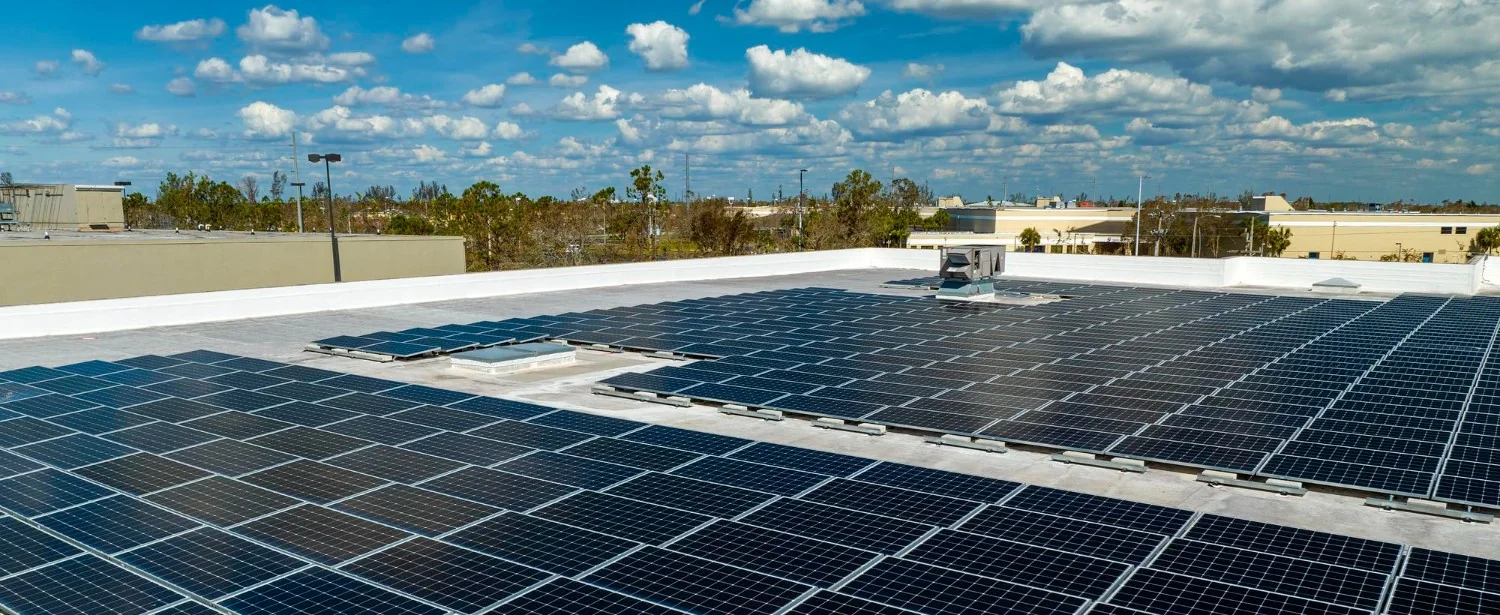
<ul><li><i>India’s rooftop solar capacity reached 30.7 GW in July 2026, increasing the need for better grid management and flexibility.</i></li><li><i>Kerala and Maharashtra are exploring battery ener…
• 𝘛𝘩𝘦 𝘌𝘐𝘉 𝘎𝘳𝘰𝘶𝘱 𝘱𝘭𝘢𝘯𝘴 𝘵𝘰 𝘱𝘳𝘰𝘷𝘪𝘥𝘦 𝘢𝘵 𝘭𝘦𝘢𝘴𝘵 €30 𝘣𝘪𝘭𝘭𝘪𝘰𝘯 𝘧𝘰𝘳 𝘤𝘭𝘪𝘮𝘢𝘵𝘦 𝘢𝘥𝘢𝘱𝘵𝘢𝘵𝘪𝘰𝘯 𝘣𝘦𝘵𝘸𝘦𝘦𝘯 2026 𝘢𝘯𝘥 2030. • 𝘛𝘩𝘦 𝘯𝘦𝘸 𝘵𝘢𝘳𝘨𝘦𝘵 𝘥𝘰𝘶𝘣𝘭𝘦𝘴 𝘢𝘥𝘢𝘱𝘵𝘢𝘵𝘪𝘰𝘯 𝘧𝘪𝘯𝘢𝘯𝘤𝘪𝘯𝘨 𝘤𝘰𝘮𝘱𝘢𝘳𝘦𝘥 𝘸𝘪𝘵𝘩 𝘵𝘩𝘦 𝘱𝘳𝘦𝘷𝘪𝘰𝘶𝘴 𝘧𝘪𝘷𝘦-𝘺𝘦𝘢𝘳 𝘱𝘦𝘳𝘪𝘰𝘥. • 𝘍𝘶𝘯𝘥𝘪𝘯𝘨…

• 𝘊𝘢𝘯𝘢𝘥𝘢’𝘴 𝘧𝘪𝘯𝘢𝘭 𝘵𝘢𝘹𝘰𝘯𝘰𝘮𝘺 𝘮𝘦𝘵𝘩𝘰𝘥𝘰𝘭𝘰𝘨𝘺 𝘦𝘴𝘵𝘢𝘣𝘭𝘪𝘴𝘩𝘦𝘴 𝘨𝘳𝘦𝘦𝘯 𝘢𝘯𝘥 𝘵𝘳𝘢𝘯𝘴𝘪𝘵𝘪𝘰𝘯 𝘤𝘢𝘵𝘦𝘨𝘰𝘳𝘪𝘦𝘴 𝘧𝘰𝘳 𝘢𝘴𝘴𝘦𝘴𝘴𝘪𝘯𝘨 𝘤𝘭𝘪𝘮𝘢𝘵𝘦-𝘢𝘭𝘪𝘨𝘯𝘦𝘥 𝘦𝘤𝘰𝘯𝘰𝘮𝘪𝘤 𝘢𝘤𝘵𝘪𝘷𝘪𝘵𝘪𝘦𝘴. • 𝘛𝘩𝘦 𝘷𝘰𝘭𝘶𝘯𝘵𝘢𝘳𝘺 𝘧𝘳𝘢𝘮𝘦𝘸𝘰𝘳𝘬 𝘢𝘪𝘮𝘴 𝘵𝘰 𝘪𝘮𝘱𝘳𝘰𝘷𝘦 𝘤𝘰𝘯𝘴𝘪𝘴𝘵𝘦𝘯𝘤𝘺 𝘢𝘯𝘥 𝘤𝘰𝘯𝘧𝘪𝘥𝘦𝘯𝘤…