

.jpg)
27 March 2026
The Trump administration is preparing to invoke one of the most extraordinary mechanisms in U.S. environmental law, convening the rarely used Endangered Species Committee-known as the “God Squad”-to weigh expanded oil and gas activity in the Gulf of Mexico against the survival of critically endangered marine species.
The move follows a request tied to national security, with the administration seeking sweeping exemptions from the Endangered Species Act for federally regulated fossil fuel operations. If granted, the exemption could override protections for species including endangered sea turtles and the Rice’s whale, whose population has dwindled to just 51 individuals.
The “God Squad,” formally the Endangered Species Committee, has only granted exemptions twice in nearly 50 years, underscoring the unprecedented nature of the case. Environmental groups, led by the Center for Biological Diversity, have already challenged the move in court, warning it could set a dangerous precedent by prioritizing energy expansion over biodiversity.
At the heart of the debate is whether increased drilling would meaningfully enhance national security. Experts note that U.S. oil production is already near record highs, with Gulf operations producing around 1.9 million barrels per day under existing environmental safeguards. Critics argue that bypassing established review processes-such as environmental impact assessments and biological opinions-undermines both scientific rigor and legal precedent.
Legal scholars, including Zygmunt Plater, emphasize that the committee was designed as a last-resort mechanism for extreme cases where no viable alternatives exist. However, the administration’s broad request-reportedly covering all federal oil and gas activities in the Gulf-may complicate its legal standing and increase the likelihood of prolonged litigation.
The environmental stakes are significant. Past incidents like the Deepwater Horizon oil spill demonstrated the catastrophic risks of offshore drilling, which devastated marine ecosystems and significantly reduced whale populations. Scientists warn that vessel strikes, underwater noise, and potential oil spills continue to pose existential threats to vulnerable species.
As the committee prepares to deliberate, the case has evolved into a broader test of how far national security arguments can stretch environmental law-and whether economic and energy priorities will outweigh the long-standing mandate to prevent species extinction at any cost.
God Squad-style reviews balancing energy expansion against ESA protections illustrate the persistent tension between industrial development and biodiversity, and outcomes shape how corporates with land-use exposure think about nature risk. Our nature-based-solutions and sustainability-due-diligence teams help clients evaluate what these reviews mean for biodiversity-linked disclosure.

• 𝘛𝘩𝘦 𝘜𝘈𝘌 𝘍𝘰𝘰𝘥 𝘉𝘢𝘯𝘬 𝘢𝘯𝘥 𝘋𝘶𝘣𝘢𝘪’𝘴 𝘊𝘰𝘮𝘮𝘶𝘯𝘪𝘵𝘺 𝘋𝘦𝘷𝘦𝘭𝘰𝘱𝘮𝘦𝘯𝘵 𝘈𝘶𝘵𝘩𝘰𝘳𝘪𝘵𝘺 (𝘊𝘋𝘈) 𝘩𝘢𝘷𝘦 𝘴𝘪𝘨𝘯𝘦𝘥 𝘢𝘯 𝘢𝘨𝘳𝘦𝘦𝘮𝘦𝘯𝘵 𝘵𝘰 𝘤𝘰𝘭𝘭𝘦𝘤𝘵 𝘢𝘯𝘥 𝘳𝘦𝘥𝘪𝘴𝘵𝘳𝘪𝘣𝘶𝘵𝘦 𝘴𝘶𝘳𝘱𝘭𝘶𝘴 𝘧𝘰𝘰𝘥 𝘧𝘳𝘰𝘮 𝘸𝘦𝘥𝘥𝘪𝘯𝘨𝘴 𝘢𝘯𝘥 𝘦𝘷𝘦𝘯𝘵𝘴. • 𝘛𝘩𝘦 𝘪𝘯𝘪𝘵𝘪𝘢𝘵𝘪𝘷𝘦 𝘸𝘪𝘭𝘭 𝘧𝘰𝘭𝘭𝘰𝘸 𝘢𝘱𝘱𝘳𝘰𝘷𝘦𝘥…
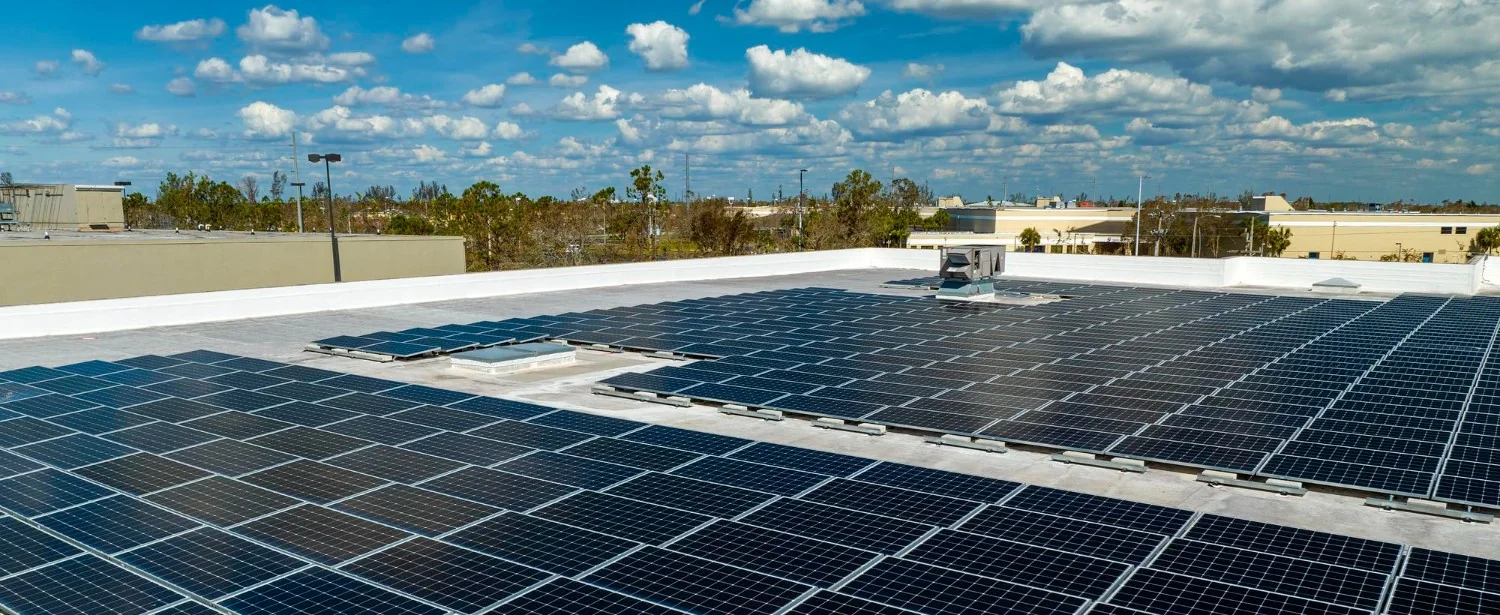
<ul><li><i>India’s rooftop solar capacity reached 30.7 GW in July 2026, increasing the need for better grid management and flexibility.</i></li><li><i>Kerala and Maharashtra are exploring battery ener…

• 𝘛𝘩𝘦 𝘌𝘐𝘉 𝘎𝘳𝘰𝘶𝘱 𝘱𝘭𝘢𝘯𝘴 𝘵𝘰 𝘱𝘳𝘰𝘷𝘪𝘥𝘦 𝘢𝘵 𝘭𝘦𝘢𝘴𝘵 €30 𝘣𝘪𝘭𝘭𝘪𝘰𝘯 𝘧𝘰𝘳 𝘤𝘭𝘪𝘮𝘢𝘵𝘦 𝘢𝘥𝘢𝘱𝘵𝘢𝘵𝘪𝘰𝘯 𝘣𝘦𝘵𝘸𝘦𝘦𝘯 2026 𝘢𝘯𝘥 2030. • 𝘛𝘩𝘦 𝘯𝘦𝘸 𝘵𝘢𝘳𝘨𝘦𝘵 𝘥𝘰𝘶𝘣𝘭𝘦𝘴 𝘢𝘥𝘢𝘱𝘵𝘢𝘵𝘪𝘰𝘯 𝘧𝘪𝘯𝘢𝘯𝘤𝘪𝘯𝘨 𝘤𝘰𝘮𝘱𝘢𝘳𝘦𝘥 𝘸𝘪𝘵𝘩 𝘵𝘩𝘦 𝘱𝘳𝘦𝘷𝘪𝘰𝘶𝘴 𝘧𝘪𝘷𝘦-𝘺𝘦𝘢𝘳 𝘱𝘦𝘳𝘪𝘰𝘥. • 𝘍𝘶𝘯𝘥𝘪𝘯𝘨…