

.jpg)
08 July 2025
In a move that could significantly ramp up fossil fuel production, the U.S. Interior Department on Monday proposed regulatory changes aimed at streamlining oil and gas drilling operations across the American West. The proposed rules would ease current restrictions on "commingling", the practice of combining output from multiple leases on a single well pad, potentially saving the energy industry up to $1.8 billion annually.
The current regulations from the Bureau of Land Management (BLM) only allow commingling when leases share identical mineral ownership, royalty rates, and revenue distribution structures. This has presented major challenges in the western U.S., where mineral rights and ownership are often highly complex and fragmented.
The Interior Department stated that its proposal would modernize outdated rules, improve operational efficiency, and allow for more accurate tracking of fossil fuel production, royalty payments, and revenue distributions to both the federal government and tribal nations.
Interior Secretary Doug Burgum emphasized that the changes are long overdue. “The current rules were written for a different era,” he said. “These updates will help us manage public resources more efficiently, support responsible energy production, and make sure taxpayers and tribes get every dollar they’re owed.”
The proposal aligns with directives from former President Donald Trump’s tax reform law, which called for streamlined approval of commingling applications as part of the administration's broader “energy dominance” agenda. The Western Energy Alliance has strongly backed these changes, citing commingling as a fast-track solution to boost onshore production that has often been stalled by regulatory delays.
While the U.S. remains the world’s leading oil and gas producer, this latest policy shift signals continued federal efforts to remove regulatory barriers and accelerate fossil fuel development despite growing environmental concerns and global climate commitments.
Regulatory acceleration of onshore O&G production shifts the near-term supply picture without changing the long-horizon transition-risk exposure - insurance appetite, lender pricing and TCFD-aligned scenarios all still point the same way. Our sustainability-due-diligence and climate-action teams help producers and their financiers keep disclosure narratives coherent across that gap.

• 𝘛𝘩𝘦 𝘜𝘈𝘌 𝘍𝘰𝘰𝘥 𝘉𝘢𝘯𝘬 𝘢𝘯𝘥 𝘋𝘶𝘣𝘢𝘪’𝘴 𝘊𝘰𝘮𝘮𝘶𝘯𝘪𝘵𝘺 𝘋𝘦𝘷𝘦𝘭𝘰𝘱𝘮𝘦𝘯𝘵 𝘈𝘶𝘵𝘩𝘰𝘳𝘪𝘵𝘺 (𝘊𝘋𝘈) 𝘩𝘢𝘷𝘦 𝘴𝘪𝘨𝘯𝘦𝘥 𝘢𝘯 𝘢𝘨𝘳𝘦𝘦𝘮𝘦𝘯𝘵 𝘵𝘰 𝘤𝘰𝘭𝘭𝘦𝘤𝘵 𝘢𝘯𝘥 𝘳𝘦𝘥𝘪𝘴𝘵𝘳𝘪𝘣𝘶𝘵𝘦 𝘴𝘶𝘳𝘱𝘭𝘶𝘴 𝘧𝘰𝘰𝘥 𝘧𝘳𝘰𝘮 𝘸𝘦𝘥𝘥𝘪𝘯𝘨𝘴 𝘢𝘯𝘥 𝘦𝘷𝘦𝘯𝘵𝘴. • 𝘛𝘩𝘦 𝘪𝘯𝘪𝘵𝘪𝘢𝘵𝘪𝘷𝘦 𝘸𝘪𝘭𝘭 𝘧𝘰𝘭𝘭𝘰𝘸 𝘢𝘱𝘱𝘳𝘰𝘷𝘦𝘥…
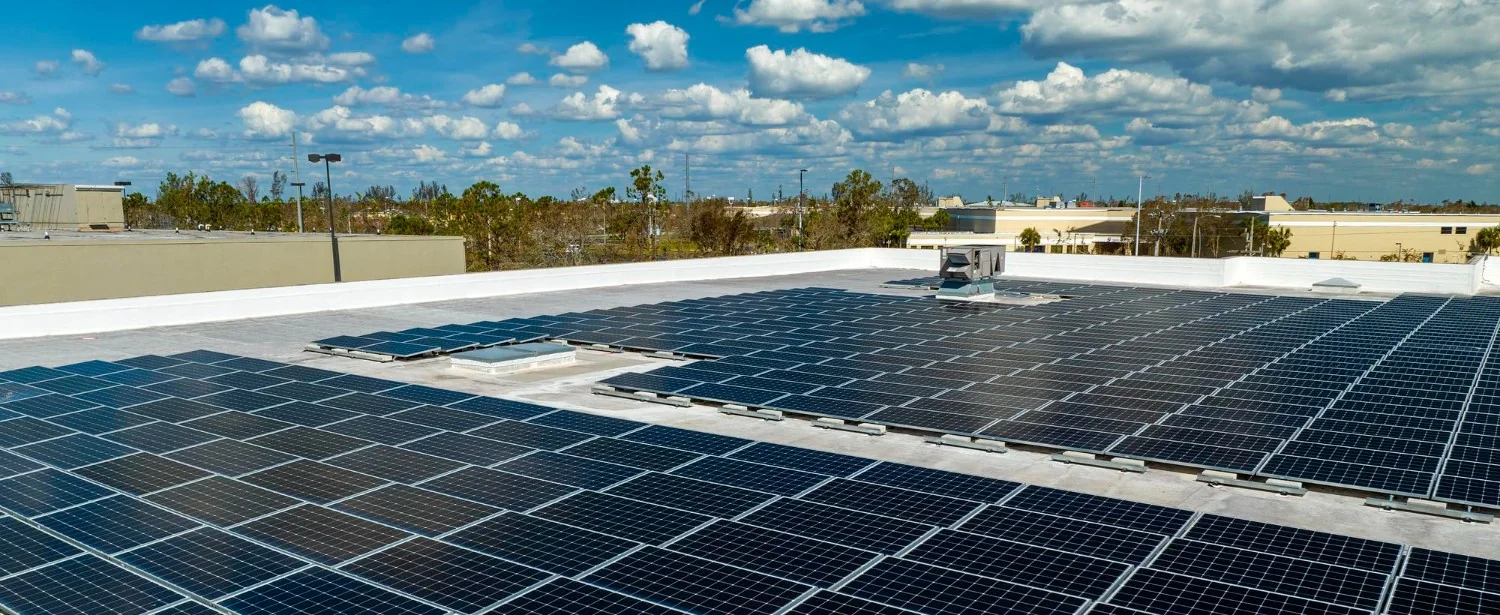
<ul><li><i>India’s rooftop solar capacity reached 30.7 GW in July 2026, increasing the need for better grid management and flexibility.</i></li><li><i>Kerala and Maharashtra are exploring battery ener…

• 𝘛𝘩𝘦 𝘌𝘐𝘉 𝘎𝘳𝘰𝘶𝘱 𝘱𝘭𝘢𝘯𝘴 𝘵𝘰 𝘱𝘳𝘰𝘷𝘪𝘥𝘦 𝘢𝘵 𝘭𝘦𝘢𝘴𝘵 €30 𝘣𝘪𝘭𝘭𝘪𝘰𝘯 𝘧𝘰𝘳 𝘤𝘭𝘪𝘮𝘢𝘵𝘦 𝘢𝘥𝘢𝘱𝘵𝘢𝘵𝘪𝘰𝘯 𝘣𝘦𝘵𝘸𝘦𝘦𝘯 2026 𝘢𝘯𝘥 2030. • 𝘛𝘩𝘦 𝘯𝘦𝘸 𝘵𝘢𝘳𝘨𝘦𝘵 𝘥𝘰𝘶𝘣𝘭𝘦𝘴 𝘢𝘥𝘢𝘱𝘵𝘢𝘵𝘪𝘰𝘯 𝘧𝘪𝘯𝘢𝘯𝘤𝘪𝘯𝘨 𝘤𝘰𝘮𝘱𝘢𝘳𝘦𝘥 𝘸𝘪𝘵𝘩 𝘵𝘩𝘦 𝘱𝘳𝘦𝘷𝘪𝘰𝘶𝘴 𝘧𝘪𝘷𝘦-𝘺𝘦𝘢𝘳 𝘱𝘦𝘳𝘪𝘰𝘥. • 𝘍𝘶𝘯𝘥𝘪𝘯𝘨…