

.jpg)
20 May 2026
U.S. natural gas exporters are urging the European Union to postpone enforcement of its upcoming methane emissions regulations until at least 2028, warning that regulatory uncertainty is already slowing long-term energy agreements with European buyers.
The request comes as the EU prepares to implement new methane rules for imported gas starting in January 2027. Under the regulation, suppliers must either comply with monitoring and verification standards equivalent to those used in Europe or meet internationally recognized methane reporting frameworks.
Industry representatives say the timeline creates operational and contractual uncertainty for exporters, particularly as Europe increasingly relies on U.S. liquefied natural gas (LNG) following the sharp decline in Russian pipeline gas imports after the 2022 invasion of Ukraine. According to the Natural Gas Supply Association (NGSA), several exporters have become reluctant to finalize long-term supply agreements until there is greater clarity around compliance requirements.
The debate comes at a sensitive moment for global gas markets. Ongoing geopolitical tensions involving Iran have disrupted portions of global LNG supply chains and delayed new production capacity, tightening energy markets worldwide. Some European buyers have already turned to additional U.S. supply agreements to help offset expected delays in alternative LNG sources.
European regulators, however, continue to view methane reduction as a core pillar of the bloc’s climate strategy. Methane is considered one of the most potent greenhouse gases, and the EU has positioned stricter emissions oversight as essential to reducing the climate impact of fossil fuel imports.
While the European Commission has introduced some flexibility measures for compliance, it has so far resisted calls from industry groups to suspend or weaken the regulation. The standoff highlights growing tensions between energy security priorities and climate-driven regulatory frameworks as global demand for LNG continues to rise.
US LNG lobbying against EU methane rules shows how sustainability rules increasingly intersect with energy-security politics, and how well upstream methane management is done matters for competitive positioning. Our energy-transition and sustainability-due-diligence teams help LNG producers evaluate methane-management strategy and disclosure.

• 𝘛𝘩𝘦 𝘜𝘈𝘌 𝘍𝘰𝘰𝘥 𝘉𝘢𝘯𝘬 𝘢𝘯𝘥 𝘋𝘶𝘣𝘢𝘪’𝘴 𝘊𝘰𝘮𝘮𝘶𝘯𝘪𝘵𝘺 𝘋𝘦𝘷𝘦𝘭𝘰𝘱𝘮𝘦𝘯𝘵 𝘈𝘶𝘵𝘩𝘰𝘳𝘪𝘵𝘺 (𝘊𝘋𝘈) 𝘩𝘢𝘷𝘦 𝘴𝘪𝘨𝘯𝘦𝘥 𝘢𝘯 𝘢𝘨𝘳𝘦𝘦𝘮𝘦𝘯𝘵 𝘵𝘰 𝘤𝘰𝘭𝘭𝘦𝘤𝘵 𝘢𝘯𝘥 𝘳𝘦𝘥𝘪𝘴𝘵𝘳𝘪𝘣𝘶𝘵𝘦 𝘴𝘶𝘳𝘱𝘭𝘶𝘴 𝘧𝘰𝘰𝘥 𝘧𝘳𝘰𝘮 𝘸𝘦𝘥𝘥𝘪𝘯𝘨𝘴 𝘢𝘯𝘥 𝘦𝘷𝘦𝘯𝘵𝘴. • 𝘛𝘩𝘦 𝘪𝘯𝘪𝘵𝘪𝘢𝘵𝘪𝘷𝘦 𝘸𝘪𝘭𝘭 𝘧𝘰𝘭𝘭𝘰𝘸 𝘢𝘱𝘱𝘳𝘰𝘷𝘦𝘥…
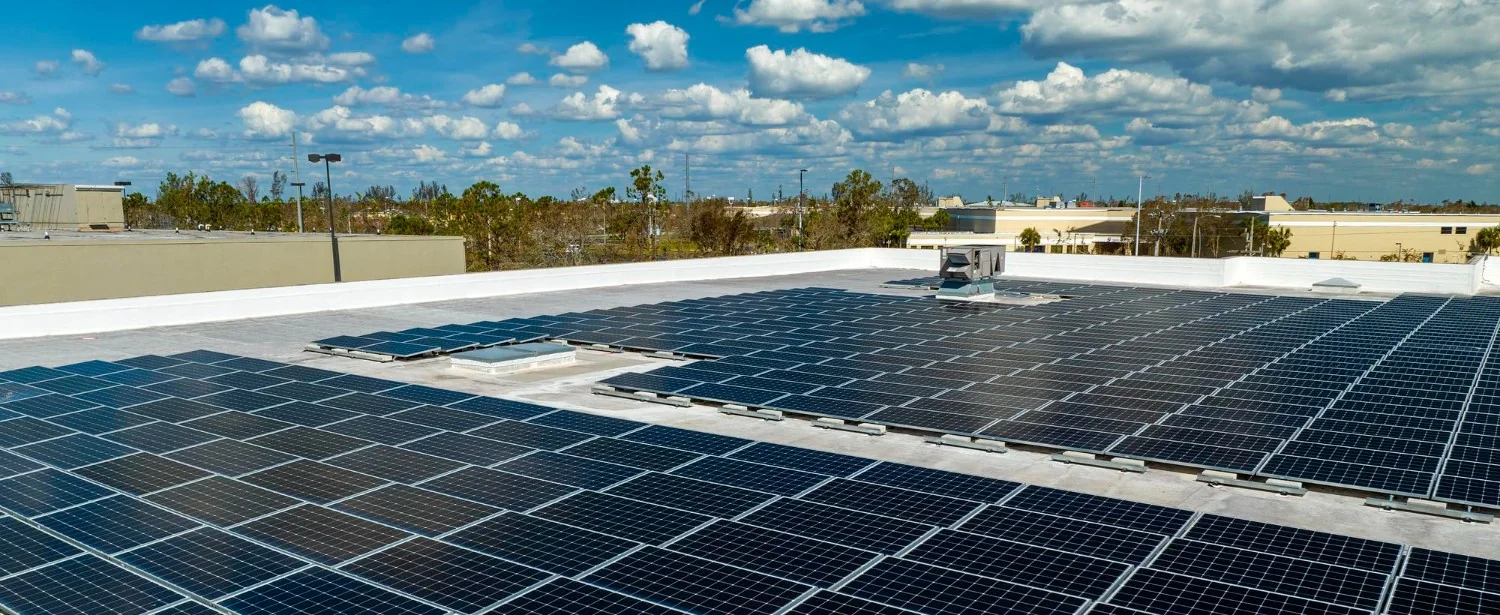
<ul><li><i>India’s rooftop solar capacity reached 30.7 GW in July 2026, increasing the need for better grid management and flexibility.</i></li><li><i>Kerala and Maharashtra are exploring battery ener…

• 𝘛𝘩𝘦 𝘌𝘐𝘉 𝘎𝘳𝘰𝘶𝘱 𝘱𝘭𝘢𝘯𝘴 𝘵𝘰 𝘱𝘳𝘰𝘷𝘪𝘥𝘦 𝘢𝘵 𝘭𝘦𝘢𝘴𝘵 €30 𝘣𝘪𝘭𝘭𝘪𝘰𝘯 𝘧𝘰𝘳 𝘤𝘭𝘪𝘮𝘢𝘵𝘦 𝘢𝘥𝘢𝘱𝘵𝘢𝘵𝘪𝘰𝘯 𝘣𝘦𝘵𝘸𝘦𝘦𝘯 2026 𝘢𝘯𝘥 2030. • 𝘛𝘩𝘦 𝘯𝘦𝘸 𝘵𝘢𝘳𝘨𝘦𝘵 𝘥𝘰𝘶𝘣𝘭𝘦𝘴 𝘢𝘥𝘢𝘱𝘵𝘢𝘵𝘪𝘰𝘯 𝘧𝘪𝘯𝘢𝘯𝘤𝘪𝘯𝘨 𝘤𝘰𝘮𝘱𝘢𝘳𝘦𝘥 𝘸𝘪𝘵𝘩 𝘵𝘩𝘦 𝘱𝘳𝘦𝘷𝘪𝘰𝘶𝘴 𝘧𝘪𝘷𝘦-𝘺𝘦𝘢𝘳 𝘱𝘦𝘳𝘪𝘰𝘥. • 𝘍𝘶𝘯𝘥𝘪𝘯𝘨…