


05 May 2026
The U.S. Department of Justice has filed a lawsuit seeking to stop Minnesota from advancing its long-running climate case against major fossil fuel industry players, escalating the Trump administration’s broader push to shield the oil and gas sector from state-level climate litigation.
The case targets a 2020 lawsuit filed by Minnesota Attorney General Keith Ellison against oil industry entities, accusing them of misleading the public about the climate impacts of fossil fuels and violating state consumer protection laws. The defendants have denied the allegations and have spent years contesting the case in court.
The Justice Department argues that Minnesota’s lawsuit oversteps constitutional boundaries by attempting to regulate greenhouse gas emissions, which it says fall under exclusive federal authority. Officials linked the legal action to President Donald Trump’s energy agenda, which prioritizes expanding domestic oil and gas production and limiting what the administration describes as barriers to “American energy dominance.”
The move follows similar federal lawsuits filed against Michigan and Hawaii over climate-related legal actions targeting fossil fuel companies. However, courts recently dismissed both of those cases, dealing setbacks to the administration’s efforts to curb state-led climate litigation.
Minnesota officials strongly criticized the new federal lawsuit, calling it politically motivated and without merit. Attorney General Ellison said the state would seek dismissal of the case, arguing that consumers deserve accountability over alleged misinformation surrounding climate risks.
The dispute highlights the growing legal and political clash between federal energy policy and state-level climate accountability efforts, with broader implications for environmental regulation, corporate liability, and the future of climate litigation in the United States.
Federal intervention in state climate litigation illustrates how contested climate liability is becoming across US jurisdictions, and it affects insurer, lender and O&G corporate risk pricing. Our sustainability-due-diligence and climate-action teams help clients evaluate what these legal battles mean for TCFD-aligned transition-risk disclosure.

• 𝘛𝘩𝘦 𝘜𝘈𝘌 𝘍𝘰𝘰𝘥 𝘉𝘢𝘯𝘬 𝘢𝘯𝘥 𝘋𝘶𝘣𝘢𝘪’𝘴 𝘊𝘰𝘮𝘮𝘶𝘯𝘪𝘵𝘺 𝘋𝘦𝘷𝘦𝘭𝘰𝘱𝘮𝘦𝘯𝘵 𝘈𝘶𝘵𝘩𝘰𝘳𝘪𝘵𝘺 (𝘊𝘋𝘈) 𝘩𝘢𝘷𝘦 𝘴𝘪𝘨𝘯𝘦𝘥 𝘢𝘯 𝘢𝘨𝘳𝘦𝘦𝘮𝘦𝘯𝘵 𝘵𝘰 𝘤𝘰𝘭𝘭𝘦𝘤𝘵 𝘢𝘯𝘥 𝘳𝘦𝘥𝘪𝘴𝘵𝘳𝘪𝘣𝘶𝘵𝘦 𝘴𝘶𝘳𝘱𝘭𝘶𝘴 𝘧𝘰𝘰𝘥 𝘧𝘳𝘰𝘮 𝘸𝘦𝘥𝘥𝘪𝘯𝘨𝘴 𝘢𝘯𝘥 𝘦𝘷𝘦𝘯𝘵𝘴. • 𝘛𝘩𝘦 𝘪𝘯𝘪𝘵𝘪𝘢𝘵𝘪𝘷𝘦 𝘸𝘪𝘭𝘭 𝘧𝘰𝘭𝘭𝘰𝘸 𝘢𝘱𝘱𝘳𝘰𝘷𝘦𝘥…
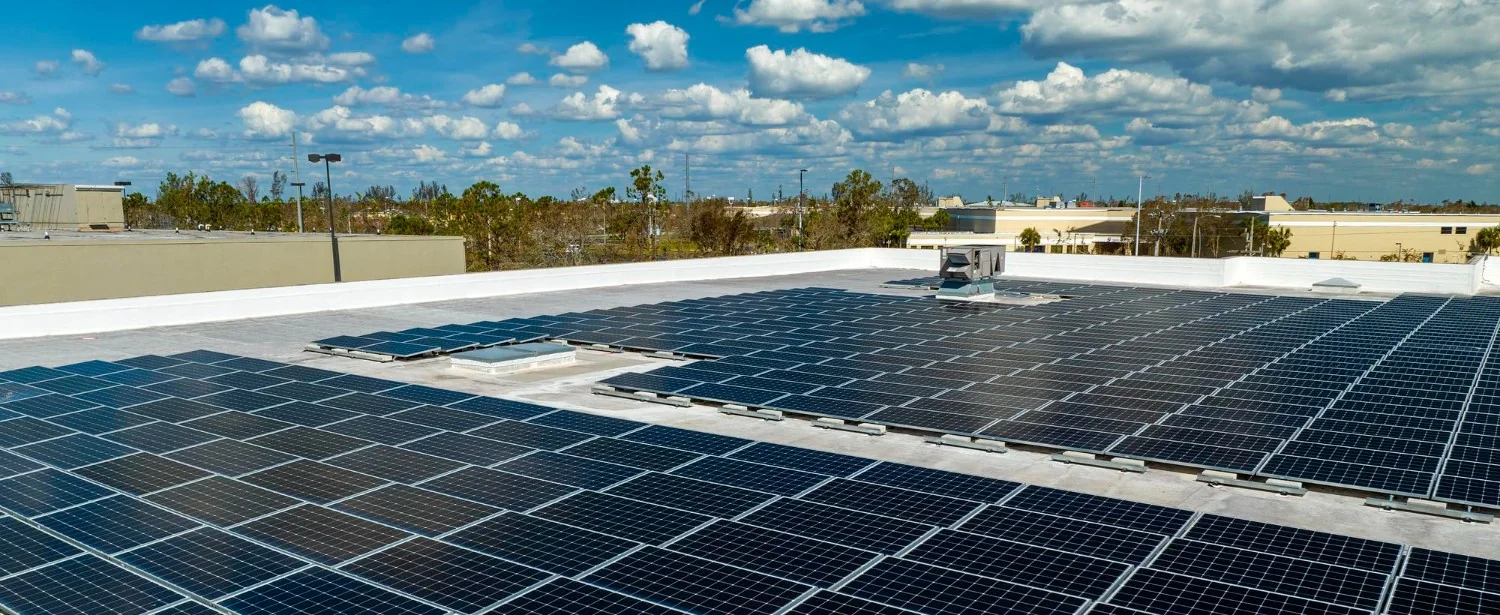
<ul><li><i>India’s rooftop solar capacity reached 30.7 GW in July 2026, increasing the need for better grid management and flexibility.</i></li><li><i>Kerala and Maharashtra are exploring battery ener…

• 𝘛𝘩𝘦 𝘌𝘐𝘉 𝘎𝘳𝘰𝘶𝘱 𝘱𝘭𝘢𝘯𝘴 𝘵𝘰 𝘱𝘳𝘰𝘷𝘪𝘥𝘦 𝘢𝘵 𝘭𝘦𝘢𝘴𝘵 €30 𝘣𝘪𝘭𝘭𝘪𝘰𝘯 𝘧𝘰𝘳 𝘤𝘭𝘪𝘮𝘢𝘵𝘦 𝘢𝘥𝘢𝘱𝘵𝘢𝘵𝘪𝘰𝘯 𝘣𝘦𝘵𝘸𝘦𝘦𝘯 2026 𝘢𝘯𝘥 2030. • 𝘛𝘩𝘦 𝘯𝘦𝘸 𝘵𝘢𝘳𝘨𝘦𝘵 𝘥𝘰𝘶𝘣𝘭𝘦𝘴 𝘢𝘥𝘢𝘱𝘵𝘢𝘵𝘪𝘰𝘯 𝘧𝘪𝘯𝘢𝘯𝘤𝘪𝘯𝘨 𝘤𝘰𝘮𝘱𝘢𝘳𝘦𝘥 𝘸𝘪𝘵𝘩 𝘵𝘩𝘦 𝘱𝘳𝘦𝘷𝘪𝘰𝘶𝘴 𝘧𝘪𝘷𝘦-𝘺𝘦𝘢𝘳 𝘱𝘦𝘳𝘪𝘰𝘥. • 𝘍𝘶𝘯𝘥𝘪𝘯𝘨…