

21 April 2026
The Environmental Protection Agency and the US Department of Justice have filed a complaint against the District of Columbia Water and Sewer Authority following a major sewage leak into the Potomac River.
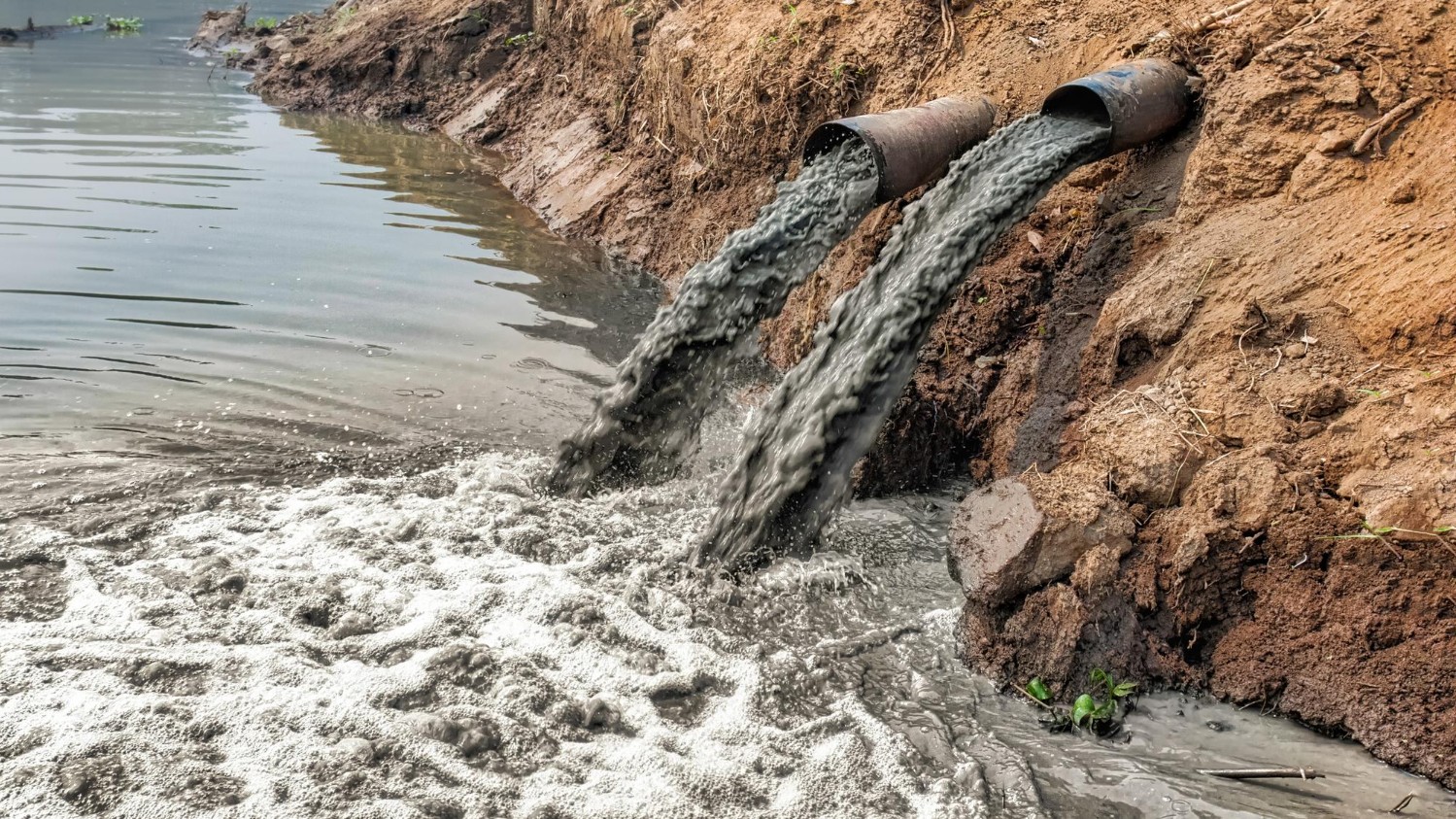
The action comes after a rupture in the Potomac Interceptor sewer line in January released over 200 million gallons of untreated wastewater into the river. Authorities allege the incident violated the Clean Water Act, which governs water pollution and sets quality standards.
Federal agencies are seeking financial penalties alongside mandated infrastructure repairs, including sewer rehabilitation and pollution mitigation measures.
The case adds to mounting legal pressure, as Maryland’s attorney general has also filed a separate lawsuit over the spill. The incident has raised serious concerns about aging infrastructure and the environmental risks posed by large-scale wastewater failures.
The scale of the January release - over 200 million gallons of untreated wastewater - makes this one of the more significant Clean Water Act cases in recent years. Beyond the immediate ecological and public-health impact, the incident illustrates the systemic infrastructure risk that ageing US urban water and wastewater systems now carry. Interceptor lines built decades ago are increasingly stressed by higher-intensity rain events and by population growth in the systems they serve.
Federal enforcement combined with state-level litigation from Maryland's attorney general also signals a shifting regulatory posture. Utilities and their investors should expect enforcement to escalate where insufficient capital investment and deferred maintenance leave systems vulnerable to catastrophic failure - with financial and reputational consequences that far exceed the cost of proactive rehabilitation.
For water and wastewater utilities and their industrial and municipal customers, Cognitud's impact assessment and sustainability due diligence teams help clients evaluate physical-climate-risk exposure, structure capital plans for asset resilience, and disclose progress against TCFD, ISSB S2 and jurisdictional environmental frameworks - turning ageing-infrastructure exposure into a manageable, quantified risk rather than a latent liability.

• 𝘛𝘩𝘦 𝘜𝘈𝘌 𝘍𝘰𝘰𝘥 𝘉𝘢𝘯𝘬 𝘢𝘯𝘥 𝘋𝘶𝘣𝘢𝘪’𝘴 𝘊𝘰𝘮𝘮𝘶𝘯𝘪𝘵𝘺 𝘋𝘦𝘷𝘦𝘭𝘰𝘱𝘮𝘦𝘯𝘵 𝘈𝘶𝘵𝘩𝘰𝘳𝘪𝘵𝘺 (𝘊𝘋𝘈) 𝘩𝘢𝘷𝘦 𝘴𝘪𝘨𝘯𝘦𝘥 𝘢𝘯 𝘢𝘨𝘳𝘦𝘦𝘮𝘦𝘯𝘵 𝘵𝘰 𝘤𝘰𝘭𝘭𝘦𝘤𝘵 𝘢𝘯𝘥 𝘳𝘦𝘥𝘪𝘴𝘵𝘳𝘪𝘣𝘶𝘵𝘦 𝘴𝘶𝘳𝘱𝘭𝘶𝘴 𝘧𝘰𝘰𝘥 𝘧𝘳𝘰𝘮 𝘸𝘦𝘥𝘥𝘪𝘯𝘨𝘴 𝘢𝘯𝘥 𝘦𝘷𝘦𝘯𝘵𝘴. • 𝘛𝘩𝘦 𝘪𝘯𝘪𝘵𝘪𝘢𝘵𝘪𝘷𝘦 𝘸𝘪𝘭𝘭 𝘧𝘰𝘭𝘭𝘰𝘸 𝘢𝘱𝘱𝘳𝘰𝘷𝘦𝘥…

<ul><li><i>India’s rooftop solar capacity reached 30.7 GW in July 2026, increasing the need for better grid management and flexibility.</i></li><li><i>Kerala and Maharashtra are exploring battery ener…

• 𝘛𝘩𝘦 𝘌𝘐𝘉 𝘎𝘳𝘰𝘶𝘱 𝘱𝘭𝘢𝘯𝘴 𝘵𝘰 𝘱𝘳𝘰𝘷𝘪𝘥𝘦 𝘢𝘵 𝘭𝘦𝘢𝘴𝘵 €30 𝘣𝘪𝘭𝘭𝘪𝘰𝘯 𝘧𝘰𝘳 𝘤𝘭𝘪𝘮𝘢𝘵𝘦 𝘢𝘥𝘢𝘱𝘵𝘢𝘵𝘪𝘰𝘯 𝘣𝘦𝘵𝘸𝘦𝘦𝘯 2026 𝘢𝘯𝘥 2030. • 𝘛𝘩𝘦 𝘯𝘦𝘸 𝘵𝘢𝘳𝘨𝘦𝘵 𝘥𝘰𝘶𝘣𝘭𝘦𝘴 𝘢𝘥𝘢𝘱𝘵𝘢𝘵𝘪𝘰𝘯 𝘧𝘪𝘯𝘢𝘯𝘤𝘪𝘯𝘨 𝘤𝘰𝘮𝘱𝘢𝘳𝘦𝘥 𝘸𝘪𝘵𝘩 𝘵𝘩𝘦 𝘱𝘳𝘦𝘷𝘪𝘰𝘶𝘴 𝘧𝘪𝘷𝘦-𝘺𝘦𝘢𝘳 𝘱𝘦𝘳𝘪𝘰𝘥. • 𝘍𝘶𝘯𝘥𝘪𝘯𝘨…