

.jpg)
29 June 2026
A US federal appeals court has dealt a setback to the Trump administration’s efforts to roll back environmental regulations, rejecting the Environmental Protection Agency’s (EPA) request to invalidate stricter air pollution standards for coal-fired power plants and industrial facilities.
The ruling by the US Court of Appeals for the District of Columbia Circuit keeps in place the 2024 national standard limiting fine particulate matter (PM2.5) to an annual average of 9 micrograms per cubic metre. The court dismissed the EPA’s argument that the Biden-era rule should be withdrawn because the agency had allegedly failed to adequately consider compliance costs when adopting the standard.
In its decision, the court concluded that the EPA’s legal arguments lacked merit, refusing both the petition to overturn the rule and the request to vacate it. The outcome preserves one of the most significant federal air quality standards introduced during the previous administration.
The stricter PM2.5 limits were originally adopted to reduce harmful soot pollution, which is linked to respiratory and cardiovascular diseases. According to the EPA’s earlier assessment, the regulation could prevent more than 800,000 asthma symptom cases, around 2,000 hospital visits, and approximately 4,500 premature deaths each year.
The Trump administration had argued that implementing the rule could cost Americans hundreds of millions-or even billions-of dollars annually and claimed the standard was not supported by a comprehensive scientific review. The EPA said it is reviewing the court’s decision.
California officials welcomed the ruling, stating it reinforces decades of scientific evidence linking fine particulate pollution to serious health risks. Environmental advocates also praised the decision, saying it affirms both the scientific and legal basis for stronger soot pollution standards as the US continues to balance public health protections with regulatory reform.
Federal-court rulings that uphold environmental standards despite executive-branch pushback stabilise the compliance environment for utilities and industrial operators, and they reduce short-term liability uncertainty. Our sustainability-due-diligence teams help clients evaluate what shifting court-versus-executive dynamics mean for disclosure narratives.

• 𝘛𝘩𝘦 𝘜𝘈𝘌 𝘍𝘰𝘰𝘥 𝘉𝘢𝘯𝘬 𝘢𝘯𝘥 𝘋𝘶𝘣𝘢𝘪’𝘴 𝘊𝘰𝘮𝘮𝘶𝘯𝘪𝘵𝘺 𝘋𝘦𝘷𝘦𝘭𝘰𝘱𝘮𝘦𝘯𝘵 𝘈𝘶𝘵𝘩𝘰𝘳𝘪𝘵𝘺 (𝘊𝘋𝘈) 𝘩𝘢𝘷𝘦 𝘴𝘪𝘨𝘯𝘦𝘥 𝘢𝘯 𝘢𝘨𝘳𝘦𝘦𝘮𝘦𝘯𝘵 𝘵𝘰 𝘤𝘰𝘭𝘭𝘦𝘤𝘵 𝘢𝘯𝘥 𝘳𝘦𝘥𝘪𝘴𝘵𝘳𝘪𝘣𝘶𝘵𝘦 𝘴𝘶𝘳𝘱𝘭𝘶𝘴 𝘧𝘰𝘰𝘥 𝘧𝘳𝘰𝘮 𝘸𝘦𝘥𝘥𝘪𝘯𝘨𝘴 𝘢𝘯𝘥 𝘦𝘷𝘦𝘯𝘵𝘴. • 𝘛𝘩𝘦 𝘪𝘯𝘪𝘵𝘪𝘢𝘵𝘪𝘷𝘦 𝘸𝘪𝘭𝘭 𝘧𝘰𝘭𝘭𝘰𝘸 𝘢𝘱𝘱𝘳𝘰𝘷𝘦𝘥…
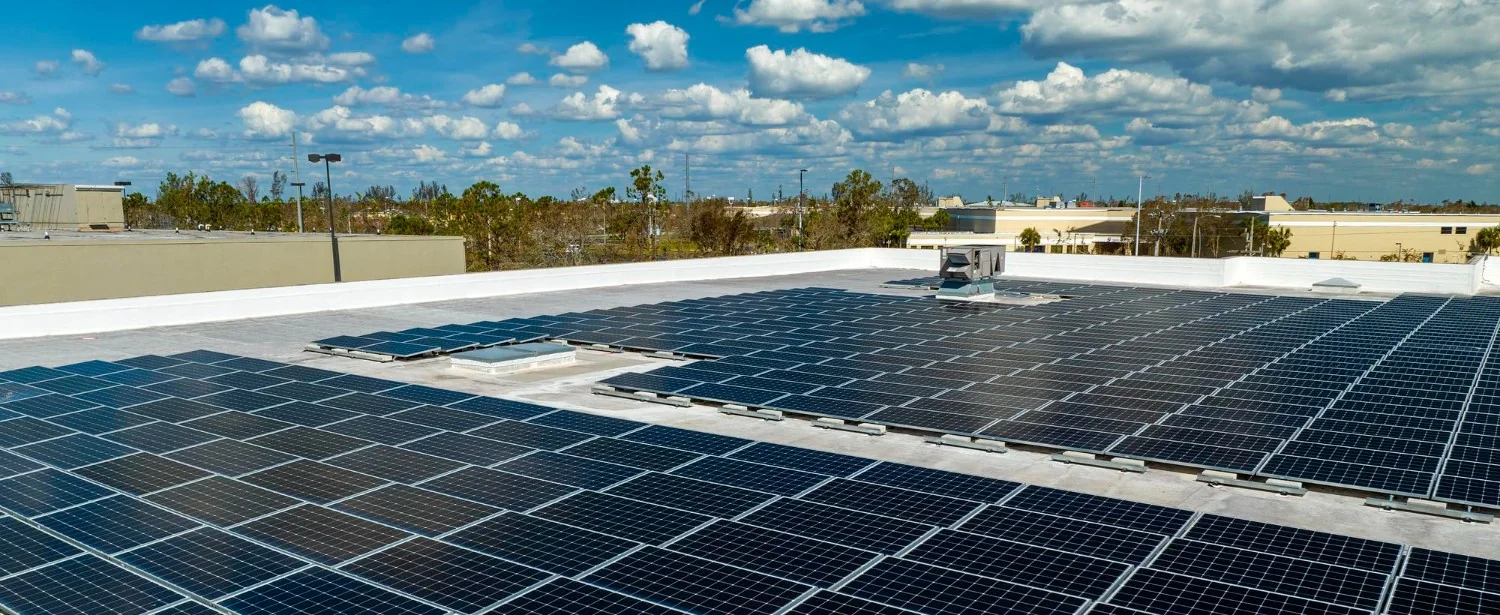
<ul><li><i>India’s rooftop solar capacity reached 30.7 GW in July 2026, increasing the need for better grid management and flexibility.</i></li><li><i>Kerala and Maharashtra are exploring battery ener…

• 𝘛𝘩𝘦 𝘌𝘐𝘉 𝘎𝘳𝘰𝘶𝘱 𝘱𝘭𝘢𝘯𝘴 𝘵𝘰 𝘱𝘳𝘰𝘷𝘪𝘥𝘦 𝘢𝘵 𝘭𝘦𝘢𝘴𝘵 €30 𝘣𝘪𝘭𝘭𝘪𝘰𝘯 𝘧𝘰𝘳 𝘤𝘭𝘪𝘮𝘢𝘵𝘦 𝘢𝘥𝘢𝘱𝘵𝘢𝘵𝘪𝘰𝘯 𝘣𝘦𝘵𝘸𝘦𝘦𝘯 2026 𝘢𝘯𝘥 2030. • 𝘛𝘩𝘦 𝘯𝘦𝘸 𝘵𝘢𝘳𝘨𝘦𝘵 𝘥𝘰𝘶𝘣𝘭𝘦𝘴 𝘢𝘥𝘢𝘱𝘵𝘢𝘵𝘪𝘰𝘯 𝘧𝘪𝘯𝘢𝘯𝘤𝘪𝘯𝘨 𝘤𝘰𝘮𝘱𝘢𝘳𝘦𝘥 𝘸𝘪𝘵𝘩 𝘵𝘩𝘦 𝘱𝘳𝘦𝘷𝘪𝘰𝘶𝘴 𝘧𝘪𝘷𝘦-𝘺𝘦𝘢𝘳 𝘱𝘦𝘳𝘪𝘰𝘥. • 𝘍𝘶𝘯𝘥𝘪𝘯𝘨…