

.jpg)
05 September 2025
U.S. imports of biodiesel and renewable diesel have plunged to their lowest level in more than a decade following changes to federal tax credits, the Energy Information Administration (EIA) reported Thursday. In the first half of 2025, biodiesel imports averaged just 2,000 barrels per day, down sharply from 35,000 bpd a year earlier. Renewable diesel imports fell to 5,000 bpd from 33,000 bpd over the same period.
The decline stems from a new tax credit structure that favors domestic production, ending the $1-per-gallon incentive previously available to imports. The EIA noted that imports now face a significant economic disadvantage, compounded by weak blending margins and uncertainty around regulatory requirements.
While consumption is expected to rise later this year to meet Renewable Fuel Standard mandates, imports will likely stay subdued, with the EIA forecasting 2025 and 2026 levels to be the lowest since 2012.
The shift from an import-friendly to a production-friendly tax credit structure has redirected biofuel economics decisively toward domestic supply. For US refiners, agricultural producers and downstream distributors, the change reduces exposure to import-market volatility but also increases dependence on domestic feedstock availability - with knock-on implications for soy, canola and used-cooking-oil markets globally.
For biofuel exporters in Southeast Asia, Latin America and parts of Europe, the collapse in US import volumes represents a significant demand-side shock. Some volume will find alternative markets in Europe and Asia, but pricing and offtake risk have risen materially. Broader policy uncertainty around the Renewable Fuel Standard and blender-margin economics adds further complexity for producers planning multi-year capital investments.
Cognitud's supply chain and operations and market intelligence teams work with biofuel and feedstock clients - refiners, aggregators, agribusinesses - on scenario modelling for policy-driven demand shifts, sustainability certification aligned with EU RED III and CORSIA, and disclosure frameworks that give lenders and offtakers visibility into the physical and transition risks that now define the sector.

• 𝘛𝘩𝘦 𝘜𝘈𝘌 𝘍𝘰𝘰𝘥 𝘉𝘢𝘯𝘬 𝘢𝘯𝘥 𝘋𝘶𝘣𝘢𝘪’𝘴 𝘊𝘰𝘮𝘮𝘶𝘯𝘪𝘵𝘺 𝘋𝘦𝘷𝘦𝘭𝘰𝘱𝘮𝘦𝘯𝘵 𝘈𝘶𝘵𝘩𝘰𝘳𝘪𝘵𝘺 (𝘊𝘋𝘈) 𝘩𝘢𝘷𝘦 𝘴𝘪𝘨𝘯𝘦𝘥 𝘢𝘯 𝘢𝘨𝘳𝘦𝘦𝘮𝘦𝘯𝘵 𝘵𝘰 𝘤𝘰𝘭𝘭𝘦𝘤𝘵 𝘢𝘯𝘥 𝘳𝘦𝘥𝘪𝘴𝘵𝘳𝘪𝘣𝘶𝘵𝘦 𝘴𝘶𝘳𝘱𝘭𝘶𝘴 𝘧𝘰𝘰𝘥 𝘧𝘳𝘰𝘮 𝘸𝘦𝘥𝘥𝘪𝘯𝘨𝘴 𝘢𝘯𝘥 𝘦𝘷𝘦𝘯𝘵𝘴. • 𝘛𝘩𝘦 𝘪𝘯𝘪𝘵𝘪𝘢𝘵𝘪𝘷𝘦 𝘸𝘪𝘭𝘭 𝘧𝘰𝘭𝘭𝘰𝘸 𝘢𝘱𝘱𝘳𝘰𝘷𝘦𝘥…
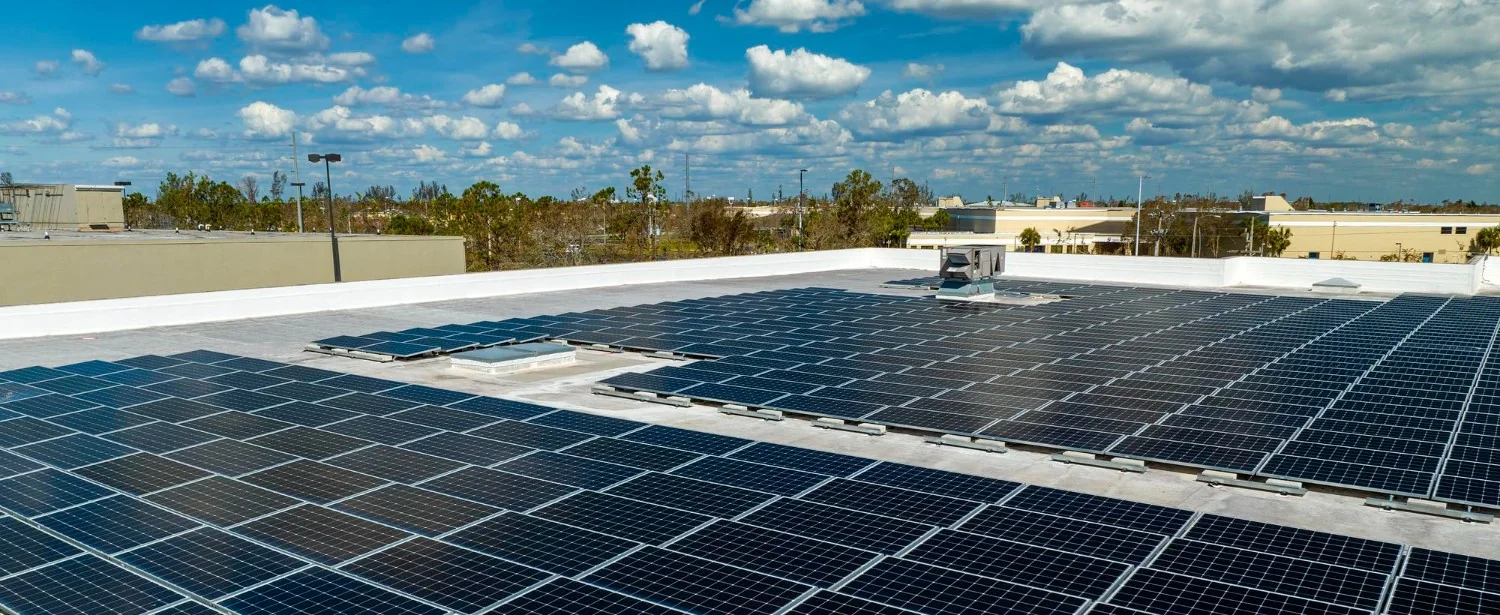
<ul><li><i>India’s rooftop solar capacity reached 30.7 GW in July 2026, increasing the need for better grid management and flexibility.</i></li><li><i>Kerala and Maharashtra are exploring battery ener…
• 𝘛𝘩𝘦 𝘌𝘐𝘉 𝘎𝘳𝘰𝘶𝘱 𝘱𝘭𝘢𝘯𝘴 𝘵𝘰 𝘱𝘳𝘰𝘷𝘪𝘥𝘦 𝘢𝘵 𝘭𝘦𝘢𝘴𝘵 €30 𝘣𝘪𝘭𝘭𝘪𝘰𝘯 𝘧𝘰𝘳 𝘤𝘭𝘪𝘮𝘢𝘵𝘦 𝘢𝘥𝘢𝘱𝘵𝘢𝘵𝘪𝘰𝘯 𝘣𝘦𝘵𝘸𝘦𝘦𝘯 2026 𝘢𝘯𝘥 2030. • 𝘛𝘩𝘦 𝘯𝘦𝘸 𝘵𝘢𝘳𝘨𝘦𝘵 𝘥𝘰𝘶𝘣𝘭𝘦𝘴 𝘢𝘥𝘢𝘱𝘵𝘢𝘵𝘪𝘰𝘯 𝘧𝘪𝘯𝘢𝘯𝘤𝘪𝘯𝘨 𝘤𝘰𝘮𝘱𝘢𝘳𝘦𝘥 𝘸𝘪𝘵𝘩 𝘵𝘩𝘦 𝘱𝘳𝘦𝘷𝘪𝘰𝘶𝘴 𝘧𝘪𝘷𝘦-𝘺𝘦𝘢𝘳 𝘱𝘦𝘳𝘪𝘰𝘥. • 𝘍𝘶𝘯𝘥𝘪𝘯𝘨…