


04 September 2025
The United Nations has urged nearly 200 countries to submit updated and more ambitious Nationally Determined Contributions (NDCs) by the end of September 2025. These plans, which outline each nation’s roadmap to cutting emissions by 2035, are essential for assessing global climate progress in advance of the COP30 summit in Brazil in November.
Despite commitments under the 2015 Paris Agreement, most countries have yet to comply. The UN’s climate chief, Simon Stiell, emphasized in a letter that NDCs are “the cornerstone of humanity's fight against the global climate crisis,” highlighting their role as catalysts for both climate action and economic opportunity.
Major emitters stand out-China has committed to revising its targets this autumn, while internal EU disagreements are delaying approval of its 2040 plan, which in turn affects 2035 ambition. The UN’s review will help determine whether global efforts are sufficient to limit warming to safe levels amid escalating climate impacts.
The September 2025 NDC submission deadline was intended to give the UN Framework Convention on Climate Change (UNFCCC) time to synthesise updated national commitments before COP30.
Widespread non-compliance - with even the EU's 2040 pathway stuck in internal negotiation - signals the political difficulty of raising ambition in the current environment.
Simon Stiell's framing of NDCs as "the cornerstone of humanity's fight against the global climate crisis" reflects both their importance and the scale of the gap between rhetoric and delivery.
The China commitment to revise targets in autumn is potentially the single most important variable in the pre-COP dynamics. Chinese emissions trajectory shapes the plausibility of global 1.5°C alignment more than any other single national pathway. Corporate and investor strategy is increasingly sensitive to how the major emitters position ahead of and during COP30 itself.
For corporates with material transnational operations, financial institutions with climate-linked lending books, and investors with sustainability-aligned portfolios, Cognitud's climate action, market intelligence and responsible investment teams help clients evaluate NDC-trajectory implications for business planning, structure internal transition strategies robust across policy scenarios, and prepare disclosures aligned with TCFD, ISSB and jurisdiction-specific requirements.

• 𝘛𝘩𝘦 𝘜𝘈𝘌 𝘍𝘰𝘰𝘥 𝘉𝘢𝘯𝘬 𝘢𝘯𝘥 𝘋𝘶𝘣𝘢𝘪’𝘴 𝘊𝘰𝘮𝘮𝘶𝘯𝘪𝘵𝘺 𝘋𝘦𝘷𝘦𝘭𝘰𝘱𝘮𝘦𝘯𝘵 𝘈𝘶𝘵𝘩𝘰𝘳𝘪𝘵𝘺 (𝘊𝘋𝘈) 𝘩𝘢𝘷𝘦 𝘴𝘪𝘨𝘯𝘦𝘥 𝘢𝘯 𝘢𝘨𝘳𝘦𝘦𝘮𝘦𝘯𝘵 𝘵𝘰 𝘤𝘰𝘭𝘭𝘦𝘤𝘵 𝘢𝘯𝘥 𝘳𝘦𝘥𝘪𝘴𝘵𝘳𝘪𝘣𝘶𝘵𝘦 𝘴𝘶𝘳𝘱𝘭𝘶𝘴 𝘧𝘰𝘰𝘥 𝘧𝘳𝘰𝘮 𝘸𝘦𝘥𝘥𝘪𝘯𝘨𝘴 𝘢𝘯𝘥 𝘦𝘷𝘦𝘯𝘵𝘴. • 𝘛𝘩𝘦 𝘪𝘯𝘪𝘵𝘪𝘢𝘵𝘪𝘷𝘦 𝘸𝘪𝘭𝘭 𝘧𝘰𝘭𝘭𝘰𝘸 𝘢𝘱𝘱𝘳𝘰𝘷𝘦𝘥…
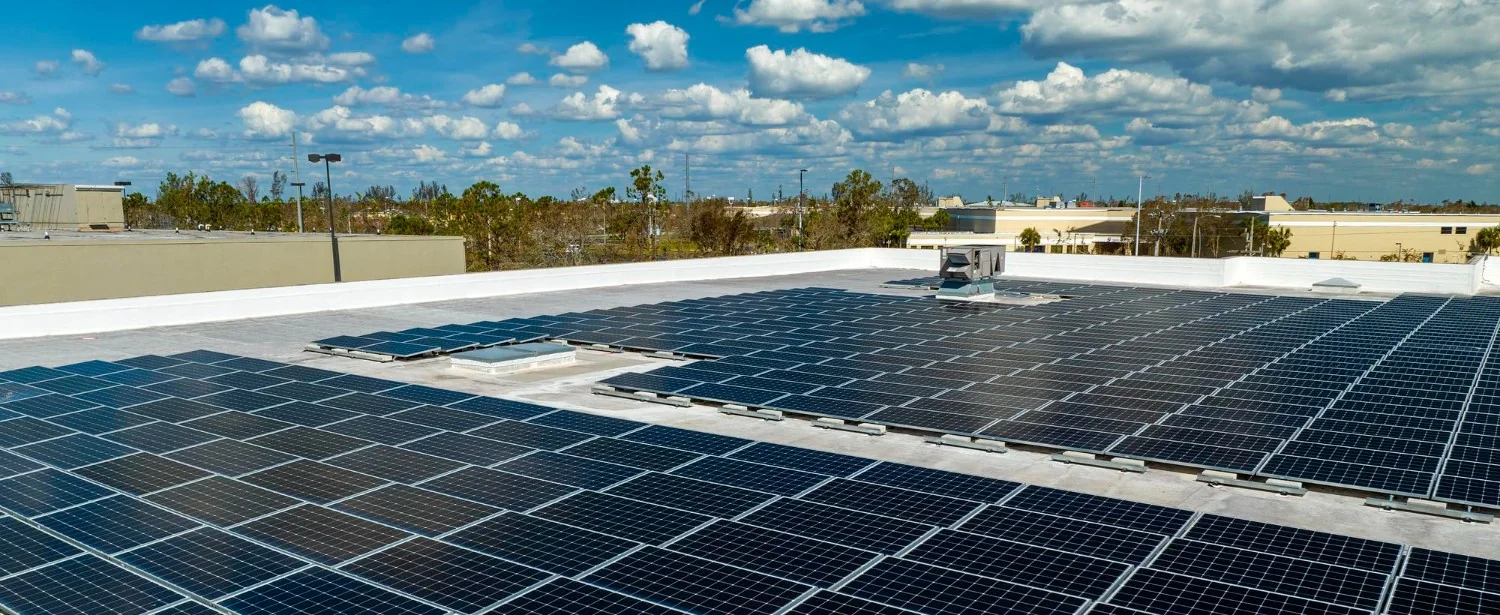
<ul><li><i>India’s rooftop solar capacity reached 30.7 GW in July 2026, increasing the need for better grid management and flexibility.</i></li><li><i>Kerala and Maharashtra are exploring battery ener…

• 𝘛𝘩𝘦 𝘌𝘐𝘉 𝘎𝘳𝘰𝘶𝘱 𝘱𝘭𝘢𝘯𝘴 𝘵𝘰 𝘱𝘳𝘰𝘷𝘪𝘥𝘦 𝘢𝘵 𝘭𝘦𝘢𝘴𝘵 €30 𝘣𝘪𝘭𝘭𝘪𝘰𝘯 𝘧𝘰𝘳 𝘤𝘭𝘪𝘮𝘢𝘵𝘦 𝘢𝘥𝘢𝘱𝘵𝘢𝘵𝘪𝘰𝘯 𝘣𝘦𝘵𝘸𝘦𝘦𝘯 2026 𝘢𝘯𝘥 2030. • 𝘛𝘩𝘦 𝘯𝘦𝘸 𝘵𝘢𝘳𝘨𝘦𝘵 𝘥𝘰𝘶𝘣𝘭𝘦𝘴 𝘢𝘥𝘢𝘱𝘵𝘢𝘵𝘪𝘰𝘯 𝘧𝘪𝘯𝘢𝘯𝘤𝘪𝘯𝘨 𝘤𝘰𝘮𝘱𝘢𝘳𝘦𝘥 𝘸𝘪𝘵𝘩 𝘵𝘩𝘦 𝘱𝘳𝘦𝘷𝘪𝘰𝘶𝘴 𝘧𝘪𝘷𝘦-𝘺𝘦𝘢𝘳 𝘱𝘦𝘳𝘪𝘰𝘥. • 𝘍𝘶𝘯𝘥𝘪𝘯𝘨…