


25 March 2026
Ukraine has presented a €5.4 billion energy sustainability and resilience plan to the European Union, aimed at strengthening critical infrastructure and ensuring long-term energy security amid ongoing disruptions caused by the war. The proposal was outlined during discussions with EU partners as part of broader cooperation on energy system recovery and modernisation.
The plan focuses on four key areas: protecting critical infrastructure, expanding distributed energy generation, ensuring reliable water supply systems and maintaining stable heat supply networks. Officials emphasised that the initiative is designed not only to address immediate challenges but also to build a more flexible and decentralised energy system for the future.
A major component of the strategy is the development of distributed and resilient energy systems, which can reduce vulnerability to large-scale disruptions and improve overall system stability. The approach reflects lessons learned from sustained attacks on Ukraine’s energy infrastructure and aligns with broader European efforts to enhance energy security and sustainability.
Ukrainian officials highlighted that the proposed model could serve as a blueprint for resilient energy systems across Europe, particularly in the context of increasing geopolitical risks and the transition toward cleaner energy. The plan is expected to rely on international support and investment, including potential funding from EU partners.
Ukraine's €5.4 billion energy-resilience plan focused on infrastructure protection, distributed generation, water systems and heat networks captures the multi-dimensional resilience architecture that war-affected energy systems require. Distributed and decentralised systems reduce single-point-of-failure vulnerability that centralised systems present.
The blueprint-for-Europe framing is analytically consequential. Ukraine's forced-experience with distributed-resilient energy design under sustained attack conditions has generated lessons applicable to broader European energy-security planning as geopolitical risks rise. Decentralised generation architecture combines climate-and-security benefits in ways that centralised architectures cannot.
For grid-and-distributed-energy technology providers, energy-storage integrators, water-utility technology suppliers, financial institutions and consultancies with European energy-resilience exposure, Cognitud's energy transition, climate action and impact assessment teams help clients evaluate Ukraine-recovery-linked and broader European-resilience opportunities, structure long-term commercial arrangements aligned with distributed-resilience priorities, and prepare disclosures aligned with EU Taxonomy, ISSB and jurisdictional energy-security frameworks.

• 𝘛𝘩𝘦 𝘜𝘈𝘌 𝘍𝘰𝘰𝘥 𝘉𝘢𝘯𝘬 𝘢𝘯𝘥 𝘋𝘶𝘣𝘢𝘪’𝘴 𝘊𝘰𝘮𝘮𝘶𝘯𝘪𝘵𝘺 𝘋𝘦𝘷𝘦𝘭𝘰𝘱𝘮𝘦𝘯𝘵 𝘈𝘶𝘵𝘩𝘰𝘳𝘪𝘵𝘺 (𝘊𝘋𝘈) 𝘩𝘢𝘷𝘦 𝘴𝘪𝘨𝘯𝘦𝘥 𝘢𝘯 𝘢𝘨𝘳𝘦𝘦𝘮𝘦𝘯𝘵 𝘵𝘰 𝘤𝘰𝘭𝘭𝘦𝘤𝘵 𝘢𝘯𝘥 𝘳𝘦𝘥𝘪𝘴𝘵𝘳𝘪𝘣𝘶𝘵𝘦 𝘴𝘶𝘳𝘱𝘭𝘶𝘴 𝘧𝘰𝘰𝘥 𝘧𝘳𝘰𝘮 𝘸𝘦𝘥𝘥𝘪𝘯𝘨𝘴 𝘢𝘯𝘥 𝘦𝘷𝘦𝘯𝘵𝘴. • 𝘛𝘩𝘦 𝘪𝘯𝘪𝘵𝘪𝘢𝘵𝘪𝘷𝘦 𝘸𝘪𝘭𝘭 𝘧𝘰𝘭𝘭𝘰𝘸 𝘢𝘱𝘱𝘳𝘰𝘷𝘦𝘥…
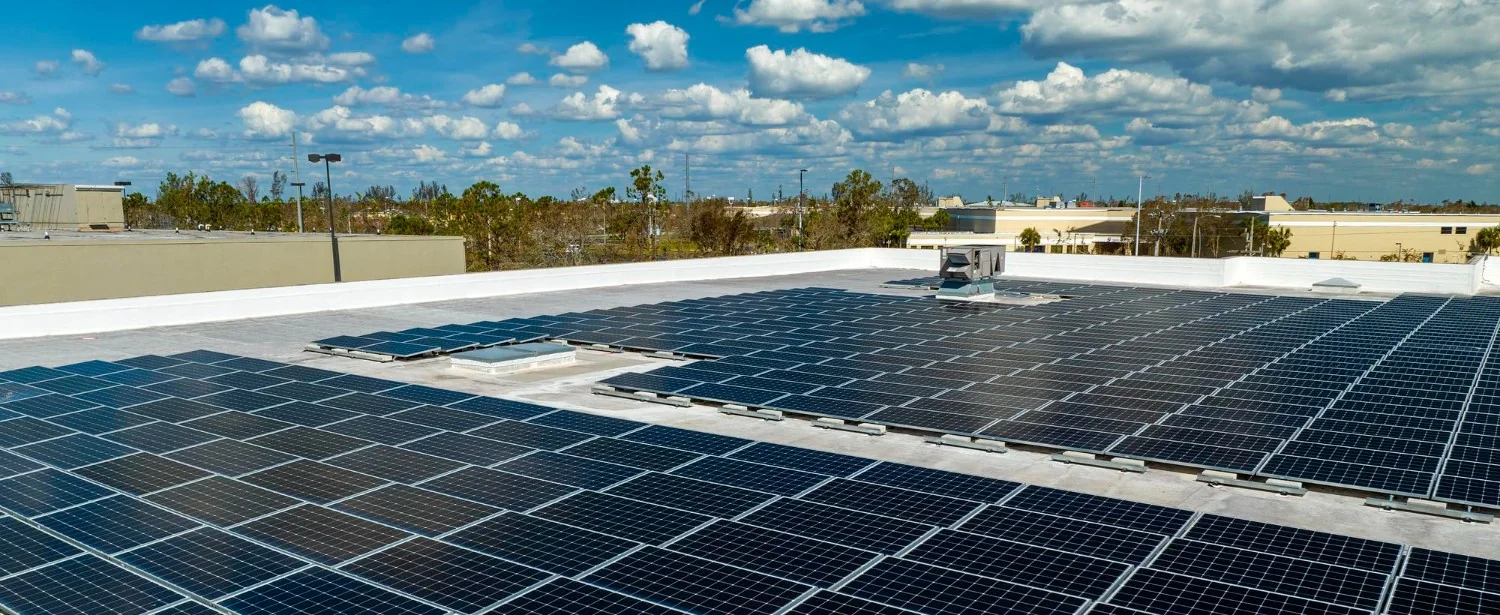
<ul><li><i>India’s rooftop solar capacity reached 30.7 GW in July 2026, increasing the need for better grid management and flexibility.</i></li><li><i>Kerala and Maharashtra are exploring battery ener…
• 𝘛𝘩𝘦 𝘌𝘐𝘉 𝘎𝘳𝘰𝘶𝘱 𝘱𝘭𝘢𝘯𝘴 𝘵𝘰 𝘱𝘳𝘰𝘷𝘪𝘥𝘦 𝘢𝘵 𝘭𝘦𝘢𝘴𝘵 €30 𝘣𝘪𝘭𝘭𝘪𝘰𝘯 𝘧𝘰𝘳 𝘤𝘭𝘪𝘮𝘢𝘵𝘦 𝘢𝘥𝘢𝘱𝘵𝘢𝘵𝘪𝘰𝘯 𝘣𝘦𝘵𝘸𝘦𝘦𝘯 2026 𝘢𝘯𝘥 2030. • 𝘛𝘩𝘦 𝘯𝘦𝘸 𝘵𝘢𝘳𝘨𝘦𝘵 𝘥𝘰𝘶𝘣𝘭𝘦𝘴 𝘢𝘥𝘢𝘱𝘵𝘢𝘵𝘪𝘰𝘯 𝘧𝘪𝘯𝘢𝘯𝘤𝘪𝘯𝘨 𝘤𝘰𝘮𝘱𝘢𝘳𝘦𝘥 𝘸𝘪𝘵𝘩 𝘵𝘩𝘦 𝘱𝘳𝘦𝘷𝘪𝘰𝘶𝘴 𝘧𝘪𝘷𝘦-𝘺𝘦𝘢𝘳 𝘱𝘦𝘳𝘪𝘰𝘥. • 𝘍𝘶𝘯𝘥𝘪𝘯𝘨…