


18 November 2025
The United Arab Emirates has introduced a landmark requirement for airlines to use sustainable aviation fuel (SAF), marking one of the region’s strongest policy steps toward reducing aviation emissions. The mandate underscores national efforts to transition air travel toward cleaner energy sources and reinforces long-term climate goals.
To support the rollout, the UAE is expanding fuel-production capacity, including new facilities that will convert waste oils and other inputs into SAF. These initiatives are intended to ensure that sufficient supply is available as demand increases under the new policy.
Authorities acknowledge that SAF remains more expensive than conventional jet fuel, which could influence operational costs for airlines. However, the government views the mandate as necessary to accelerate decarbonization, drive technological progress and position the UAE at the forefront of global aviation sustainability.
The new requirement is expected to encourage neighbouring countries and international aviation regulators to adopt similar measures, potentially speeding up global efforts to cut emissions across the aviation value chain.
Mandatory SAF use represents one of the strongest available policy levers to accelerate aviation decarbonisation. Voluntary adoption has been limited by SAF's cost premium versus conventional jet fuel and by supply availability constraints. Mandating use - combined with parallel investment in SAF production capacity - addresses both demand and supply constraints simultaneously.
The UAE's move signals to other Gulf and international aviation jurisdictions that mandatory SAF policies are viable and can potentially trigger broader adoption.
Given the international nature of aviation, coordinated mandates across major aviation hubs would accelerate the market development that unlocks the scale-driven cost reductions needed for SAF to become mainstream. The UAE's SAF production capacity build-out - including waste-oil conversion facilities - complements the demand-side mandate.
For airlines, aviation fuel suppliers, corporate travel buyers and their financial and legal advisors, Cognitud's climate action, energy transition and supply chain and operations teams help clients evaluate exposure to expanding SAF mandates, structure fuel-procurement strategies that reflect both compliance requirements and voluntary decarbonisation commitments, and prepare disclosures aligned with IATA, CORSIA, CDP Transport and jurisdictional aviation-sustainability frameworks that increasingly influence airline and travel-industry positioning globally.

• 𝘛𝘩𝘦 𝘜𝘈𝘌 𝘍𝘰𝘰𝘥 𝘉𝘢𝘯𝘬 𝘢𝘯𝘥 𝘋𝘶𝘣𝘢𝘪’𝘴 𝘊𝘰𝘮𝘮𝘶𝘯𝘪𝘵𝘺 𝘋𝘦𝘷𝘦𝘭𝘰𝘱𝘮𝘦𝘯𝘵 𝘈𝘶𝘵𝘩𝘰𝘳𝘪𝘵𝘺 (𝘊𝘋𝘈) 𝘩𝘢𝘷𝘦 𝘴𝘪𝘨𝘯𝘦𝘥 𝘢𝘯 𝘢𝘨𝘳𝘦𝘦𝘮𝘦𝘯𝘵 𝘵𝘰 𝘤𝘰𝘭𝘭𝘦𝘤𝘵 𝘢𝘯𝘥 𝘳𝘦𝘥𝘪𝘴𝘵𝘳𝘪𝘣𝘶𝘵𝘦 𝘴𝘶𝘳𝘱𝘭𝘶𝘴 𝘧𝘰𝘰𝘥 𝘧𝘳𝘰𝘮 𝘸𝘦𝘥𝘥𝘪𝘯𝘨𝘴 𝘢𝘯𝘥 𝘦𝘷𝘦𝘯𝘵𝘴. • 𝘛𝘩𝘦 𝘪𝘯𝘪𝘵𝘪𝘢𝘵𝘪𝘷𝘦 𝘸𝘪𝘭𝘭 𝘧𝘰𝘭𝘭𝘰𝘸 𝘢𝘱𝘱𝘳𝘰𝘷𝘦𝘥…
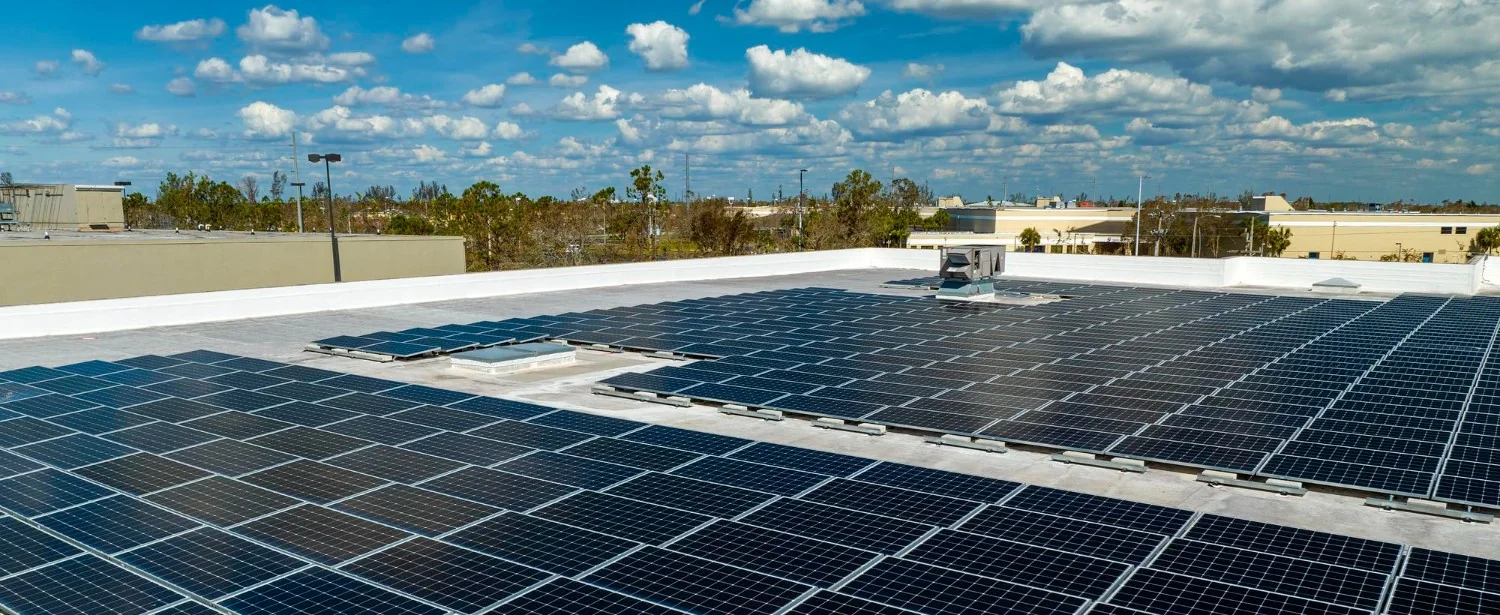
<ul><li><i>India’s rooftop solar capacity reached 30.7 GW in July 2026, increasing the need for better grid management and flexibility.</i></li><li><i>Kerala and Maharashtra are exploring battery ener…

• 𝘛𝘩𝘦 𝘌𝘐𝘉 𝘎𝘳𝘰𝘶𝘱 𝘱𝘭𝘢𝘯𝘴 𝘵𝘰 𝘱𝘳𝘰𝘷𝘪𝘥𝘦 𝘢𝘵 𝘭𝘦𝘢𝘴𝘵 €30 𝘣𝘪𝘭𝘭𝘪𝘰𝘯 𝘧𝘰𝘳 𝘤𝘭𝘪𝘮𝘢𝘵𝘦 𝘢𝘥𝘢𝘱𝘵𝘢𝘵𝘪𝘰𝘯 𝘣𝘦𝘵𝘸𝘦𝘦𝘯 2026 𝘢𝘯𝘥 2030. • 𝘛𝘩𝘦 𝘯𝘦𝘸 𝘵𝘢𝘳𝘨𝘦𝘵 𝘥𝘰𝘶𝘣𝘭𝘦𝘴 𝘢𝘥𝘢𝘱𝘵𝘢𝘵𝘪𝘰𝘯 𝘧𝘪𝘯𝘢𝘯𝘤𝘪𝘯𝘨 𝘤𝘰𝘮𝘱𝘢𝘳𝘦𝘥 𝘸𝘪𝘵𝘩 𝘵𝘩𝘦 𝘱𝘳𝘦𝘷𝘪𝘰𝘶𝘴 𝘧𝘪𝘷𝘦-𝘺𝘦𝘢𝘳 𝘱𝘦𝘳𝘪𝘰𝘥. • 𝘍𝘶𝘯𝘥𝘪𝘯𝘨…