

28 April 2026
The UAE has launched the National Agricultural Initiative for the Adoption of Climate-Smart Crops, a major government-led programme aimed at strengthening food security, reducing import dependence, and building a more climate-resilient agricultural system.
The initiative was announced during the Emirates Agriculture Conference and Exhibition 2026 in Al Ain and is being led by the Ministry of Climate Change and Environment in collaboration with the International Center for Biosaline Agriculture (ICBA).
The programme focuses on promoting crops that can thrive in the UAE’s harsh climate while using significantly less water. Key crops include millet (such as foxtail and pearl millet) and sorghum, which require up to 50% less water than conventional grains and can maintain strong productivity even in temperatures above 45°C. These crops are expected to provide practical solutions to water scarcity while supporting stable food and feed production.
Officials said the initiative is designed to diversify the national food basket, enhance self-sufficiency, and transform scientific research into practical field solutions for farmers. It also aims to equip Emirati farmers with the knowledge and tools needed to adopt climate-smart farming methods that improve productivity while preserving natural resources, particularly water.
The initiative aligns with the UAE’s National Food Security Strategy 2051 and reflects the country’s broader sustainability agenda of integrating climate adaptation into agriculture. By prioritising drought-resistant and salt-tolerant crops, the UAE aims to create a more resilient local food production system while positioning itself as a global model for climate-adaptive agriculture in arid environments.
Climate-smart crops are becoming a real food-security play across arid geographies, and the UAE initiative signals where Gulf agri-food investment will flow over the coming decade. Our supply-chain-and-operations and nature-based-solutions teams help clients evaluate what climate-smart agriculture means for Scope 3 sourcing and food-supply resilience.

• 𝘛𝘩𝘦 𝘜𝘈𝘌 𝘍𝘰𝘰𝘥 𝘉𝘢𝘯𝘬 𝘢𝘯𝘥 𝘋𝘶𝘣𝘢𝘪’𝘴 𝘊𝘰𝘮𝘮𝘶𝘯𝘪𝘵𝘺 𝘋𝘦𝘷𝘦𝘭𝘰𝘱𝘮𝘦𝘯𝘵 𝘈𝘶𝘵𝘩𝘰𝘳𝘪𝘵𝘺 (𝘊𝘋𝘈) 𝘩𝘢𝘷𝘦 𝘴𝘪𝘨𝘯𝘦𝘥 𝘢𝘯 𝘢𝘨𝘳𝘦𝘦𝘮𝘦𝘯𝘵 𝘵𝘰 𝘤𝘰𝘭𝘭𝘦𝘤𝘵 𝘢𝘯𝘥 𝘳𝘦𝘥𝘪𝘴𝘵𝘳𝘪𝘣𝘶𝘵𝘦 𝘴𝘶𝘳𝘱𝘭𝘶𝘴 𝘧𝘰𝘰𝘥 𝘧𝘳𝘰𝘮 𝘸𝘦𝘥𝘥𝘪𝘯𝘨𝘴 𝘢𝘯𝘥 𝘦𝘷𝘦𝘯𝘵𝘴. • 𝘛𝘩𝘦 𝘪𝘯𝘪𝘵𝘪𝘢𝘵𝘪𝘷𝘦 𝘸𝘪𝘭𝘭 𝘧𝘰𝘭𝘭𝘰𝘸 𝘢𝘱𝘱𝘳𝘰𝘷𝘦𝘥…
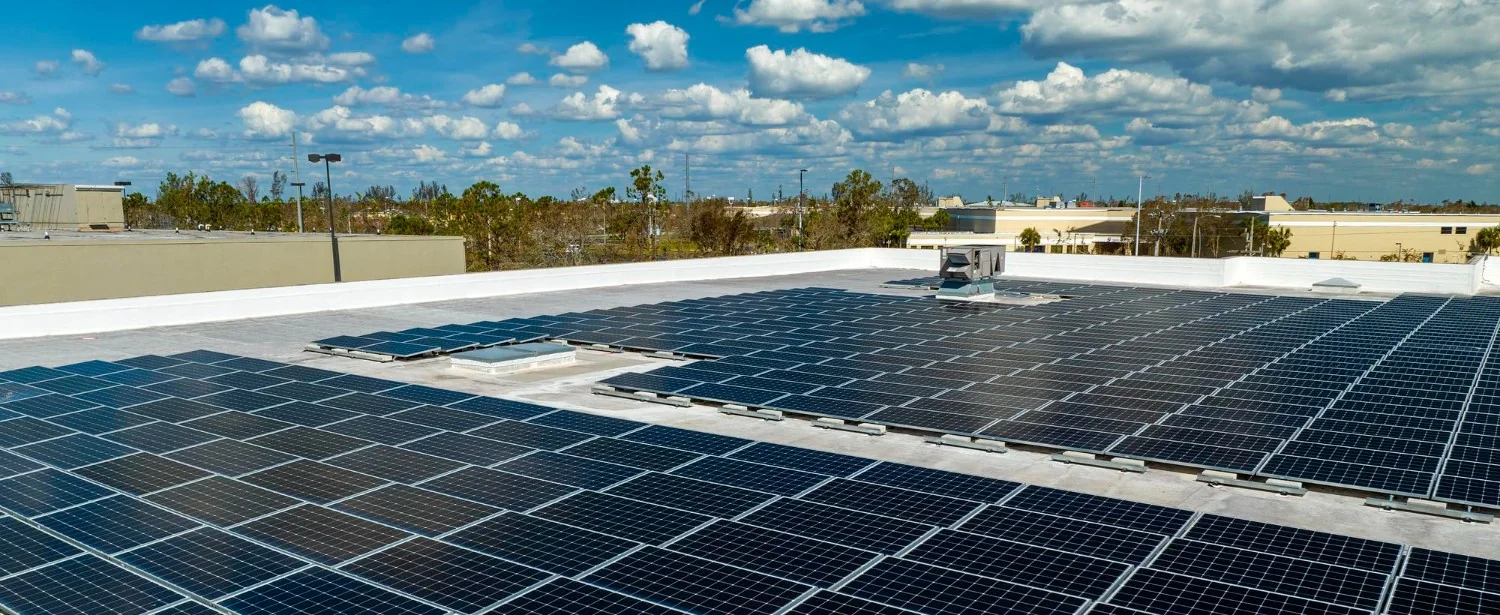
<ul><li><i>India’s rooftop solar capacity reached 30.7 GW in July 2026, increasing the need for better grid management and flexibility.</i></li><li><i>Kerala and Maharashtra are exploring battery ener…

• 𝘛𝘩𝘦 𝘌𝘐𝘉 𝘎𝘳𝘰𝘶𝘱 𝘱𝘭𝘢𝘯𝘴 𝘵𝘰 𝘱𝘳𝘰𝘷𝘪𝘥𝘦 𝘢𝘵 𝘭𝘦𝘢𝘴𝘵 €30 𝘣𝘪𝘭𝘭𝘪𝘰𝘯 𝘧𝘰𝘳 𝘤𝘭𝘪𝘮𝘢𝘵𝘦 𝘢𝘥𝘢𝘱𝘵𝘢𝘵𝘪𝘰𝘯 𝘣𝘦𝘵𝘸𝘦𝘦𝘯 2026 𝘢𝘯𝘥 2030. • 𝘛𝘩𝘦 𝘯𝘦𝘸 𝘵𝘢𝘳𝘨𝘦𝘵 𝘥𝘰𝘶𝘣𝘭𝘦𝘴 𝘢𝘥𝘢𝘱𝘵𝘢𝘵𝘪𝘰𝘯 𝘧𝘪𝘯𝘢𝘯𝘤𝘪𝘯𝘨 𝘤𝘰𝘮𝘱𝘢𝘳𝘦𝘥 𝘸𝘪𝘵𝘩 𝘵𝘩𝘦 𝘱𝘳𝘦𝘷𝘪𝘰𝘶𝘴 𝘧𝘪𝘷𝘦-𝘺𝘦𝘢𝘳 𝘱𝘦𝘳𝘪𝘰𝘥. • 𝘍𝘶𝘯𝘥𝘪𝘯𝘨…