

01 July 2025
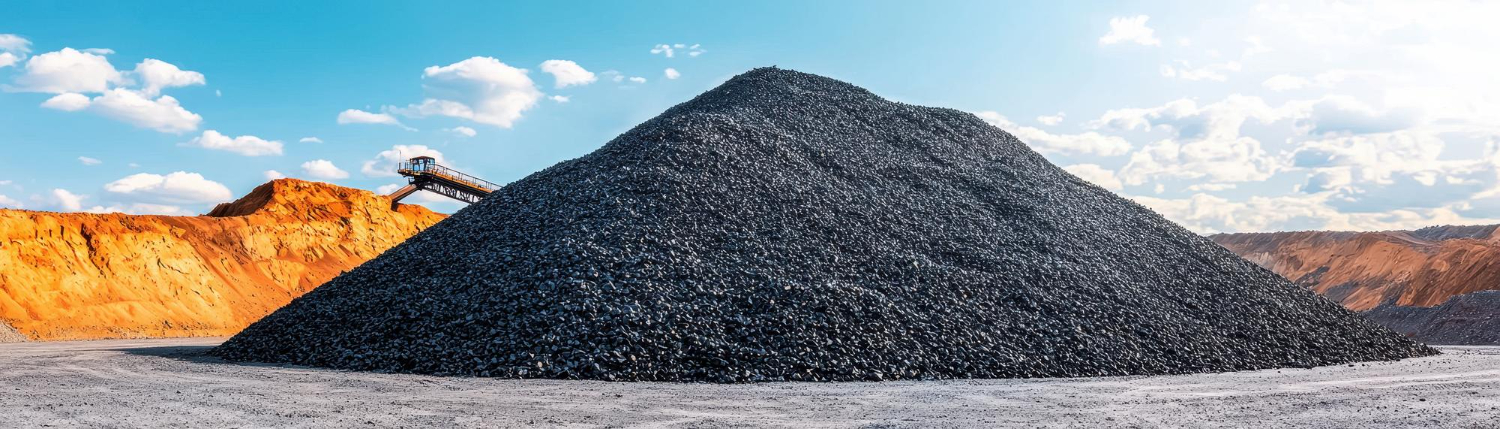
A controversial provision in the latest version of President Donald Trump’s “One Big Beautiful Bill” offers a generous tax credit for metallurgical (met) coal, a type of coal primarily used in steel production.
This provision, inserted in the updated Senate version of the bill, allows met coal to qualify for the Advanced Manufacturing Production Tax Credit, a benefit traditionally reserved for critical minerals used in advanced technologies and national defense systems.
Under this new classification, producers of met coal would receive a 2.5% tax credit on production costs, a subsidy that analysts estimate could be worth $300 million over 10 years.
In April, Trump signed executive orders instructing Energy Secretary Chris Wright, a former fracking CEO, to determine whether met coal should be classified as a critical mineral. By May, Wright had made that designation official, paving the way for met coal producers to tap into federal incentives.
Critics argue that extending such benefits to met coal, much of which is exported, particularly to countries like China, runs counter to U.S. climate objectives and industrial competitiveness.
Sonia Aggarwal, CEO of Energy Innovation, called the provision “insane,” warning that it would “send hundreds of millions of taxpayer dollars to China to subsidize dirty steel.” Her colleague Robbie Orvis added that the subsidy could undermine the competitiveness of U.S.-produced steel by supporting foreign production with cheaper, U.S.-backed raw materials.
The controversy also stems from the decision to label met coal as a “critical mineral,” a classification typically applied to resources vital to national defense and technological innovation. Critics argue this redefinition could allow the administration to invoke emergency powers in the future to boost coal production, despite environmental and economic implications.
Proponents of the subsidy, however, say it will strengthen U.S. industrial capacity and preserve jobs in coal-producing regions. Conor Bernstein, a spokesperson for the National Mining Association, stated that the bill “supports U.S. jobs, manufacturing, and the economy,” emphasizing that met coal is crucial for domestic steel production. He argued that the incentives could help stabilize the sector, which has seen declining employment amid economic pressures.
The economic impact of this tax break is particularly significant for West Virginia, one of the largest met coal-producing states. The Metallurgical Coal Producers Association of West Virginia has not commented officially, but its president, Ben Beakes, previously attributed recent layoffs affecting hundreds of miners to inflation and global market fluctuations.
The subsidy has sparked intense debate not only for its environmental implications, given coal’s carbon intensity, but also for its potential geopolitical repercussions. By incentivizing the export of met coal to China, the bill could inadvertently strengthen China’s steel industry, which competes directly with U.S. manufacturers.
As the bill moves toward a Senate vote, it remains unclear whether this provision will survive final negotiations. Still, its inclusion has already ignited fierce discourse over the role of fossil fuels in America’s industrial strategy and climate policy.
For steel exporters exposed to CBAM, met-coal subsidies land as a competitiveness signal - one that reshapes both trade-policy modelling and how green-steel narratives get positioned to investors. It's the kind of policy shift where our supply-chain-and-operations and market-intelligence teams spend a lot of time these days, helping clients read the second-order effects before they show up in earnings calls.

• 𝘛𝘩𝘦 𝘜𝘈𝘌 𝘍𝘰𝘰𝘥 𝘉𝘢𝘯𝘬 𝘢𝘯𝘥 𝘋𝘶𝘣𝘢𝘪’𝘴 𝘊𝘰𝘮𝘮𝘶𝘯𝘪𝘵𝘺 𝘋𝘦𝘷𝘦𝘭𝘰𝘱𝘮𝘦𝘯𝘵 𝘈𝘶𝘵𝘩𝘰𝘳𝘪𝘵𝘺 (𝘊𝘋𝘈) 𝘩𝘢𝘷𝘦 𝘴𝘪𝘨𝘯𝘦𝘥 𝘢𝘯 𝘢𝘨𝘳𝘦𝘦𝘮𝘦𝘯𝘵 𝘵𝘰 𝘤𝘰𝘭𝘭𝘦𝘤𝘵 𝘢𝘯𝘥 𝘳𝘦𝘥𝘪𝘴𝘵𝘳𝘪𝘣𝘶𝘵𝘦 𝘴𝘶𝘳𝘱𝘭𝘶𝘴 𝘧𝘰𝘰𝘥 𝘧𝘳𝘰𝘮 𝘸𝘦𝘥𝘥𝘪𝘯𝘨𝘴 𝘢𝘯𝘥 𝘦𝘷𝘦𝘯𝘵𝘴. • 𝘛𝘩𝘦 𝘪𝘯𝘪𝘵𝘪𝘢𝘵𝘪𝘷𝘦 𝘸𝘪𝘭𝘭 𝘧𝘰𝘭𝘭𝘰𝘸 𝘢𝘱𝘱𝘳𝘰𝘷𝘦𝘥…
<ul><li><i>India’s rooftop solar capacity reached 30.7 GW in July 2026, increasing the need for better grid management and flexibility.</i></li><li><i>Kerala and Maharashtra are exploring battery ener…
• 𝘛𝘩𝘦 𝘌𝘐𝘉 𝘎𝘳𝘰𝘶𝘱 𝘱𝘭𝘢𝘯𝘴 𝘵𝘰 𝘱𝘳𝘰𝘷𝘪𝘥𝘦 𝘢𝘵 𝘭𝘦𝘢𝘴𝘵 €30 𝘣𝘪𝘭𝘭𝘪𝘰𝘯 𝘧𝘰𝘳 𝘤𝘭𝘪𝘮𝘢𝘵𝘦 𝘢𝘥𝘢𝘱𝘵𝘢𝘵𝘪𝘰𝘯 𝘣𝘦𝘵𝘸𝘦𝘦𝘯 2026 𝘢𝘯𝘥 2030. • 𝘛𝘩𝘦 𝘯𝘦𝘸 𝘵𝘢𝘳𝘨𝘦𝘵 𝘥𝘰𝘶𝘣𝘭𝘦𝘴 𝘢𝘥𝘢𝘱𝘵𝘢𝘵𝘪𝘰𝘯 𝘧𝘪𝘯𝘢𝘯𝘤𝘪𝘯𝘨 𝘤𝘰𝘮𝘱𝘢𝘳𝘦𝘥 𝘸𝘪𝘵𝘩 𝘵𝘩𝘦 𝘱𝘳𝘦𝘷𝘪𝘰𝘶𝘴 𝘧𝘪𝘷𝘦-𝘺𝘦𝘢𝘳 𝘱𝘦𝘳𝘪𝘰𝘥. • 𝘍𝘶𝘯𝘥𝘪𝘯𝘨…