

.jpg)
12 February 2026
In the most sweeping climate policy reversal of his presidency, President Donald Trump has revoked the scientific “endangerment finding” that underpins U.S. greenhouse gas regulation and eliminated federal tailpipe emissions standards for cars and trucks.
Announcing the move alongside EPA Administrator Lee Zeldin, Trump called it the “biggest deregulatory action in U.S. history,” arguing that the 2009 Obama-era finding had harmed the auto industry and driven up consumer costs. The endangerment finding, first adopted after the Supreme Court’s 2007 ruling in Massachusetts v.
EPA, determined that greenhouse gases endanger public health and welfare-giving the Environmental Protection Agency authority under the Clean Air Act to regulate carbon dioxide and other heat-trapping pollutants.
Its repeal effectively strips the legal foundation for federal greenhouse gas limits on vehicles and could weaken broader climate regulations. The transportation and power sectors each account for roughly a quarter of U.S. emissions.
The EPA said the previous interpretation of the Clean Air Act improperly extended to global climate impacts rather than local pollutants, and projected the rollback would save taxpayers $1.3 trillion. Under former President Joe Biden, vehicle standards aimed to cut fleetwide tailpipe emissions nearly 50% by 2032, with projected net consumer benefits of $99 billion annually through 2055.
Industry reaction was mixed. Coal producers praised the decision, saying it could prevent plant retirements, while automakers stopped short of endorsing the repeal but noted compliance challenges under prior rules. Environmental groups sharply criticized the action, warning of higher pollution, increased climate risks, and mounting legal battles.
Several advocacy organizations, including the Natural Resources Defense Council and Earthjustice, have pledged immediate court challenges. Legal experts say the repeal could unleash regulatory uncertainty and potentially revive climate-related public nuisance lawsuits.
The decision deepens the divide over U.S. climate policy and sets the stage for a protracted legal fight that may ultimately return to the Supreme Court.
Endangerment-finding repeal removes the legal foundation of federal vehicle emissions rules, which pushes compliance risk into state, private and international channels almost overnight. Our sustainability-due-diligence and ESG-strategy teams help auto and adjacent clients build compliance infrastructure that stays robust across these channels.

• 𝘛𝘩𝘦 𝘜𝘈𝘌 𝘍𝘰𝘰𝘥 𝘉𝘢𝘯𝘬 𝘢𝘯𝘥 𝘋𝘶𝘣𝘢𝘪’𝘴 𝘊𝘰𝘮𝘮𝘶𝘯𝘪𝘵𝘺 𝘋𝘦𝘷𝘦𝘭𝘰𝘱𝘮𝘦𝘯𝘵 𝘈𝘶𝘵𝘩𝘰𝘳𝘪𝘵𝘺 (𝘊𝘋𝘈) 𝘩𝘢𝘷𝘦 𝘴𝘪𝘨𝘯𝘦𝘥 𝘢𝘯 𝘢𝘨𝘳𝘦𝘦𝘮𝘦𝘯𝘵 𝘵𝘰 𝘤𝘰𝘭𝘭𝘦𝘤𝘵 𝘢𝘯𝘥 𝘳𝘦𝘥𝘪𝘴𝘵𝘳𝘪𝘣𝘶𝘵𝘦 𝘴𝘶𝘳𝘱𝘭𝘶𝘴 𝘧𝘰𝘰𝘥 𝘧𝘳𝘰𝘮 𝘸𝘦𝘥𝘥𝘪𝘯𝘨𝘴 𝘢𝘯𝘥 𝘦𝘷𝘦𝘯𝘵𝘴. • 𝘛𝘩𝘦 𝘪𝘯𝘪𝘵𝘪𝘢𝘵𝘪𝘷𝘦 𝘸𝘪𝘭𝘭 𝘧𝘰𝘭𝘭𝘰𝘸 𝘢𝘱𝘱𝘳𝘰𝘷𝘦𝘥…
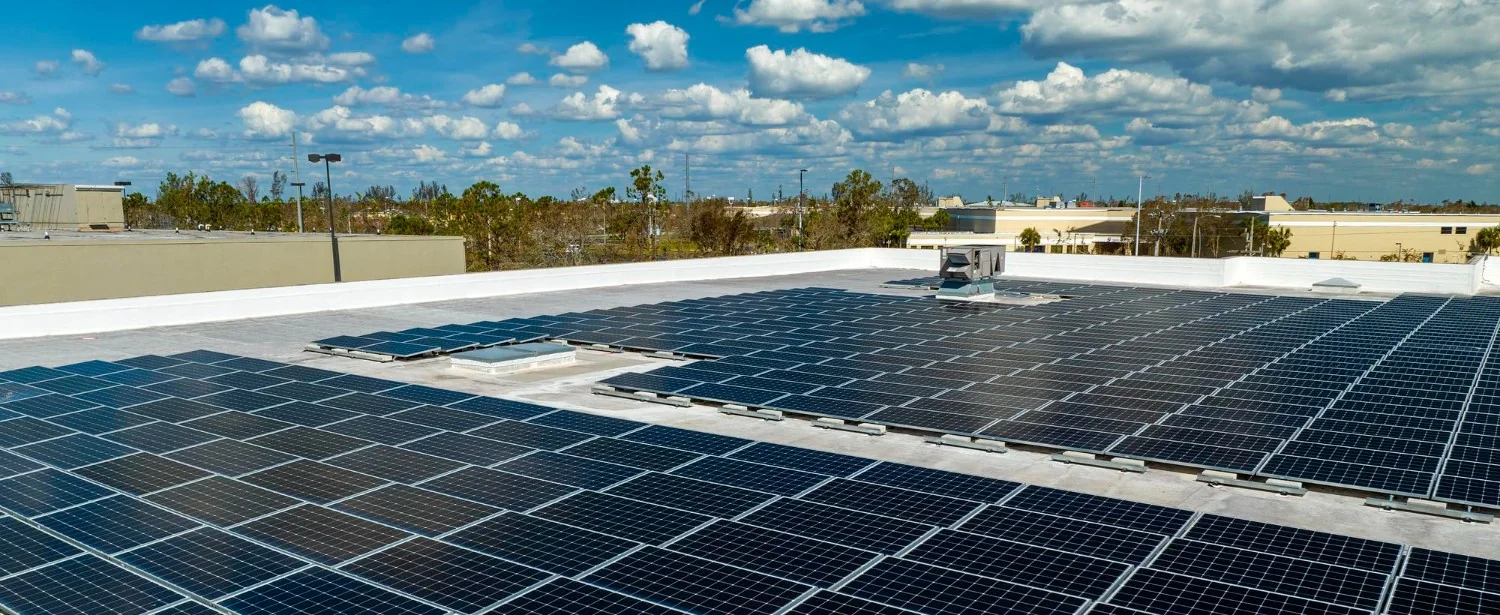
<ul><li><i>India’s rooftop solar capacity reached 30.7 GW in July 2026, increasing the need for better grid management and flexibility.</i></li><li><i>Kerala and Maharashtra are exploring battery ener…

• 𝘛𝘩𝘦 𝘌𝘐𝘉 𝘎𝘳𝘰𝘶𝘱 𝘱𝘭𝘢𝘯𝘴 𝘵𝘰 𝘱𝘳𝘰𝘷𝘪𝘥𝘦 𝘢𝘵 𝘭𝘦𝘢𝘴𝘵 €30 𝘣𝘪𝘭𝘭𝘪𝘰𝘯 𝘧𝘰𝘳 𝘤𝘭𝘪𝘮𝘢𝘵𝘦 𝘢𝘥𝘢𝘱𝘵𝘢𝘵𝘪𝘰𝘯 𝘣𝘦𝘵𝘸𝘦𝘦𝘯 2026 𝘢𝘯𝘥 2030. • 𝘛𝘩𝘦 𝘯𝘦𝘸 𝘵𝘢𝘳𝘨𝘦𝘵 𝘥𝘰𝘶𝘣𝘭𝘦𝘴 𝘢𝘥𝘢𝘱𝘵𝘢𝘵𝘪𝘰𝘯 𝘧𝘪𝘯𝘢𝘯𝘤𝘪𝘯𝘨 𝘤𝘰𝘮𝘱𝘢𝘳𝘦𝘥 𝘸𝘪𝘵𝘩 𝘵𝘩𝘦 𝘱𝘳𝘦𝘷𝘪𝘰𝘶𝘴 𝘧𝘪𝘷𝘦-𝘺𝘦𝘢𝘳 𝘱𝘦𝘳𝘪𝘰𝘥. • 𝘍𝘶𝘯𝘥𝘪𝘯𝘨…