

.jpg)
20 February 2026
The Trump administration is intensifying pressure on Europe to reshape its energy and climate policies, urging the European Union to buy more American fossil fuels and scale back regulations seen as barriers to U.S. exports.
As part of a 2025 framework trade deal, the EU pledged to spend $250 billion annually for three years on U.S. energy imports, including oil, liquefied natural gas (LNG), and nuclear technology. Meeting that target would require a significant redirection of U.S. exports toward Europe, even though EU governments have limited control over private energy purchasing decisions.
Washington has also called on Brussels to dilute sustainability rules. U.S. officials and major energy firms such as ExxonMobil and Chevron have criticized the EU’s corporate sustainability directives, which require companies to assess environmental and human rights risks across supply chains and disclose climate performance. Under U.S. pressure, some provisions - including mandatory net-zero transition plans - were softened or delayed.
In a more dramatic move, U.S. Energy Secretary Chris Wright gave the Paris-based International Energy Agency a one-year ultimatum to abandon its support for net-zero-by-2050 goals or risk losing U.S. membership. The agency’s 2021 roadmap had urged an end to new fossil fuel supply projects to meet climate targets.
The administration is also pushing Europe to replace Russian gas with U.S. LNG. American LNG shipments to the EU have surged from 14 billion cubic meters in 2019 to 83 bcm in 2025, while Russian imports have sharply declined.
Additionally, Washington is seeking exemptions from the EU’s methane emissions rules for imported oil and gas, warning that strict enforcement could disrupt transatlantic energy trade.
Together, the demands underscore a widening rift between U.S. and European climate strategies, as Washington prioritizes fossil fuel expansion while Europe maintains long-term decarbonization goals.
US pressure on European energy alignment creates real strategic tension for European corporates trying to balance transition commitments with energy-security realities, and the methane-rule exemption ask makes that tension operational. Our energy-transition and market-intelligence teams help clients build energy strategies that stay defensible across these geopolitical pressures.

• 𝘛𝘩𝘦 𝘜𝘈𝘌 𝘍𝘰𝘰𝘥 𝘉𝘢𝘯𝘬 𝘢𝘯𝘥 𝘋𝘶𝘣𝘢𝘪’𝘴 𝘊𝘰𝘮𝘮𝘶𝘯𝘪𝘵𝘺 𝘋𝘦𝘷𝘦𝘭𝘰𝘱𝘮𝘦𝘯𝘵 𝘈𝘶𝘵𝘩𝘰𝘳𝘪𝘵𝘺 (𝘊𝘋𝘈) 𝘩𝘢𝘷𝘦 𝘴𝘪𝘨𝘯𝘦𝘥 𝘢𝘯 𝘢𝘨𝘳𝘦𝘦𝘮𝘦𝘯𝘵 𝘵𝘰 𝘤𝘰𝘭𝘭𝘦𝘤𝘵 𝘢𝘯𝘥 𝘳𝘦𝘥𝘪𝘴𝘵𝘳𝘪𝘣𝘶𝘵𝘦 𝘴𝘶𝘳𝘱𝘭𝘶𝘴 𝘧𝘰𝘰𝘥 𝘧𝘳𝘰𝘮 𝘸𝘦𝘥𝘥𝘪𝘯𝘨𝘴 𝘢𝘯𝘥 𝘦𝘷𝘦𝘯𝘵𝘴. • 𝘛𝘩𝘦 𝘪𝘯𝘪𝘵𝘪𝘢𝘵𝘪𝘷𝘦 𝘸𝘪𝘭𝘭 𝘧𝘰𝘭𝘭𝘰𝘸 𝘢𝘱𝘱𝘳𝘰𝘷𝘦𝘥…
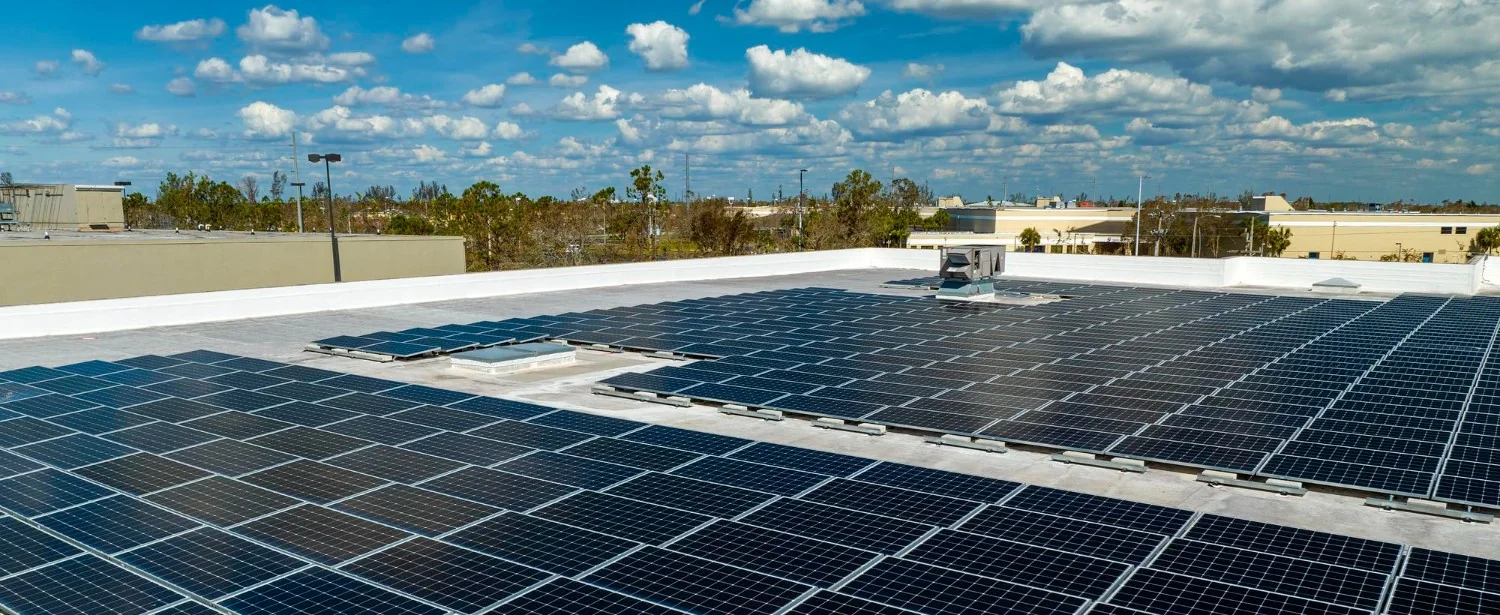
<ul><li><i>India’s rooftop solar capacity reached 30.7 GW in July 2026, increasing the need for better grid management and flexibility.</i></li><li><i>Kerala and Maharashtra are exploring battery ener…

• 𝘛𝘩𝘦 𝘌𝘐𝘉 𝘎𝘳𝘰𝘶𝘱 𝘱𝘭𝘢𝘯𝘴 𝘵𝘰 𝘱𝘳𝘰𝘷𝘪𝘥𝘦 𝘢𝘵 𝘭𝘦𝘢𝘴𝘵 €30 𝘣𝘪𝘭𝘭𝘪𝘰𝘯 𝘧𝘰𝘳 𝘤𝘭𝘪𝘮𝘢𝘵𝘦 𝘢𝘥𝘢𝘱𝘵𝘢𝘵𝘪𝘰𝘯 𝘣𝘦𝘵𝘸𝘦𝘦𝘯 2026 𝘢𝘯𝘥 2030. • 𝘛𝘩𝘦 𝘯𝘦𝘸 𝘵𝘢𝘳𝘨𝘦𝘵 𝘥𝘰𝘶𝘣𝘭𝘦𝘴 𝘢𝘥𝘢𝘱𝘵𝘢𝘵𝘪𝘰𝘯 𝘧𝘪𝘯𝘢𝘯𝘤𝘪𝘯𝘨 𝘤𝘰𝘮𝘱𝘢𝘳𝘦𝘥 𝘸𝘪𝘵𝘩 𝘵𝘩𝘦 𝘱𝘳𝘦𝘷𝘪𝘰𝘶𝘴 𝘧𝘪𝘷𝘦-𝘺𝘦𝘢𝘳 𝘱𝘦𝘳𝘪𝘰𝘥. • 𝘍𝘶𝘯𝘥𝘪𝘯𝘨…