

.jpg)
04 December 2025
President Donald Trump has unveiled a sweeping proposal to slash U.S. fuel economy standards, reversing one of former President Joe Biden’s key climate policies and easing compliance for automakers still heavily reliant on gasoline-powered vehicles. Announced Wednesday, the plan would lower required fleetwide fuel efficiency to 34.5 miles per gallon by 2031-down sharply from the 50.4 mpg target finalized under Biden.
The National Highway Traffic Safety Administration (NHTSA) outlined a rollback of past standards and minimal increases of just 0.25% to 0.5% annually through 2031. This marks a stark shift from Biden-era increases of up to 10%. While the proposal is expected to reduce upfront vehicle costs by an average of $930, NHTSA also projects it will increase fuel consumption by 100 billion gallons through 2050 and raise carbon emissions by about 5%.
Automakers stand to save $35 billion in compliance costs, including major benefits for GM, Ford and Stellantis. However, critics warn the move will burden American drivers with as much as $185 billion in additional fuel costs while weakening climate progress. California Governor Gavin Newsom accused Trump of “gutting” protections that keep communities’ air clean.
The proposal also seeks to eliminate credit trading among manufacturers by 2028-a significant blow to EV-focused companies such as Tesla and Rivian, which rely on selling credits to competitors. Environmental groups argue the changes cater to the oil industry and will increase pollution equivalent to adding 7.7 million vehicles to U.S. roads by 2035 compared to Biden’s rules.
The announcement comes as Trump continues broader efforts to revive the traditional auto sector and pull back incentives for electric vehicles, including ending EV tax credits and blocking state-level zero-emission mandates.
Fuel-economy rollbacks change US auto-industry Scope 3 emissions trajectories, and they raise the disclosure and financing bar for automakers with international sales exposure to EU emissions rules. Our climate-action and ESG-strategy teams help clients evaluate what these rollbacks mean for multi-jurisdiction fleet and disclosure strategy.

• 𝘛𝘩𝘦 𝘜𝘈𝘌 𝘍𝘰𝘰𝘥 𝘉𝘢𝘯𝘬 𝘢𝘯𝘥 𝘋𝘶𝘣𝘢𝘪’𝘴 𝘊𝘰𝘮𝘮𝘶𝘯𝘪𝘵𝘺 𝘋𝘦𝘷𝘦𝘭𝘰𝘱𝘮𝘦𝘯𝘵 𝘈𝘶𝘵𝘩𝘰𝘳𝘪𝘵𝘺 (𝘊𝘋𝘈) 𝘩𝘢𝘷𝘦 𝘴𝘪𝘨𝘯𝘦𝘥 𝘢𝘯 𝘢𝘨𝘳𝘦𝘦𝘮𝘦𝘯𝘵 𝘵𝘰 𝘤𝘰𝘭𝘭𝘦𝘤𝘵 𝘢𝘯𝘥 𝘳𝘦𝘥𝘪𝘴𝘵𝘳𝘪𝘣𝘶𝘵𝘦 𝘴𝘶𝘳𝘱𝘭𝘶𝘴 𝘧𝘰𝘰𝘥 𝘧𝘳𝘰𝘮 𝘸𝘦𝘥𝘥𝘪𝘯𝘨𝘴 𝘢𝘯𝘥 𝘦𝘷𝘦𝘯𝘵𝘴. • 𝘛𝘩𝘦 𝘪𝘯𝘪𝘵𝘪𝘢𝘵𝘪𝘷𝘦 𝘸𝘪𝘭𝘭 𝘧𝘰𝘭𝘭𝘰𝘸 𝘢𝘱𝘱𝘳𝘰𝘷𝘦𝘥…
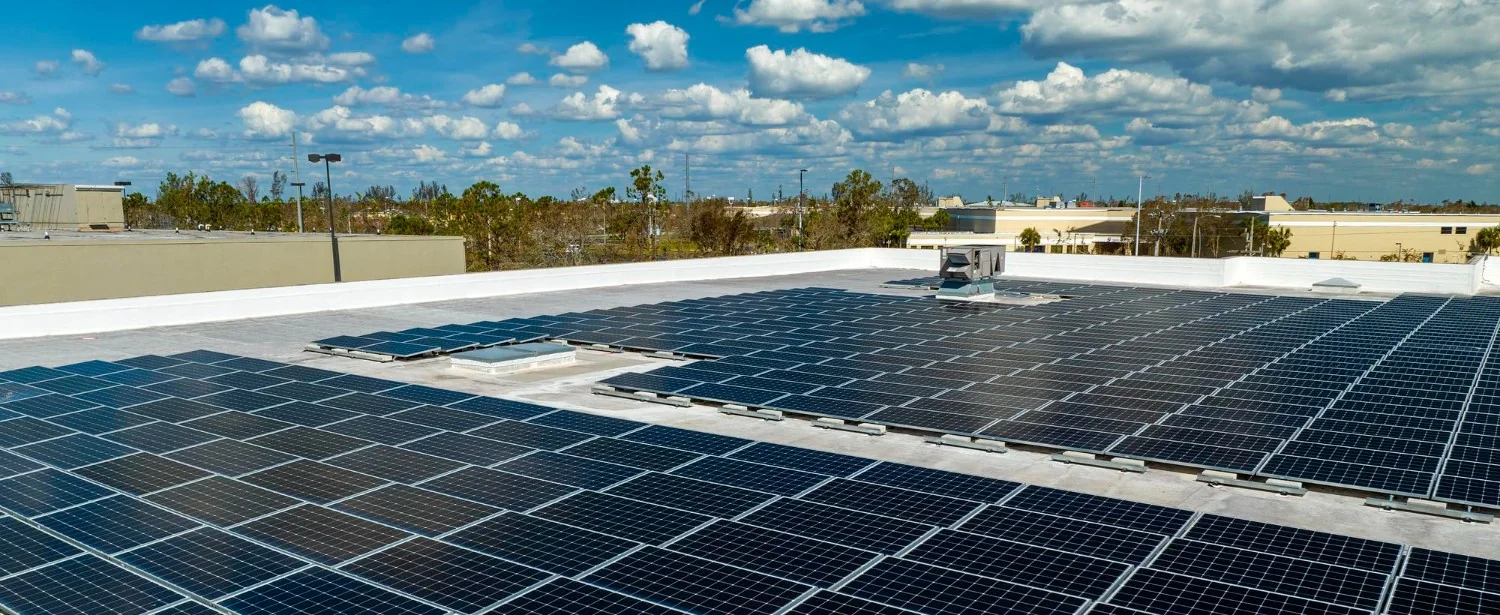
<ul><li><i>India’s rooftop solar capacity reached 30.7 GW in July 2026, increasing the need for better grid management and flexibility.</i></li><li><i>Kerala and Maharashtra are exploring battery ener…

• 𝘛𝘩𝘦 𝘌𝘐𝘉 𝘎𝘳𝘰𝘶𝘱 𝘱𝘭𝘢𝘯𝘴 𝘵𝘰 𝘱𝘳𝘰𝘷𝘪𝘥𝘦 𝘢𝘵 𝘭𝘦𝘢𝘴𝘵 €30 𝘣𝘪𝘭𝘭𝘪𝘰𝘯 𝘧𝘰𝘳 𝘤𝘭𝘪𝘮𝘢𝘵𝘦 𝘢𝘥𝘢𝘱𝘵𝘢𝘵𝘪𝘰𝘯 𝘣𝘦𝘵𝘸𝘦𝘦𝘯 2026 𝘢𝘯𝘥 2030. • 𝘛𝘩𝘦 𝘯𝘦𝘸 𝘵𝘢𝘳𝘨𝘦𝘵 𝘥𝘰𝘶𝘣𝘭𝘦𝘴 𝘢𝘥𝘢𝘱𝘵𝘢𝘵𝘪𝘰𝘯 𝘧𝘪𝘯𝘢𝘯𝘤𝘪𝘯𝘨 𝘤𝘰𝘮𝘱𝘢𝘳𝘦𝘥 𝘸𝘪𝘵𝘩 𝘵𝘩𝘦 𝘱𝘳𝘦𝘷𝘪𝘰𝘶𝘴 𝘧𝘪𝘷𝘦-𝘺𝘦𝘢𝘳 𝘱𝘦𝘳𝘪𝘰𝘥. • 𝘍𝘶𝘯𝘥𝘪𝘯𝘨…