

.jpg)
26 January 2026
The Trump administration has taken its first formal step toward offering new offshore oil and gas leases off the coast of California, inviting energy companies to nominate areas for potential drilling in Southern and Central California. The Interior Department said a lease sale could be held as soon as next year, marking a major shift in U.S. offshore energy policy.
The move aligns with President Donald Trump’s broader “energy dominance” agenda, aimed at expanding domestic fossil fuel production. “We’re taking the first step toward a stronger, more secure American energy future,” said Matt Giacona, acting director of the Bureau of Ocean Energy Management (BOEM), in announcing the request for industry input.
California has not seen new federal offshore drilling lease auctions since 1984, and much of its coastline has remained protected since a devastating 1969 oil spill off Santa Barbara helped galvanize modern environmental regulations. The proposal is therefore politically and environmentally contentious in a state known for aggressive climate policies and strong coastal protections.
Governor Gavin Newsom and environmental groups swiftly condemned the plan, warning it could threaten marine ecosystems, coastal communities and California’s tourism-driven coastal economy. Critics argue the initiative could undo decades of environmental safeguards and expose the coastline to spill risks.
Federal waters accounted for about 14% of total U.S. oil production in 2024, but Pacific offshore leases contributed just 0.1%, underscoring the symbolic and political weight of the proposal relative to its current production impact.
Environmental advocates called the move reckless, while the oil and gas industry welcomed the opportunity to weigh in. BOEM has opened a 30-day public comment period, with the earliest potential lease sales tentatively scheduled for 2027, setting the stage for a prolonged political and legal battle over California’s coast.
California-federal offshore-drilling conflict adds significant legal and regulatory uncertainty for O&G producers, and it affects lender, insurer and offtaker positioning for the Pacific pipeline even where output remains marginal. Our sustainability-due-diligence and climate-action teams help clients evaluate what these developments mean for TCFD-aligned transition-risk disclosure.

• 𝘛𝘩𝘦 𝘜𝘈𝘌 𝘍𝘰𝘰𝘥 𝘉𝘢𝘯𝘬 𝘢𝘯𝘥 𝘋𝘶𝘣𝘢𝘪’𝘴 𝘊𝘰𝘮𝘮𝘶𝘯𝘪𝘵𝘺 𝘋𝘦𝘷𝘦𝘭𝘰𝘱𝘮𝘦𝘯𝘵 𝘈𝘶𝘵𝘩𝘰𝘳𝘪𝘵𝘺 (𝘊𝘋𝘈) 𝘩𝘢𝘷𝘦 𝘴𝘪𝘨𝘯𝘦𝘥 𝘢𝘯 𝘢𝘨𝘳𝘦𝘦𝘮𝘦𝘯𝘵 𝘵𝘰 𝘤𝘰𝘭𝘭𝘦𝘤𝘵 𝘢𝘯𝘥 𝘳𝘦𝘥𝘪𝘴𝘵𝘳𝘪𝘣𝘶𝘵𝘦 𝘴𝘶𝘳𝘱𝘭𝘶𝘴 𝘧𝘰𝘰𝘥 𝘧𝘳𝘰𝘮 𝘸𝘦𝘥𝘥𝘪𝘯𝘨𝘴 𝘢𝘯𝘥 𝘦𝘷𝘦𝘯𝘵𝘴. • 𝘛𝘩𝘦 𝘪𝘯𝘪𝘵𝘪𝘢𝘵𝘪𝘷𝘦 𝘸𝘪𝘭𝘭 𝘧𝘰𝘭𝘭𝘰𝘸 𝘢𝘱𝘱𝘳𝘰𝘷𝘦𝘥…
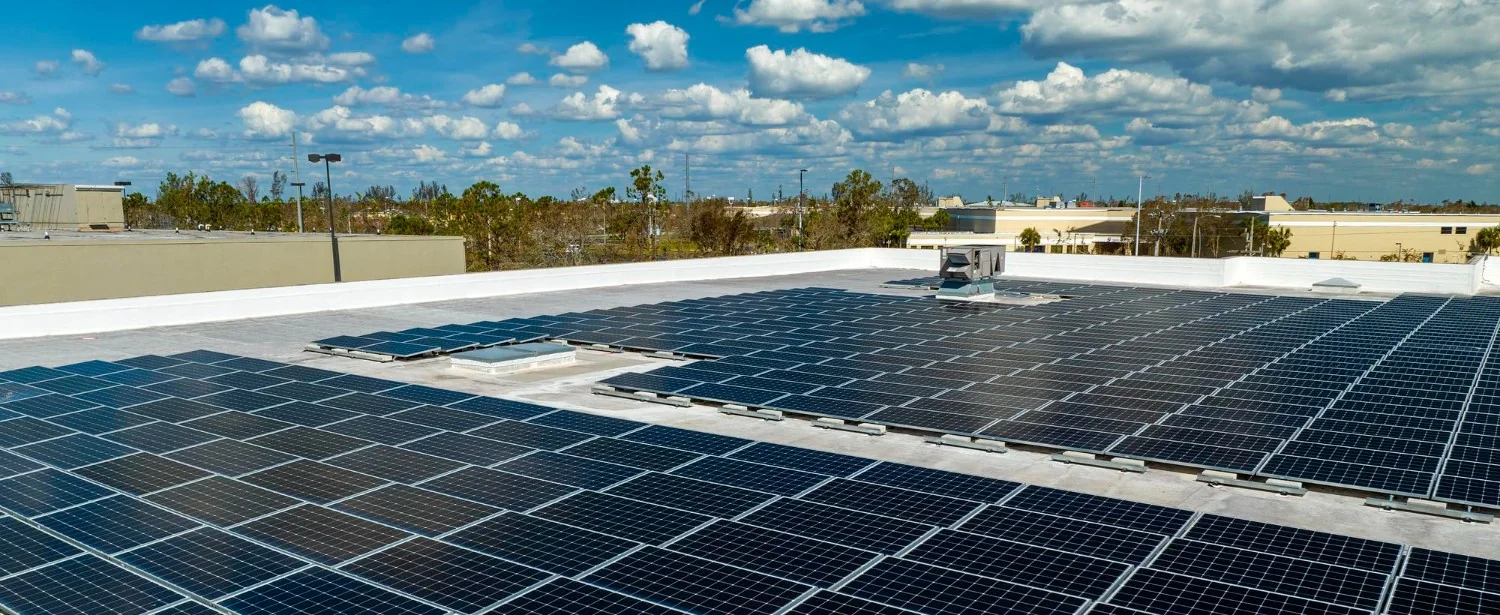
<ul><li><i>India’s rooftop solar capacity reached 30.7 GW in July 2026, increasing the need for better grid management and flexibility.</i></li><li><i>Kerala and Maharashtra are exploring battery ener…

• 𝘛𝘩𝘦 𝘌𝘐𝘉 𝘎𝘳𝘰𝘶𝘱 𝘱𝘭𝘢𝘯𝘴 𝘵𝘰 𝘱𝘳𝘰𝘷𝘪𝘥𝘦 𝘢𝘵 𝘭𝘦𝘢𝘴𝘵 €30 𝘣𝘪𝘭𝘭𝘪𝘰𝘯 𝘧𝘰𝘳 𝘤𝘭𝘪𝘮𝘢𝘵𝘦 𝘢𝘥𝘢𝘱𝘵𝘢𝘵𝘪𝘰𝘯 𝘣𝘦𝘵𝘸𝘦𝘦𝘯 2026 𝘢𝘯𝘥 2030. • 𝘛𝘩𝘦 𝘯𝘦𝘸 𝘵𝘢𝘳𝘨𝘦𝘵 𝘥𝘰𝘶𝘣𝘭𝘦𝘴 𝘢𝘥𝘢𝘱𝘵𝘢𝘵𝘪𝘰𝘯 𝘧𝘪𝘯𝘢𝘯𝘤𝘪𝘯𝘨 𝘤𝘰𝘮𝘱𝘢𝘳𝘦𝘥 𝘸𝘪𝘵𝘩 𝘵𝘩𝘦 𝘱𝘳𝘦𝘷𝘪𝘰𝘶𝘴 𝘧𝘪𝘷𝘦-𝘺𝘦𝘢𝘳 𝘱𝘦𝘳𝘪𝘰𝘥. • 𝘍𝘶𝘯𝘥𝘪𝘯𝘨…