

11 February 2026
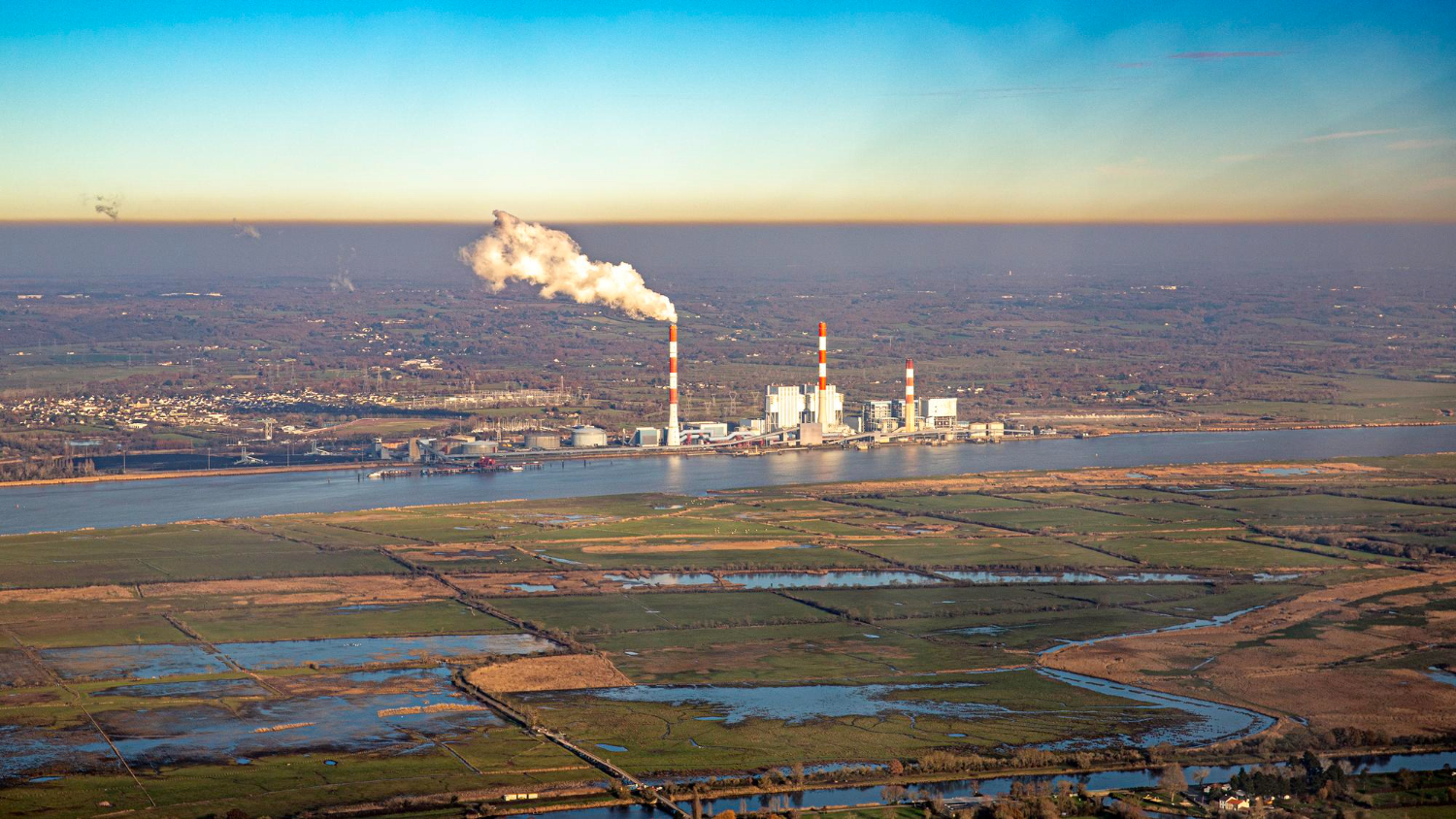
The Trump administration’s move to repeal the 2009 “endangerment finding” - the scientific determination that greenhouse gases threaten public health - could trigger a fresh wave of climate-related lawsuits against power plants and major emitters, legal experts say.
The Environmental Protection Agency is expected this week to formally rescind the finding, which has served as the legal backbone for federal greenhouse gas regulation under the Clean Air Act. EPA Administrator Lee Zeldin has described the repeal as the “largest act of deregulation in the history of the United States.”
But dismantling the regulatory framework may have unintended consequences. Legal scholars argue that removing the federal government’s oversight role could revive public nuisance lawsuits - a legal theory that allows states and municipalities to sue companies for activities that harm public health or safety.
In a landmark 2011 ruling, the U.S. Supreme Court held that the Clean Air Act and EPA regulations displaced such federal nuisance claims, effectively shielding power companies from similar lawsuits. If the EPA abandons regulation of greenhouse gases, that legal shield may erode.
“This has the potential to change the stakes of the game,” said University of Pennsylvania law professor Sarah Light, noting that without a comprehensive federal regulatory scheme, nuisance claims could proceed in court. Robert Percival, a University of Maryland law professor, warned the repeal may backfire, opening the door to expanded litigation.
Industry groups have expressed concern. The Edison Electric Institute cautioned that rescinding the finding could invite increased common-law claims, regardless of their ultimate success.
Public nuisance cases remain difficult to win, given challenges in proving direct causation between specific emissions and climate harms. Still, legal experts suggest the policy reversal could reshape the litigation landscape, potentially shifting climate battles from federal agencies to courtrooms across the country.
Litigation risk shifting to power companies is a real consequence of federal deregulation, and it affects utility, IPP and lender pricing of climate exposure even when public-nuisance claims struggle at the causation stage. Our sustainability-due-diligence teams help utility clients evaluate what these dynamics mean for TCFD-aligned transition and physical-risk disclosure.

• 𝘛𝘩𝘦 𝘜𝘈𝘌 𝘍𝘰𝘰𝘥 𝘉𝘢𝘯𝘬 𝘢𝘯𝘥 𝘋𝘶𝘣𝘢𝘪’𝘴 𝘊𝘰𝘮𝘮𝘶𝘯𝘪𝘵𝘺 𝘋𝘦𝘷𝘦𝘭𝘰𝘱𝘮𝘦𝘯𝘵 𝘈𝘶𝘵𝘩𝘰𝘳𝘪𝘵𝘺 (𝘊𝘋𝘈) 𝘩𝘢𝘷𝘦 𝘴𝘪𝘨𝘯𝘦𝘥 𝘢𝘯 𝘢𝘨𝘳𝘦𝘦𝘮𝘦𝘯𝘵 𝘵𝘰 𝘤𝘰𝘭𝘭𝘦𝘤𝘵 𝘢𝘯𝘥 𝘳𝘦𝘥𝘪𝘴𝘵𝘳𝘪𝘣𝘶𝘵𝘦 𝘴𝘶𝘳𝘱𝘭𝘶𝘴 𝘧𝘰𝘰𝘥 𝘧𝘳𝘰𝘮 𝘸𝘦𝘥𝘥𝘪𝘯𝘨𝘴 𝘢𝘯𝘥 𝘦𝘷𝘦𝘯𝘵𝘴. • 𝘛𝘩𝘦 𝘪𝘯𝘪𝘵𝘪𝘢𝘵𝘪𝘷𝘦 𝘸𝘪𝘭𝘭 𝘧𝘰𝘭𝘭𝘰𝘸 𝘢𝘱𝘱𝘳𝘰𝘷𝘦𝘥…
<ul><li><i>India’s rooftop solar capacity reached 30.7 GW in July 2026, increasing the need for better grid management and flexibility.</i></li><li><i>Kerala and Maharashtra are exploring battery ener…

• 𝘛𝘩𝘦 𝘌𝘐𝘉 𝘎𝘳𝘰𝘶𝘱 𝘱𝘭𝘢𝘯𝘴 𝘵𝘰 𝘱𝘳𝘰𝘷𝘪𝘥𝘦 𝘢𝘵 𝘭𝘦𝘢𝘴𝘵 €30 𝘣𝘪𝘭𝘭𝘪𝘰𝘯 𝘧𝘰𝘳 𝘤𝘭𝘪𝘮𝘢𝘵𝘦 𝘢𝘥𝘢𝘱𝘵𝘢𝘵𝘪𝘰𝘯 𝘣𝘦𝘵𝘸𝘦𝘦𝘯 2026 𝘢𝘯𝘥 2030. • 𝘛𝘩𝘦 𝘯𝘦𝘸 𝘵𝘢𝘳𝘨𝘦𝘵 𝘥𝘰𝘶𝘣𝘭𝘦𝘴 𝘢𝘥𝘢𝘱𝘵𝘢𝘵𝘪𝘰𝘯 𝘧𝘪𝘯𝘢𝘯𝘤𝘪𝘯𝘨 𝘤𝘰𝘮𝘱𝘢𝘳𝘦𝘥 𝘸𝘪𝘵𝘩 𝘵𝘩𝘦 𝘱𝘳𝘦𝘷𝘪𝘰𝘶𝘴 𝘧𝘪𝘷𝘦-𝘺𝘦𝘢𝘳 𝘱𝘦𝘳𝘪𝘰𝘥. • 𝘍𝘶𝘯𝘥𝘪𝘯𝘨…