


11 July 2025
Thiruvananthapuram has taken a decisive leap toward sustainable urban development by launching a comprehensive Net Zero Carbon & Resilient Buildings (NZCRB) roadmap.
This pioneering move makes it the first Indian city to implement a dedicated strategy aimed at decarbonizing the entire building lifecycle-from construction materials and design to energy use and demolition.
Developed in partnership with WRI India and GIZ’s IRUMI project, the roadmap reflects a forward-looking approach to climate-resilient infrastructure in cities.
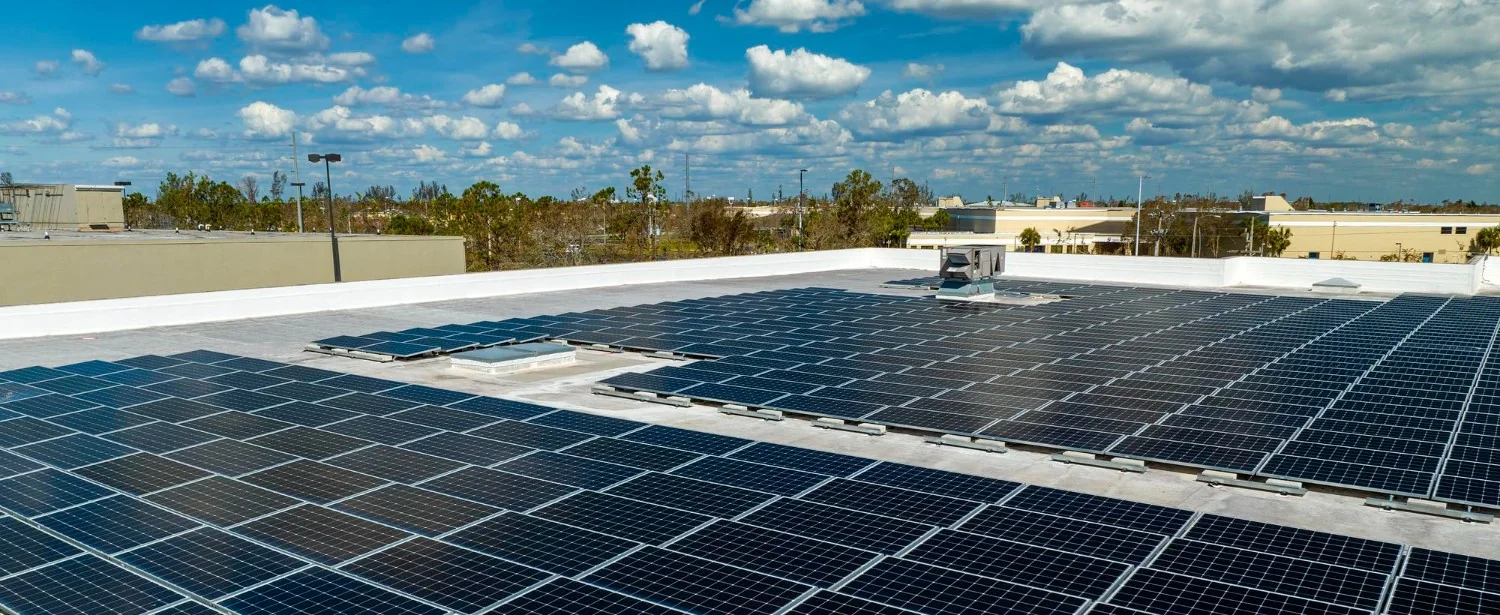
The roadmap outlined a 20-point action plan with strong emphasis on lifecycle carbon assessments, green building codes, and renewable energy integration. The city had already made notable progress, with 17 MW of rooftop solar installed across public buildings. It also committed to mainstreaming green procurement practices and incentivizing eco-friendly construction methods to reduce its carbon footprint.
To operationalize the roadmap, a dedicated green building cell was formed, alongside a proposed oversight committee to monitor implementation. The plan also focused on building robust data systems, improving transparency, and launching public awareness campaigns to drive behavioural change. Recognizing the economic potential, city leaders highlighted how this transition could generate green jobs and upskill the local workforce in energy-efficient construction and renewable systems.
Thiruvananthapuram’s leadership marks a significant milestone in India’s urban climate journey. As other cities look to align with national and global climate goals, this roadmap offers a replicable model for sustainable growth rooted in measurable impact and local accountability.
City-level net-zero roadmaps are increasingly the frame against which municipal infrastructure spend, permitting and procurement gets allocated - which means corporates operating locally feel the effects long before national policy catches up. Our climate-action and impact-assessment teams help clients align local operations with these municipal decarbonisation frameworks before they show up as bid conditions.

• 𝘛𝘩𝘦 𝘜𝘈𝘌 𝘍𝘰𝘰𝘥 𝘉𝘢𝘯𝘬 𝘢𝘯𝘥 𝘋𝘶𝘣𝘢𝘪’𝘴 𝘊𝘰𝘮𝘮𝘶𝘯𝘪𝘵𝘺 𝘋𝘦𝘷𝘦𝘭𝘰𝘱𝘮𝘦𝘯𝘵 𝘈𝘶𝘵𝘩𝘰𝘳𝘪𝘵𝘺 (𝘊𝘋𝘈) 𝘩𝘢𝘷𝘦 𝘴𝘪𝘨𝘯𝘦𝘥 𝘢𝘯 𝘢𝘨𝘳𝘦𝘦𝘮𝘦𝘯𝘵 𝘵𝘰 𝘤𝘰𝘭𝘭𝘦𝘤𝘵 𝘢𝘯𝘥 𝘳𝘦𝘥𝘪𝘴𝘵𝘳𝘪𝘣𝘶𝘵𝘦 𝘴𝘶𝘳𝘱𝘭𝘶𝘴 𝘧𝘰𝘰𝘥 𝘧𝘳𝘰𝘮 𝘸𝘦𝘥𝘥𝘪𝘯𝘨𝘴 𝘢𝘯𝘥 𝘦𝘷𝘦𝘯𝘵𝘴. • 𝘛𝘩𝘦 𝘪𝘯𝘪𝘵𝘪𝘢𝘵𝘪𝘷𝘦 𝘸𝘪𝘭𝘭 𝘧𝘰𝘭𝘭𝘰𝘸 𝘢𝘱𝘱𝘳𝘰𝘷𝘦𝘥…
<ul><li><i>India’s rooftop solar capacity reached 30.7 GW in July 2026, increasing the need for better grid management and flexibility.</i></li><li><i>Kerala and Maharashtra are exploring battery ener…

• 𝘛𝘩𝘦 𝘌𝘐𝘉 𝘎𝘳𝘰𝘶𝘱 𝘱𝘭𝘢𝘯𝘴 𝘵𝘰 𝘱𝘳𝘰𝘷𝘪𝘥𝘦 𝘢𝘵 𝘭𝘦𝘢𝘴𝘵 €30 𝘣𝘪𝘭𝘭𝘪𝘰𝘯 𝘧𝘰𝘳 𝘤𝘭𝘪𝘮𝘢𝘵𝘦 𝘢𝘥𝘢𝘱𝘵𝘢𝘵𝘪𝘰𝘯 𝘣𝘦𝘵𝘸𝘦𝘦𝘯 2026 𝘢𝘯𝘥 2030. • 𝘛𝘩𝘦 𝘯𝘦𝘸 𝘵𝘢𝘳𝘨𝘦𝘵 𝘥𝘰𝘶𝘣𝘭𝘦𝘴 𝘢𝘥𝘢𝘱𝘵𝘢𝘵𝘪𝘰𝘯 𝘧𝘪𝘯𝘢𝘯𝘤𝘪𝘯𝘨 𝘤𝘰𝘮𝘱𝘢𝘳𝘦𝘥 𝘸𝘪𝘵𝘩 𝘵𝘩𝘦 𝘱𝘳𝘦𝘷𝘪𝘰𝘶𝘴 𝘧𝘪𝘷𝘦-𝘺𝘦𝘢𝘳 𝘱𝘦𝘳𝘪𝘰𝘥. • 𝘍𝘶𝘯𝘥𝘪𝘯𝘨…