


23 February 2026
The Supreme Court of India has expressed concern over uneven compliance with the Solid Waste Management Rules across the country, observing that implementation varies widely between states, cities, and local bodies. The court noted that despite the rules being in force for several years, ground-level execution remains inconsistent, leading to persistent environmental and public health challenges.
During the hearing, the court highlighted key shortcomings such as improper segregation of waste at source, inadequate processing infrastructure, and continued dependence on open dumping and poorly managed landfill sites. These gaps, the bench observed, defeat the very objective of the Solid Waste Management Rules, which are designed to promote scientific waste handling, reduce environmental damage, and safeguard public health.
In response, the court issued pan-India directions to strengthen compliance. These directions are aimed at state governments, urban local bodies, and pollution control authorities, asking them to ensure strict adherence to timelines, improve monitoring mechanisms, and fix accountability for lapses. The court also stressed the need for regular reporting and data-driven assessment of waste management performance across jurisdictions.
The judgment underlines the judiciary’s growing role in pushing environmental governance and holding authorities accountable for statutory obligations. By calling for uniform enforcement and improved coordination among government agencies, the court has signalled that solid waste management is not merely a local civic issue but a national environmental priority requiring sustained administrative focus and effective implementation.
Supreme Court scrutiny on solid-waste implementation shifts enforcement from municipal-level guidance to national-level accountability, which changes the compliance calculus for consumer-goods, packaging and retail brands. Our circular-economy and sustainability-due-diligence teams help clients evaluate EPR exposure and build the data infrastructure needed for BRSR and waste-linked disclosure.

• 𝘛𝘩𝘦 𝘜𝘈𝘌 𝘍𝘰𝘰𝘥 𝘉𝘢𝘯𝘬 𝘢𝘯𝘥 𝘋𝘶𝘣𝘢𝘪’𝘴 𝘊𝘰𝘮𝘮𝘶𝘯𝘪𝘵𝘺 𝘋𝘦𝘷𝘦𝘭𝘰𝘱𝘮𝘦𝘯𝘵 𝘈𝘶𝘵𝘩𝘰𝘳𝘪𝘵𝘺 (𝘊𝘋𝘈) 𝘩𝘢𝘷𝘦 𝘴𝘪𝘨𝘯𝘦𝘥 𝘢𝘯 𝘢𝘨𝘳𝘦𝘦𝘮𝘦𝘯𝘵 𝘵𝘰 𝘤𝘰𝘭𝘭𝘦𝘤𝘵 𝘢𝘯𝘥 𝘳𝘦𝘥𝘪𝘴𝘵𝘳𝘪𝘣𝘶𝘵𝘦 𝘴𝘶𝘳𝘱𝘭𝘶𝘴 𝘧𝘰𝘰𝘥 𝘧𝘳𝘰𝘮 𝘸𝘦𝘥𝘥𝘪𝘯𝘨𝘴 𝘢𝘯𝘥 𝘦𝘷𝘦𝘯𝘵𝘴. • 𝘛𝘩𝘦 𝘪𝘯𝘪𝘵𝘪𝘢𝘵𝘪𝘷𝘦 𝘸𝘪𝘭𝘭 𝘧𝘰𝘭𝘭𝘰𝘸 𝘢𝘱𝘱𝘳𝘰𝘷𝘦𝘥…
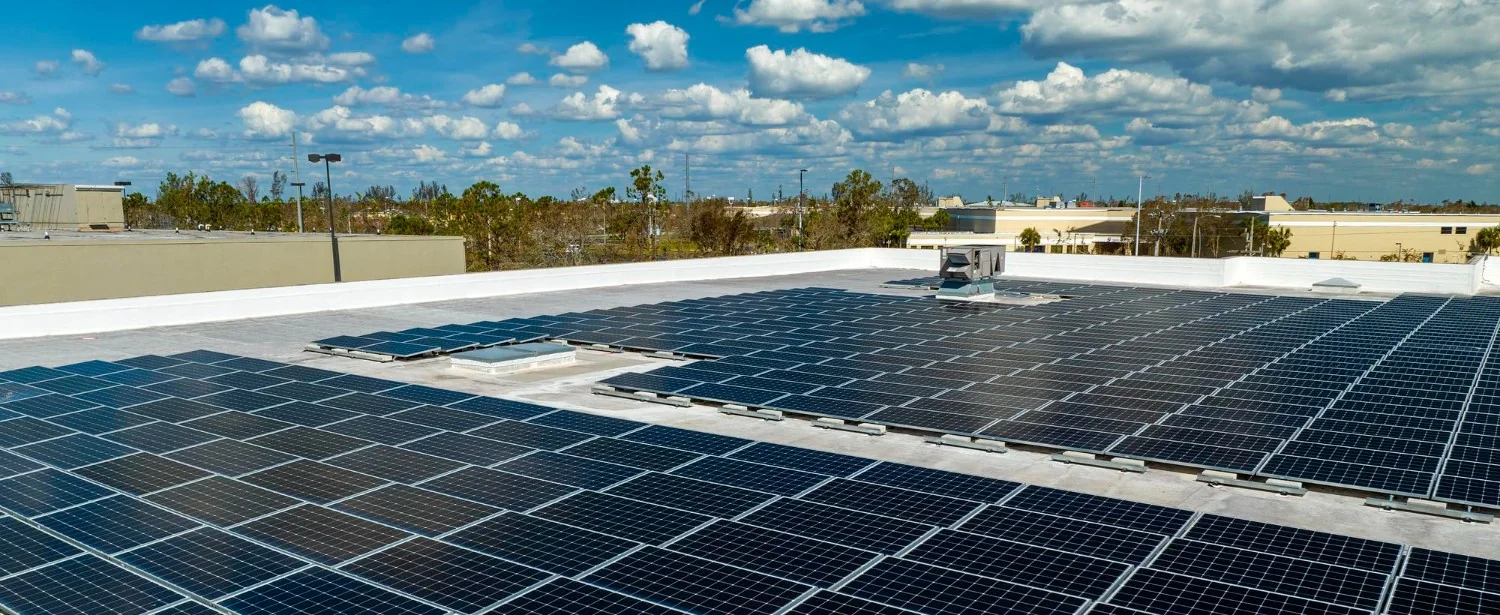
<ul><li><i>India’s rooftop solar capacity reached 30.7 GW in July 2026, increasing the need for better grid management and flexibility.</i></li><li><i>Kerala and Maharashtra are exploring battery ener…

• 𝘛𝘩𝘦 𝘌𝘐𝘉 𝘎𝘳𝘰𝘶𝘱 𝘱𝘭𝘢𝘯𝘴 𝘵𝘰 𝘱𝘳𝘰𝘷𝘪𝘥𝘦 𝘢𝘵 𝘭𝘦𝘢𝘴𝘵 €30 𝘣𝘪𝘭𝘭𝘪𝘰𝘯 𝘧𝘰𝘳 𝘤𝘭𝘪𝘮𝘢𝘵𝘦 𝘢𝘥𝘢𝘱𝘵𝘢𝘵𝘪𝘰𝘯 𝘣𝘦𝘵𝘸𝘦𝘦𝘯 2026 𝘢𝘯𝘥 2030. • 𝘛𝘩𝘦 𝘯𝘦𝘸 𝘵𝘢𝘳𝘨𝘦𝘵 𝘥𝘰𝘶𝘣𝘭𝘦𝘴 𝘢𝘥𝘢𝘱𝘵𝘢𝘵𝘪𝘰𝘯 𝘧𝘪𝘯𝘢𝘯𝘤𝘪𝘯𝘨 𝘤𝘰𝘮𝘱𝘢𝘳𝘦𝘥 𝘸𝘪𝘵𝘩 𝘵𝘩𝘦 𝘱𝘳𝘦𝘷𝘪𝘰𝘶𝘴 𝘧𝘪𝘷𝘦-𝘺𝘦𝘢𝘳 𝘱𝘦𝘳𝘪𝘰𝘥. • 𝘍𝘶𝘯𝘥𝘪𝘯𝘨…