


19 August 2025
The expansion of the Gulf Power Interconnection Project marked a major milestone in driving both energy integration and sustainability across the GCC. Announced by the Kuwait Fund for Arab Economic Development, the initiative was positioned as a pivotal step toward a more connected, resilient, and low-carbon regional grid.
The project was expected to enhance electricity exchange efficiency, reduce dependence on fossil-fuel-based generation during peak hours, and enable greater integration of renewable energy resources. With the completion of the new Al-Wafra 400 kV Station, Kuwait’s national grid capacity was set to increase by nearly 2,500 MW, strengthening reliability while lowering emissions linked to inefficient backup systems.
Strategically, the interconnection with Saudi Arabia (December 2024) and Iraq (May 2025) was designed to facilitate cross-border electricity trade, leveraging surplus clean energy and reducing regional carbon footprints. By 2026, the network was anticipated to fully support sustainable power flows across the GCC–Iraq axis.
Kuwait’s leadership role in this expansion highlighted its commitment not only to energy security and resilience, but also to positioning the region as a hub for sustainable power distribution-contributing to SDG 7 (Affordable and Clean Energy) and SDG 13 (Climate Action).
Gulf Power Interconnection expansion - Kuwait-Saudi (December 2024), Kuwait-Iraq (May 2025), full GCC-Iraq axis by 2026 - represents substantive regional grid integration progress. Cross-border electricity exchange reduces peak-hour fossil-generation dependency, improves grid stability during outages, and enables larger-scale renewable integration than any single national market could accommodate alone.
The 2,500 MW capacity addition through Al-Wafra station combined with cross-border interconnection creates the physical infrastructure that regional renewable trading requires. As solar generation scales across the region, coordinated dispatch enables surplus daytime solar in one market to serve evening peak demand in another - a systems-based approach that dramatically improves aggregate economics.
For utilities, renewable developers, industrial power buyers and financial institutions supporting Gulf grid-integrated investment, Cognitud's energy transition, market intelligence and responsible investment teams help clients evaluate cross-border energy-trading opportunities, structure PPA arrangements aligned with regional grid dynamics, and prepare disclosures aligned with SDG 7, SDG 13, ISSB and jurisdictional grid-integration frameworks that increasingly determine competitive positioning in Gulf energy markets.

• 𝘛𝘩𝘦 𝘜𝘈𝘌 𝘍𝘰𝘰𝘥 𝘉𝘢𝘯𝘬 𝘢𝘯𝘥 𝘋𝘶𝘣𝘢𝘪’𝘴 𝘊𝘰𝘮𝘮𝘶𝘯𝘪𝘵𝘺 𝘋𝘦𝘷𝘦𝘭𝘰𝘱𝘮𝘦𝘯𝘵 𝘈𝘶𝘵𝘩𝘰𝘳𝘪𝘵𝘺 (𝘊𝘋𝘈) 𝘩𝘢𝘷𝘦 𝘴𝘪𝘨𝘯𝘦𝘥 𝘢𝘯 𝘢𝘨𝘳𝘦𝘦𝘮𝘦𝘯𝘵 𝘵𝘰 𝘤𝘰𝘭𝘭𝘦𝘤𝘵 𝘢𝘯𝘥 𝘳𝘦𝘥𝘪𝘴𝘵𝘳𝘪𝘣𝘶𝘵𝘦 𝘴𝘶𝘳𝘱𝘭𝘶𝘴 𝘧𝘰𝘰𝘥 𝘧𝘳𝘰𝘮 𝘸𝘦𝘥𝘥𝘪𝘯𝘨𝘴 𝘢𝘯𝘥 𝘦𝘷𝘦𝘯𝘵𝘴. • 𝘛𝘩𝘦 𝘪𝘯𝘪𝘵𝘪𝘢𝘵𝘪𝘷𝘦 𝘸𝘪𝘭𝘭 𝘧𝘰𝘭𝘭𝘰𝘸 𝘢𝘱𝘱𝘳𝘰𝘷𝘦𝘥…
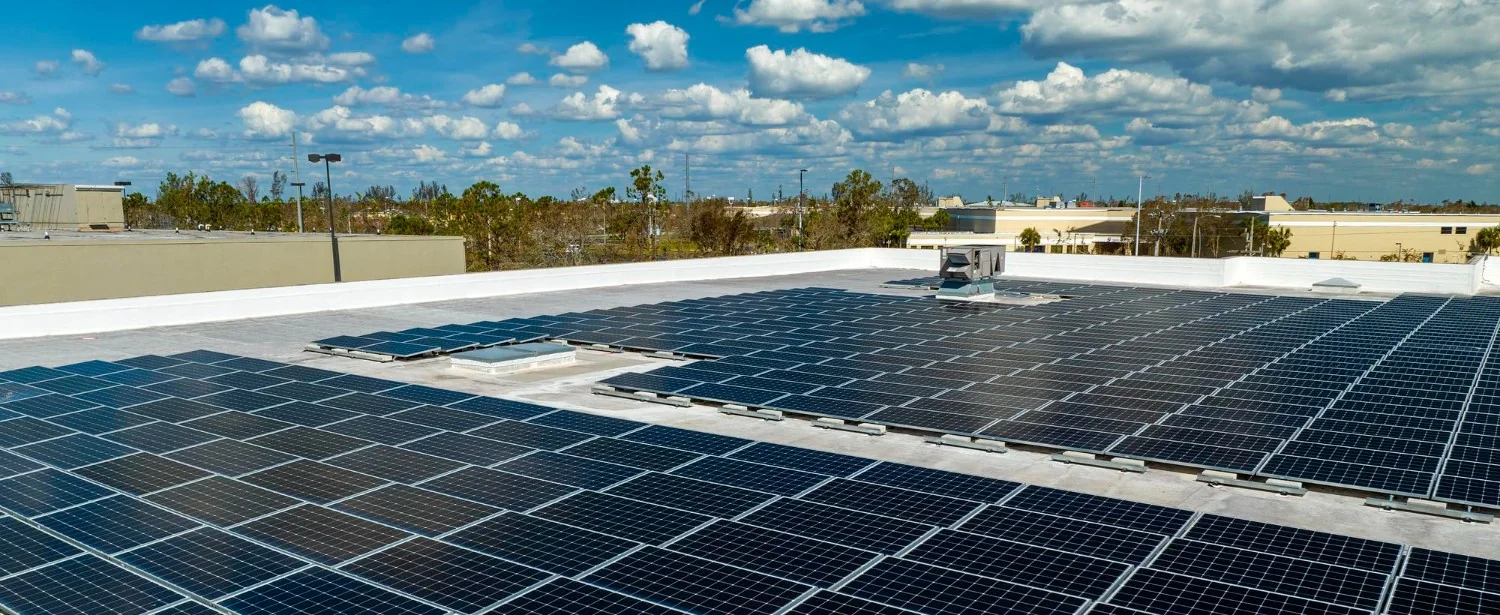
<ul><li><i>India’s rooftop solar capacity reached 30.7 GW in July 2026, increasing the need for better grid management and flexibility.</i></li><li><i>Kerala and Maharashtra are exploring battery ener…
• 𝘛𝘩𝘦 𝘌𝘐𝘉 𝘎𝘳𝘰𝘶𝘱 𝘱𝘭𝘢𝘯𝘴 𝘵𝘰 𝘱𝘳𝘰𝘷𝘪𝘥𝘦 𝘢𝘵 𝘭𝘦𝘢𝘴𝘵 €30 𝘣𝘪𝘭𝘭𝘪𝘰𝘯 𝘧𝘰𝘳 𝘤𝘭𝘪𝘮𝘢𝘵𝘦 𝘢𝘥𝘢𝘱𝘵𝘢𝘵𝘪𝘰𝘯 𝘣𝘦𝘵𝘸𝘦𝘦𝘯 2026 𝘢𝘯𝘥 2030. • 𝘛𝘩𝘦 𝘯𝘦𝘸 𝘵𝘢𝘳𝘨𝘦𝘵 𝘥𝘰𝘶𝘣𝘭𝘦𝘴 𝘢𝘥𝘢𝘱𝘵𝘢𝘵𝘪𝘰𝘯 𝘧𝘪𝘯𝘢𝘯𝘤𝘪𝘯𝘨 𝘤𝘰𝘮𝘱𝘢𝘳𝘦𝘥 𝘸𝘪𝘵𝘩 𝘵𝘩𝘦 𝘱𝘳𝘦𝘷𝘪𝘰𝘶𝘴 𝘧𝘪𝘷𝘦-𝘺𝘦𝘢𝘳 𝘱𝘦𝘳𝘪𝘰𝘥. • 𝘍𝘶𝘯𝘥𝘪𝘯𝘨…