

06 January 2026
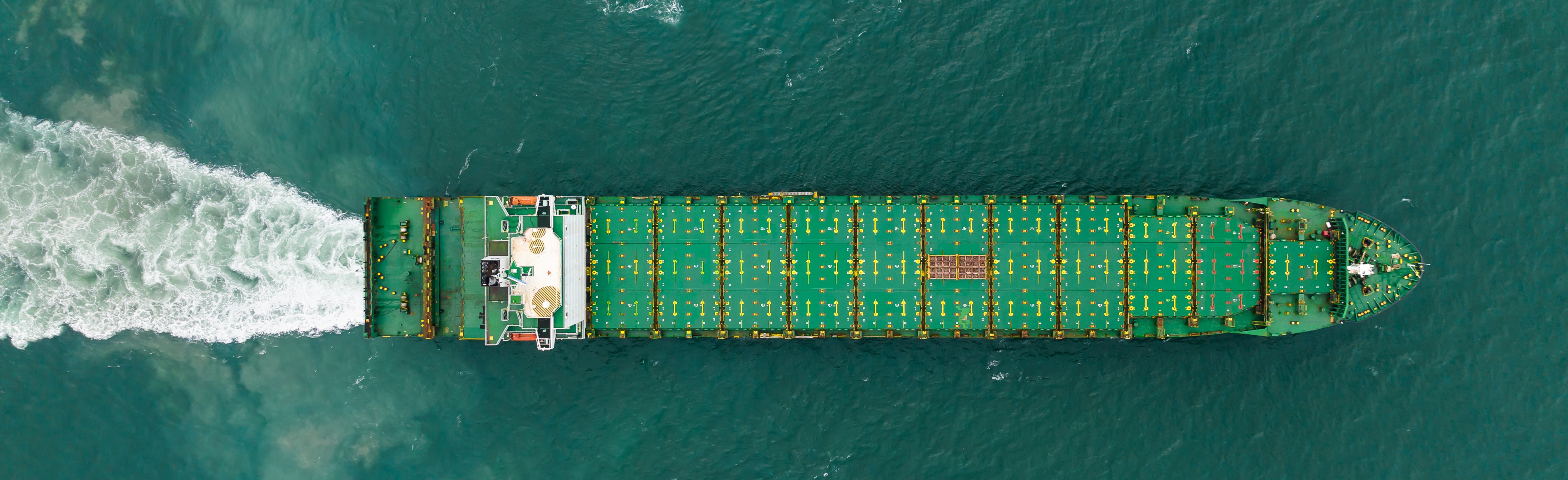
A new assessment of maritime energy transitions revealed that Spain, Denmark, Norway and France are at the forefront of developing green e-fuels for the shipping sector. According to an updated analysis released on this date, these countries are leading Europe’s efforts to produce alternative fuels such as green hydrogen, e-methanol and e-ammonia that can replace conventional fossil fuels in ocean transport.
The analysis identified roughly 80 projects across Europe with the potential to generate more than 3.6 million tonnes of oil equivalent by 2032. These initiatives span multiple types of renewable fuels, with major development efforts focused on integrating renewable energy inputs into production systems. Of these projects, many are still in planning stages, and only a minority have reached advanced investment or operational phases due to lingering policy and market uncertainties.
One of the most notable developments is the maritime e-methanol production facility in Kassø, Denmark, which became operational in 2025. This facility supplies e-methanol to shipping operators and is among the largest of its kind in Europe. Despite this milestone, analysts emphasise that broader adoption of e-fuels in maritime transport will require clearer regulatory incentives and stronger demand signals from shipowners to stimulate investment and scale-up of production capacity.
Transport policy experts assert that strengthening regulatory frameworks and setting ambitious green fuel targets will be crucial if these countries are to maintain their leadership in the sector. The overarching goal is not only to reduce greenhouse gas emissions from one of the hardest-to-decarbonise industries but also to bolster energy security and create new economic opportunities in the emerging clean marine fuel market.
European e-fuel development is where maritime decarbonisation actually gets financed at commercial scale, and it changes fuel-procurement planning for shipping companies globally - not just European operators. Our energy-transition and supply-chain-and-operations teams help clients evaluate what e-fuel availability means for fleet transition, IMO compliance and Scope 3 disclosure.

• 𝘛𝘩𝘦 𝘜𝘈𝘌 𝘍𝘰𝘰𝘥 𝘉𝘢𝘯𝘬 𝘢𝘯𝘥 𝘋𝘶𝘣𝘢𝘪’𝘴 𝘊𝘰𝘮𝘮𝘶𝘯𝘪𝘵𝘺 𝘋𝘦𝘷𝘦𝘭𝘰𝘱𝘮𝘦𝘯𝘵 𝘈𝘶𝘵𝘩𝘰𝘳𝘪𝘵𝘺 (𝘊𝘋𝘈) 𝘩𝘢𝘷𝘦 𝘴𝘪𝘨𝘯𝘦𝘥 𝘢𝘯 𝘢𝘨𝘳𝘦𝘦𝘮𝘦𝘯𝘵 𝘵𝘰 𝘤𝘰𝘭𝘭𝘦𝘤𝘵 𝘢𝘯𝘥 𝘳𝘦𝘥𝘪𝘴𝘵𝘳𝘪𝘣𝘶𝘵𝘦 𝘴𝘶𝘳𝘱𝘭𝘶𝘴 𝘧𝘰𝘰𝘥 𝘧𝘳𝘰𝘮 𝘸𝘦𝘥𝘥𝘪𝘯𝘨𝘴 𝘢𝘯𝘥 𝘦𝘷𝘦𝘯𝘵𝘴. • 𝘛𝘩𝘦 𝘪𝘯𝘪𝘵𝘪𝘢𝘵𝘪𝘷𝘦 𝘸𝘪𝘭𝘭 𝘧𝘰𝘭𝘭𝘰𝘸 𝘢𝘱𝘱𝘳𝘰𝘷𝘦𝘥…
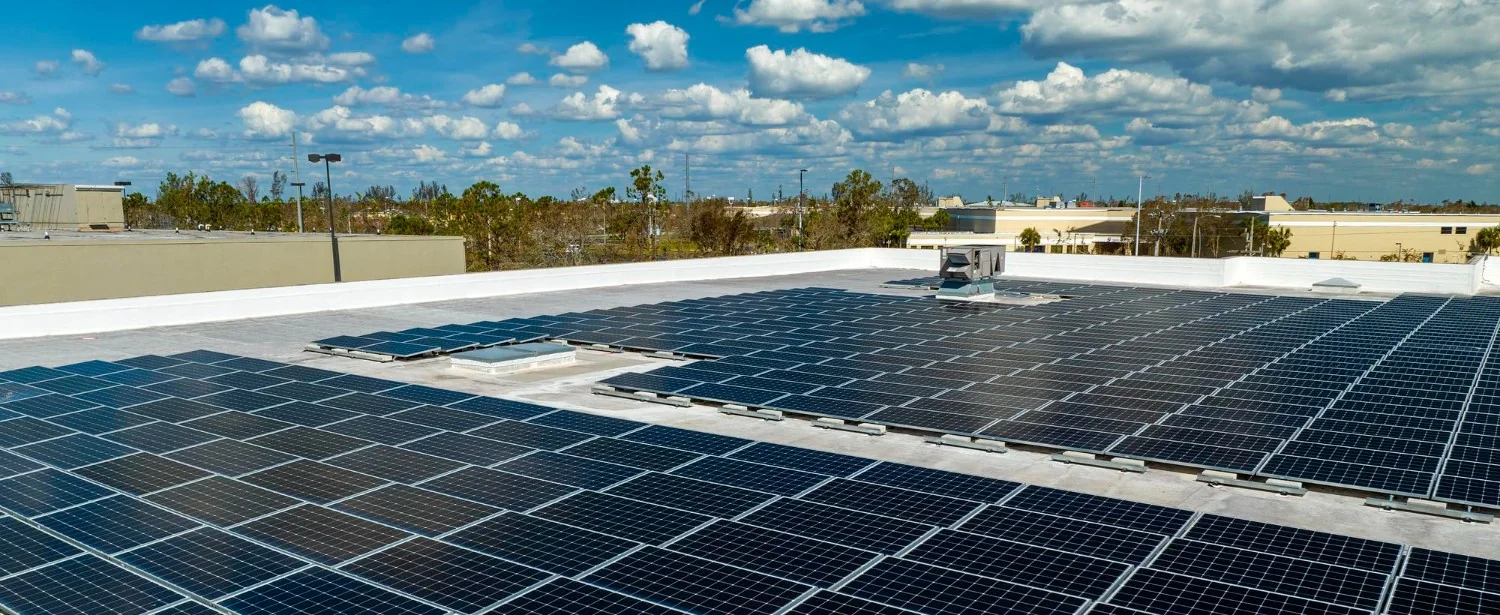
<ul><li><i>India’s rooftop solar capacity reached 30.7 GW in July 2026, increasing the need for better grid management and flexibility.</i></li><li><i>Kerala and Maharashtra are exploring battery ener…
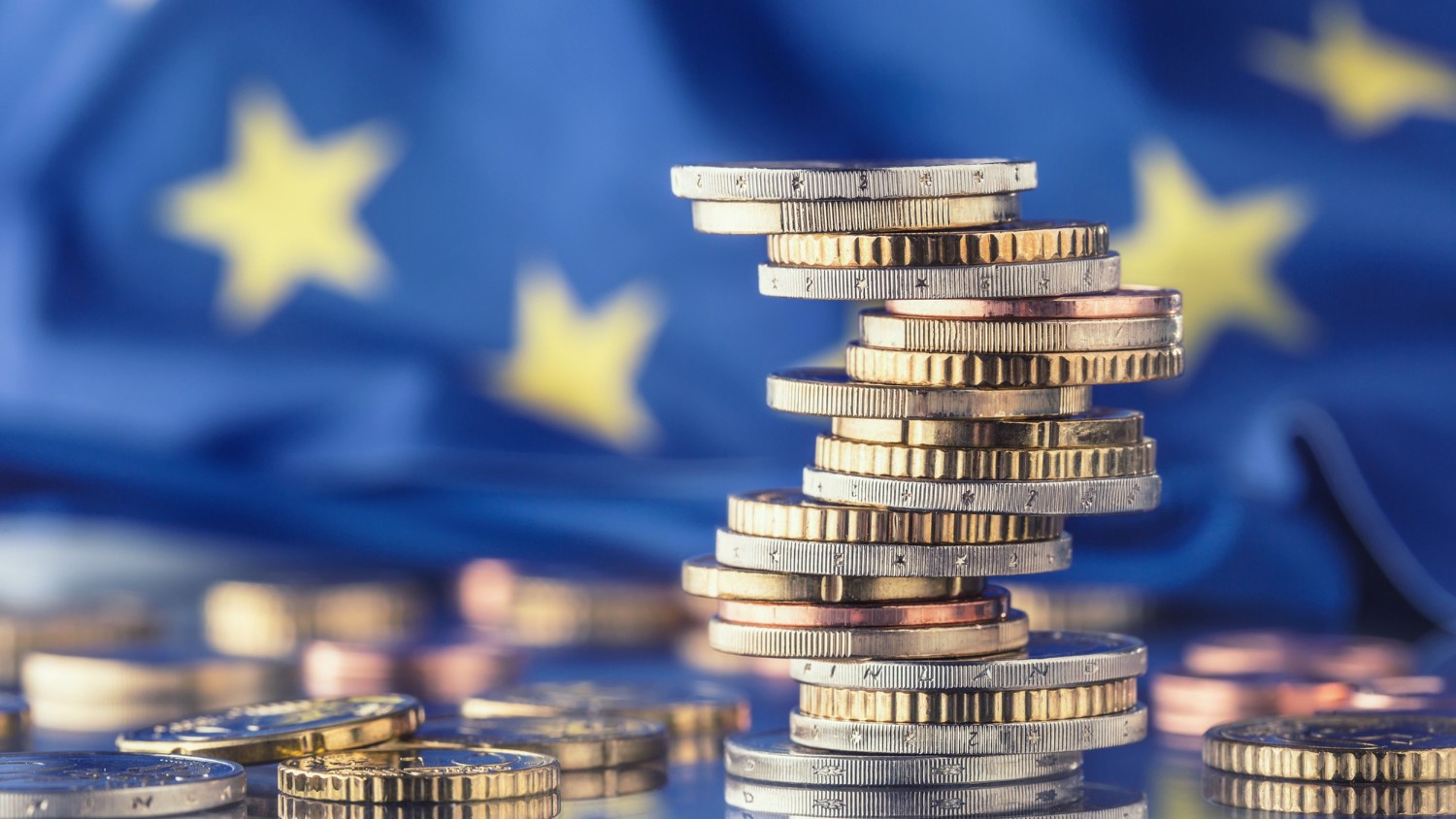
• 𝘛𝘩𝘦 𝘌𝘐𝘉 𝘎𝘳𝘰𝘶𝘱 𝘱𝘭𝘢𝘯𝘴 𝘵𝘰 𝘱𝘳𝘰𝘷𝘪𝘥𝘦 𝘢𝘵 𝘭𝘦𝘢𝘴𝘵 €30 𝘣𝘪𝘭𝘭𝘪𝘰𝘯 𝘧𝘰𝘳 𝘤𝘭𝘪𝘮𝘢𝘵𝘦 𝘢𝘥𝘢𝘱𝘵𝘢𝘵𝘪𝘰𝘯 𝘣𝘦𝘵𝘸𝘦𝘦𝘯 2026 𝘢𝘯𝘥 2030. • 𝘛𝘩𝘦 𝘯𝘦𝘸 𝘵𝘢𝘳𝘨𝘦𝘵 𝘥𝘰𝘶𝘣𝘭𝘦𝘴 𝘢𝘥𝘢𝘱𝘵𝘢𝘵𝘪𝘰𝘯 𝘧𝘪𝘯𝘢𝘯𝘤𝘪𝘯𝘨 𝘤𝘰𝘮𝘱𝘢𝘳𝘦𝘥 𝘸𝘪𝘵𝘩 𝘵𝘩𝘦 𝘱𝘳𝘦𝘷𝘪𝘰𝘶𝘴 𝘧𝘪𝘷𝘦-𝘺𝘦𝘢𝘳 𝘱𝘦𝘳𝘪𝘰𝘥. • 𝘍𝘶𝘯𝘥𝘪𝘯𝘨…