

.jpg)
21 August 2025
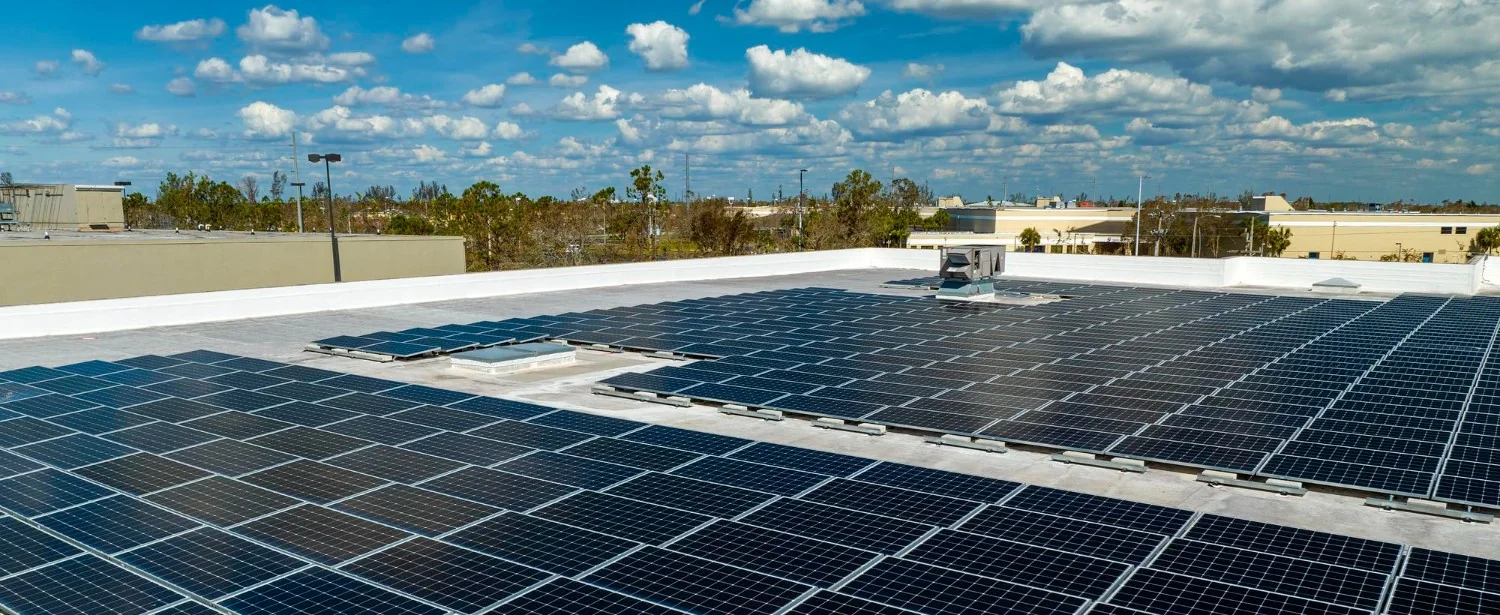
The U.S. is on track for a record-breaking year in solar energy, with developers expected to add 33 gigawatts (GW) of solar capacity in 2025, nearly half of all new electricity generation nationwide, according to the Energy Information Administration (EIA). If realized, this would mark the country’s largest-ever annual addition of large-scale solar power. Battery storage projects, which complement solar farms by storing excess energy, are also projected to hit record levels.
The surge in solar comes as states race to decarbonize their power grids and meet growing electricity demand from Big Tech and other expanding industries. Unlike fossil fuels, solar energy produces no greenhouse gas emissions, making it a cornerstone of climate and clean energy strategies.
Texas continues to lead the charge. After overtaking California in 2024 as the nation’s top solar state, the Lone Star State is set to add another 9.7 GW of solar this year, nearly half of all planned U.S. additions. Its abundant land, sunny climate, and rapidly rising power demand have made it the epicenter of the U.S. solar boom.
Still, uncertainty looms. Federal tax incentives that fueled solar’s rapid growth face rollback under the Trump administration, clouding long-term investment prospects.
33 GW of new solar capacity - nearly half of all new US electricity generation - combined with record battery-storage additions marks a genuine inflection point in US electricity-sector composition. Even under federal-policy pressure, market fundamentals continue to favour solar-plus-storage over alternative additions. Texas's 9.7 GW share (nearly half of national planned additions) reflects both resource endowment and rising demand.
The uncertainty around federal tax-credit rollbacks adds material risk to the medium-term investment case. Projects already under construction typically retain their incentive eligibility; new projects face materially different economics if credits are curtailed. State-level policies and corporate PPA demand remain the resilient demand base.
For solar developers, storage operators, industrial power buyers and financial institutions active in US clean-energy investment, Cognitud's market intelligence, responsible investment and energy transition teams help clients evaluate policy-risk exposure across federal and state jurisdictions, structure portfolios that reflect state-level economic resilience, and prepare disclosures aligned with TCFD, ISSB and jurisdictional frameworks that increasingly determine capital access in a volatile US policy environment.

• 𝘛𝘩𝘦 𝘜𝘈𝘌 𝘍𝘰𝘰𝘥 𝘉𝘢𝘯𝘬 𝘢𝘯𝘥 𝘋𝘶𝘣𝘢𝘪’𝘴 𝘊𝘰𝘮𝘮𝘶𝘯𝘪𝘵𝘺 𝘋𝘦𝘷𝘦𝘭𝘰𝘱𝘮𝘦𝘯𝘵 𝘈𝘶𝘵𝘩𝘰𝘳𝘪𝘵𝘺 (𝘊𝘋𝘈) 𝘩𝘢𝘷𝘦 𝘴𝘪𝘨𝘯𝘦𝘥 𝘢𝘯 𝘢𝘨𝘳𝘦𝘦𝘮𝘦𝘯𝘵 𝘵𝘰 𝘤𝘰𝘭𝘭𝘦𝘤𝘵 𝘢𝘯𝘥 𝘳𝘦𝘥𝘪𝘴𝘵𝘳𝘪𝘣𝘶𝘵𝘦 𝘴𝘶𝘳𝘱𝘭𝘶𝘴 𝘧𝘰𝘰𝘥 𝘧𝘳𝘰𝘮 𝘸𝘦𝘥𝘥𝘪𝘯𝘨𝘴 𝘢𝘯𝘥 𝘦𝘷𝘦𝘯𝘵𝘴. • 𝘛𝘩𝘦 𝘪𝘯𝘪𝘵𝘪𝘢𝘵𝘪𝘷𝘦 𝘸𝘪𝘭𝘭 𝘧𝘰𝘭𝘭𝘰𝘸 𝘢𝘱𝘱𝘳𝘰𝘷𝘦𝘥…
<ul><li><i>India’s rooftop solar capacity reached 30.7 GW in July 2026, increasing the need for better grid management and flexibility.</i></li><li><i>Kerala and Maharashtra are exploring battery ener…

• 𝘛𝘩𝘦 𝘌𝘐𝘉 𝘎𝘳𝘰𝘶𝘱 𝘱𝘭𝘢𝘯𝘴 𝘵𝘰 𝘱𝘳𝘰𝘷𝘪𝘥𝘦 𝘢𝘵 𝘭𝘦𝘢𝘴𝘵 €30 𝘣𝘪𝘭𝘭𝘪𝘰𝘯 𝘧𝘰𝘳 𝘤𝘭𝘪𝘮𝘢𝘵𝘦 𝘢𝘥𝘢𝘱𝘵𝘢𝘵𝘪𝘰𝘯 𝘣𝘦𝘵𝘸𝘦𝘦𝘯 2026 𝘢𝘯𝘥 2030. • 𝘛𝘩𝘦 𝘯𝘦𝘸 𝘵𝘢𝘳𝘨𝘦𝘵 𝘥𝘰𝘶𝘣𝘭𝘦𝘴 𝘢𝘥𝘢𝘱𝘵𝘢𝘵𝘪𝘰𝘯 𝘧𝘪𝘯𝘢𝘯𝘤𝘪𝘯𝘨 𝘤𝘰𝘮𝘱𝘢𝘳𝘦𝘥 𝘸𝘪𝘵𝘩 𝘵𝘩𝘦 𝘱𝘳𝘦𝘷𝘪𝘰𝘶𝘴 𝘧𝘪𝘷𝘦-𝘺𝘦𝘢𝘳 𝘱𝘦𝘳𝘪𝘰𝘥. • 𝘍𝘶𝘯𝘥𝘪𝘯𝘨…