

.jpg)
29 July 2025
Singapore’s domestic recycling rate dropped to a historic low in 2025, prompting industry experts to question the achievability of the city-state’s target to recycle 30 per cent of domestic waste by 2030. With the rate remaining at just 11 per cent, experts described the goal as overly ambitious and increasingly unrealistic, given the slow pace of progress.
The blue bin recycling system, introduced in 2011, continued to face challenges due to widespread misuse by residents who often treated the bins as general waste containers. This behaviour resulted in high contamination rates and diminished public trust in the recycling process, severely hampering efforts to improve the system’s effectiveness.
Observers noted that the government’s initiatives had fallen short of addressing the root causes behind low participation. They highlighted the need for stronger education campaigns, stricter enforcement, and upgraded infrastructure to support cleaner and more reliable recycling habits.
Experts ultimately urged for a reassessment of Singapore’s waste management strategy. They stressed the importance of setting realistic goals, improving public engagement, and implementing more effective measures to avoid missing the 2030 target and compromising long-term sustainability efforts.
The 11 percent domestic recycling rate versus 30 percent 2030 target is a substantial delivery gap. The identified friction - contamination from misuse of blue bins as general-waste containers - is a common pattern in voluntary curbside recycling systems globally. Behaviour-change interventions typically require sustained multi-year effort combined with enforcement to shift established patterns.
Singapore's introduction of the beverage-container Deposit Return Scheme addresses part of the problem for specific materials but does not resolve the broader household-waste stream challenge. Stronger education, clearer signage, targeted enforcement and infrastructure improvements will likely need to combine for meaningful progress.
For consumer-goods brands, retailers, waste-management operators and their CSR partners active in Singapore, Cognitud's circular economy, CSR and impact assessment teams help clients design household-behaviour-change programmes, structure supplier and consumer engagement on sustainable packaging, and prepare disclosures aligned with SDG 12, CDP Waste and Singapore-jurisdictional frameworks that increasingly determine reputational and regulatory positioning on packaging and waste sustainability.
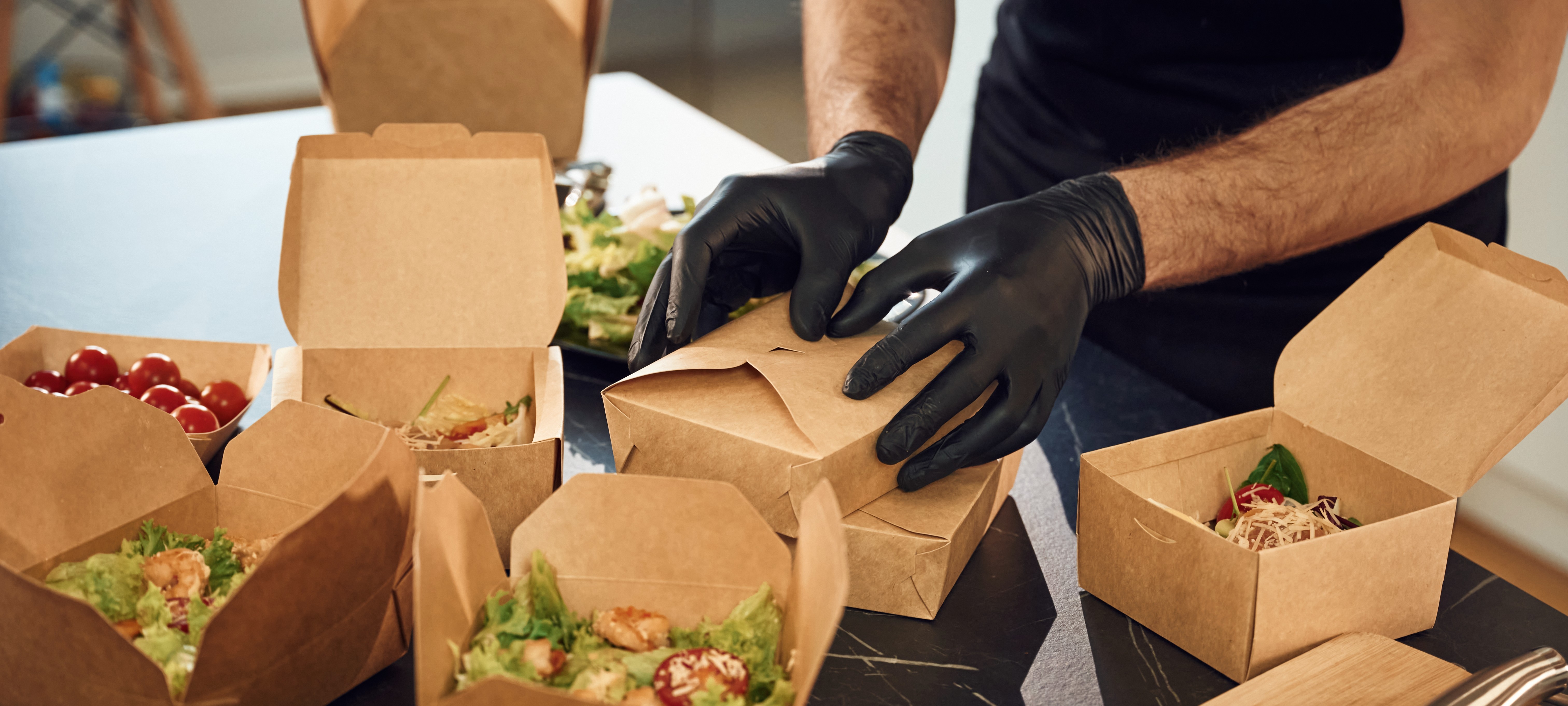
• 𝘛𝘩𝘦 𝘜𝘈𝘌 𝘍𝘰𝘰𝘥 𝘉𝘢𝘯𝘬 𝘢𝘯𝘥 𝘋𝘶𝘣𝘢𝘪’𝘴 𝘊𝘰𝘮𝘮𝘶𝘯𝘪𝘵𝘺 𝘋𝘦𝘷𝘦𝘭𝘰𝘱𝘮𝘦𝘯𝘵 𝘈𝘶𝘵𝘩𝘰𝘳𝘪𝘵𝘺 (𝘊𝘋𝘈) 𝘩𝘢𝘷𝘦 𝘴𝘪𝘨𝘯𝘦𝘥 𝘢𝘯 𝘢𝘨𝘳𝘦𝘦𝘮𝘦𝘯𝘵 𝘵𝘰 𝘤𝘰𝘭𝘭𝘦𝘤𝘵 𝘢𝘯𝘥 𝘳𝘦𝘥𝘪𝘴𝘵𝘳𝘪𝘣𝘶𝘵𝘦 𝘴𝘶𝘳𝘱𝘭𝘶𝘴 𝘧𝘰𝘰𝘥 𝘧𝘳𝘰𝘮 𝘸𝘦𝘥𝘥𝘪𝘯𝘨𝘴 𝘢𝘯𝘥 𝘦𝘷𝘦𝘯𝘵𝘴. • 𝘛𝘩𝘦 𝘪𝘯𝘪𝘵𝘪𝘢𝘵𝘪𝘷𝘦 𝘸𝘪𝘭𝘭 𝘧𝘰𝘭𝘭𝘰𝘸 𝘢𝘱𝘱𝘳𝘰𝘷𝘦𝘥…
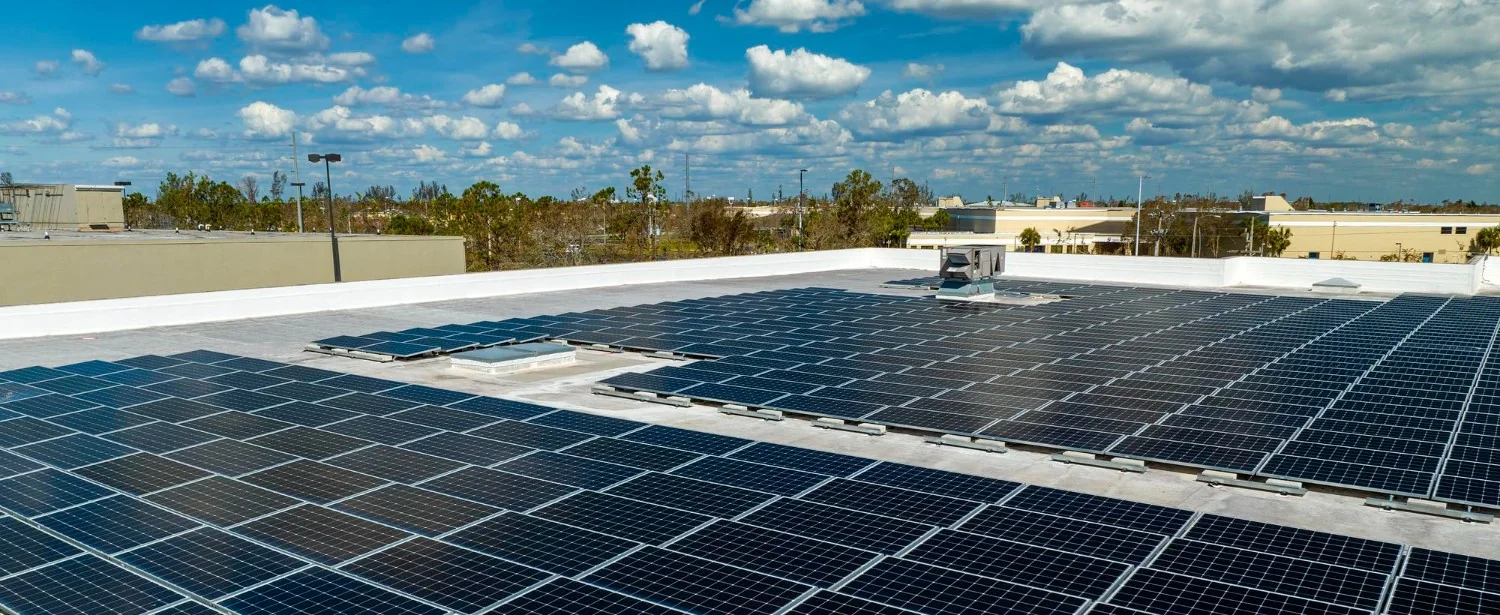
<ul><li><i>India’s rooftop solar capacity reached 30.7 GW in July 2026, increasing the need for better grid management and flexibility.</i></li><li><i>Kerala and Maharashtra are exploring battery ener…
• 𝘛𝘩𝘦 𝘌𝘐𝘉 𝘎𝘳𝘰𝘶𝘱 𝘱𝘭𝘢𝘯𝘴 𝘵𝘰 𝘱𝘳𝘰𝘷𝘪𝘥𝘦 𝘢𝘵 𝘭𝘦𝘢𝘴𝘵 €30 𝘣𝘪𝘭𝘭𝘪𝘰𝘯 𝘧𝘰𝘳 𝘤𝘭𝘪𝘮𝘢𝘵𝘦 𝘢𝘥𝘢𝘱𝘵𝘢𝘵𝘪𝘰𝘯 𝘣𝘦𝘵𝘸𝘦𝘦𝘯 2026 𝘢𝘯𝘥 2030. • 𝘛𝘩𝘦 𝘯𝘦𝘸 𝘵𝘢𝘳𝘨𝘦𝘵 𝘥𝘰𝘶𝘣𝘭𝘦𝘴 𝘢𝘥𝘢𝘱𝘵𝘢𝘵𝘪𝘰𝘯 𝘧𝘪𝘯𝘢𝘯𝘤𝘪𝘯𝘨 𝘤𝘰𝘮𝘱𝘢𝘳𝘦𝘥 𝘸𝘪𝘵𝘩 𝘵𝘩𝘦 𝘱𝘳𝘦𝘷𝘪𝘰𝘶𝘴 𝘧𝘪𝘷𝘦-𝘺𝘦𝘢𝘳 𝘱𝘦𝘳𝘪𝘰𝘥. • 𝘍𝘶𝘯𝘥𝘪𝘯𝘨…