

04 March 2026
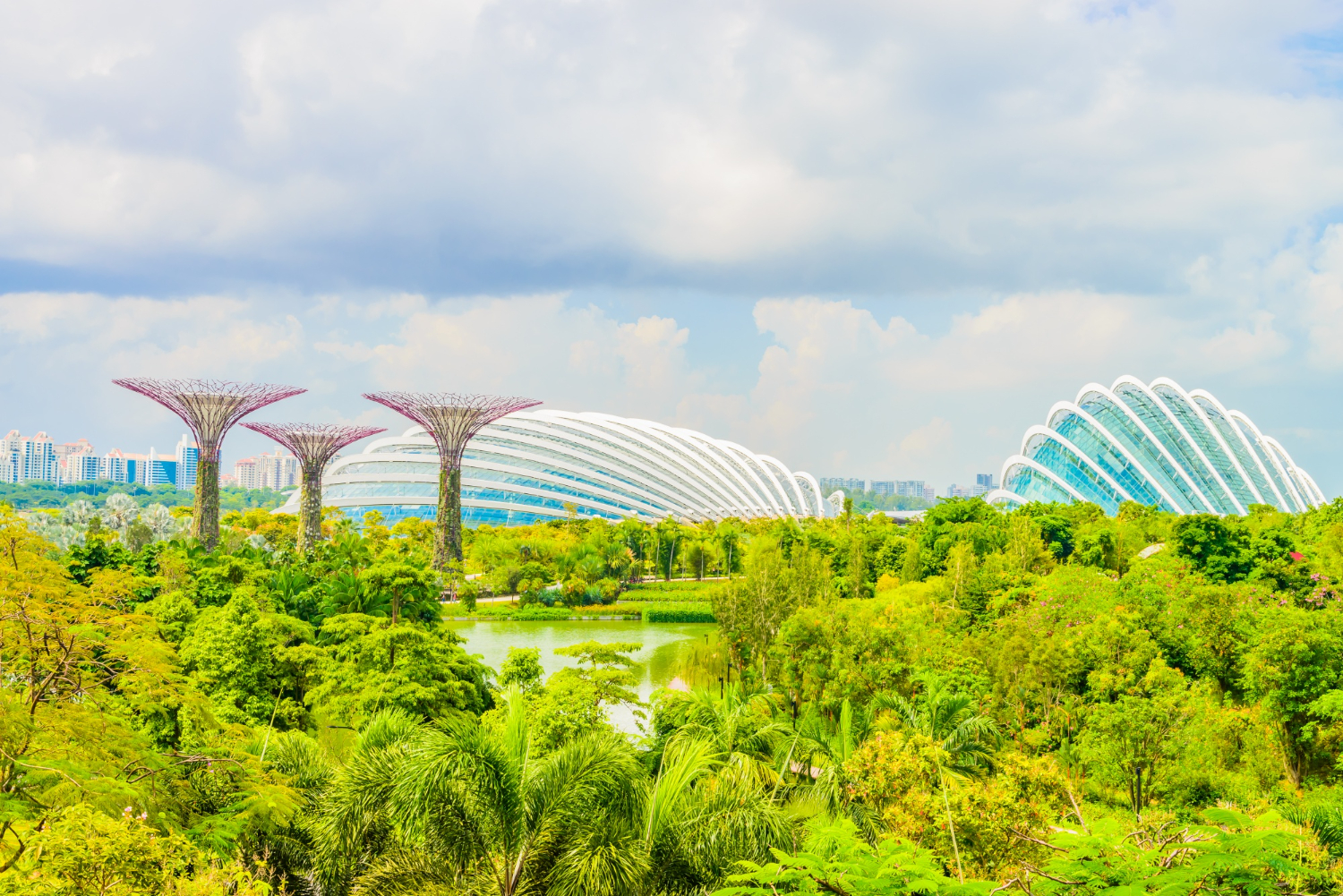
Singapore has announced a series of major park developments aimed at expanding urban green spaces and strengthening nature-based tourism. The initiative includes the creation of Wetlands by the Bay, a new nature attraction near Gardens by the Bay, along with upgrades to several parks in the city-state’s southwestern region to improve ecological conservation and visitor accessibility.
The Wetlands by the Bay project will transform part of the existing waterfront area into a natural habitat designed to support wetland biodiversity while offering visitors opportunities to experience local ecosystems up close. The development will feature boardwalks, observation areas, and educational spaces intended to raise awareness of wetland conservation and provide new recreation options for residents and tourists.
At the same time, authorities plan to enhance southwestern green spaces such as West Coast Park and Pasir Panjang Park. Improvements will focus on restoring natural habitats, strengthening ecological connectivity between parks, and upgrading facilities to make the areas more accessible and engaging for visitors.
The projects form part of Singapore’s broader strategy to integrate biodiversity conservation with urban development. By expanding accessible green spaces and improving nature experiences within the city, the initiative aims to promote sustainable tourism while enhancing environmental resilience and quality of life for residents.
Wetlands by the Bay plus West Coast Park and Pasir Panjang Park upgrades reflect Singapore's continued investment in urban-nature integration. Wetland habitat with visitor access combines biodiversity conservation, urban-cooling ecosystem services, flood-management function and eco-tourism revenue into single infrastructure - the multi-benefit design that constrained-urban-space development requires.
The ecological-connectivity focus across southwestern green spaces is analytically important. Isolated urban parks provide limited biodiversity value; connected green corridors enable species movement, genetic flow and ecosystem resilience at meaningful scale. Well-designed corridor architecture delivers substantially more biodiversity outcome than equivalent uncoordinated investment.
For destination operators, hospitality companies, ecosystem-restoration technology providers and financial institutions supporting Singapore sustainable-tourism investment, Cognitud's nature-based solutions, climate action and impact assessment teams help clients evaluate nature-tourism and urban-greening investment opportunities, structure long-term commercial arrangements aligned with biodiversity-integration priorities, and prepare disclosures aligned with GSTC, TNFD, ISSB and jurisdictional sustainable-tourism-and-biodiversity frameworks.

• 𝘛𝘩𝘦 𝘜𝘈𝘌 𝘍𝘰𝘰𝘥 𝘉𝘢𝘯𝘬 𝘢𝘯𝘥 𝘋𝘶𝘣𝘢𝘪’𝘴 𝘊𝘰𝘮𝘮𝘶𝘯𝘪𝘵𝘺 𝘋𝘦𝘷𝘦𝘭𝘰𝘱𝘮𝘦𝘯𝘵 𝘈𝘶𝘵𝘩𝘰𝘳𝘪𝘵𝘺 (𝘊𝘋𝘈) 𝘩𝘢𝘷𝘦 𝘴𝘪𝘨𝘯𝘦𝘥 𝘢𝘯 𝘢𝘨𝘳𝘦𝘦𝘮𝘦𝘯𝘵 𝘵𝘰 𝘤𝘰𝘭𝘭𝘦𝘤𝘵 𝘢𝘯𝘥 𝘳𝘦𝘥𝘪𝘴𝘵𝘳𝘪𝘣𝘶𝘵𝘦 𝘴𝘶𝘳𝘱𝘭𝘶𝘴 𝘧𝘰𝘰𝘥 𝘧𝘳𝘰𝘮 𝘸𝘦𝘥𝘥𝘪𝘯𝘨𝘴 𝘢𝘯𝘥 𝘦𝘷𝘦𝘯𝘵𝘴. • 𝘛𝘩𝘦 𝘪𝘯𝘪𝘵𝘪𝘢𝘵𝘪𝘷𝘦 𝘸𝘪𝘭𝘭 𝘧𝘰𝘭𝘭𝘰𝘸 𝘢𝘱𝘱𝘳𝘰𝘷𝘦𝘥…

<ul><li><i>India’s rooftop solar capacity reached 30.7 GW in July 2026, increasing the need for better grid management and flexibility.</i></li><li><i>Kerala and Maharashtra are exploring battery ener…

• 𝘛𝘩𝘦 𝘌𝘐𝘉 𝘎𝘳𝘰𝘶𝘱 𝘱𝘭𝘢𝘯𝘴 𝘵𝘰 𝘱𝘳𝘰𝘷𝘪𝘥𝘦 𝘢𝘵 𝘭𝘦𝘢𝘴𝘵 €30 𝘣𝘪𝘭𝘭𝘪𝘰𝘯 𝘧𝘰𝘳 𝘤𝘭𝘪𝘮𝘢𝘵𝘦 𝘢𝘥𝘢𝘱𝘵𝘢𝘵𝘪𝘰𝘯 𝘣𝘦𝘵𝘸𝘦𝘦𝘯 2026 𝘢𝘯𝘥 2030. • 𝘛𝘩𝘦 𝘯𝘦𝘸 𝘵𝘢𝘳𝘨𝘦𝘵 𝘥𝘰𝘶𝘣𝘭𝘦𝘴 𝘢𝘥𝘢𝘱𝘵𝘢𝘵𝘪𝘰𝘯 𝘧𝘪𝘯𝘢𝘯𝘤𝘪𝘯𝘨 𝘤𝘰𝘮𝘱𝘢𝘳𝘦𝘥 𝘸𝘪𝘵𝘩 𝘵𝘩𝘦 𝘱𝘳𝘦𝘷𝘪𝘰𝘶𝘴 𝘧𝘪𝘷𝘦-𝘺𝘦𝘢𝘳 𝘱𝘦𝘳𝘪𝘰𝘥. • 𝘍𝘶𝘯𝘥𝘪𝘯𝘨…