

05 January 2026
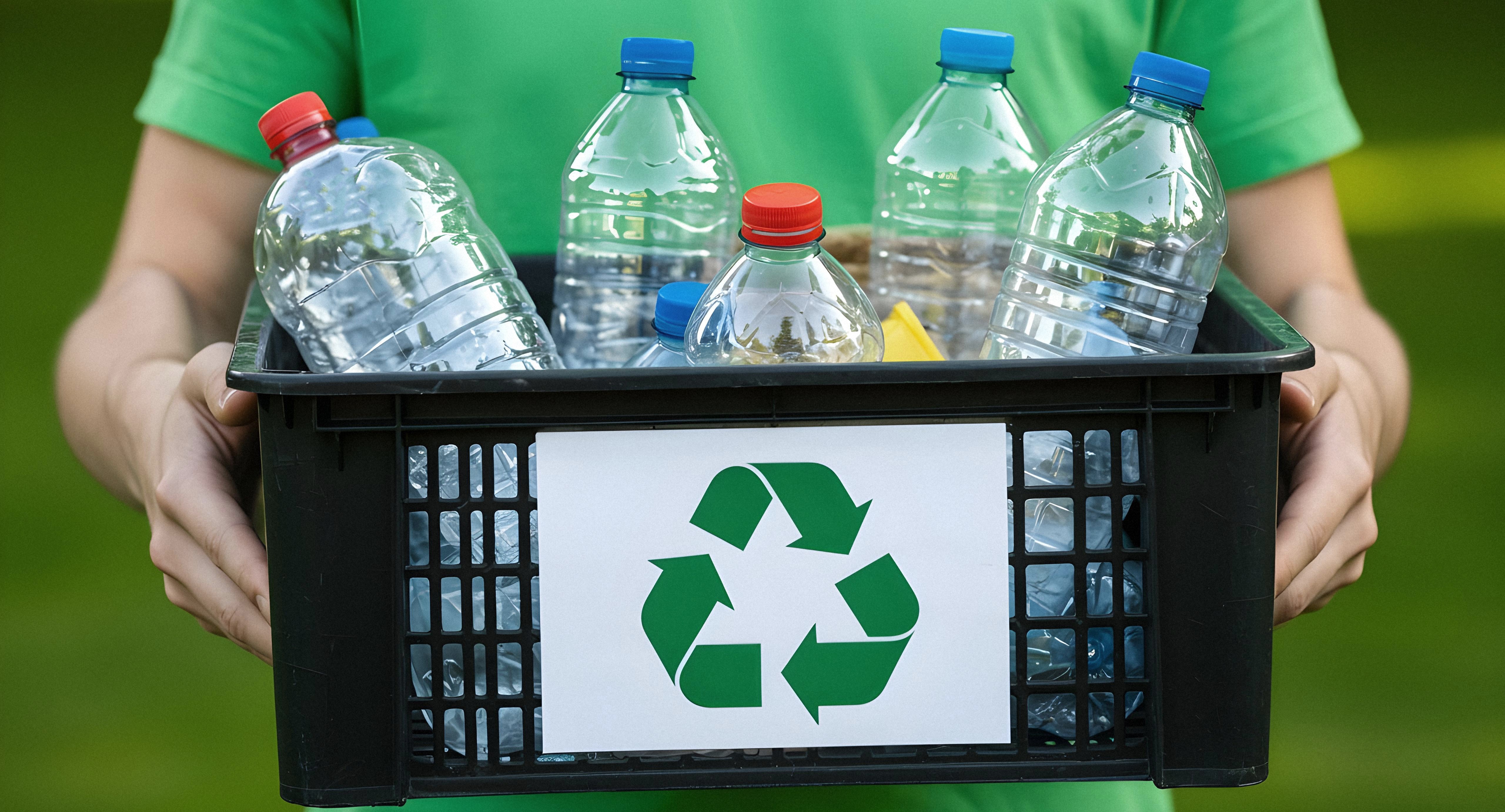
Singapore announced that it will implement a Beverage Container Return Scheme (BCRS) beginning 1 April 2026, introducing a refundable S$0.10 deposit on eligible bottled and canned drinks. The scheme is part of the city‑state’s broader strategy to strengthen recycling outcomes, reduce waste and move closer to its circular economy goals.
Under the programme, consumers will pay the deposit at the time of purchase and can reclaim it when they return empty containers to designated collection points, including reverse vending machines and other return stations across the island.
Authorities also confirmed that the scheme will include a transition period running from 1 April to 30 September 2026 to allow beverage producers and retailers time to clear existing stock that does not carry the required deposit mark and refund eligibility.
During this period, consumers may encounter a mix of products with and without the refundable deposit, but from 1 October 2026 onward, all regulated beverage containers sold in Singapore will be required to carry the deposit mark and qualify for refunds upon return.
The introduction of the deposit‑refund requirement reflects Singapore’s ambition to improve resource efficiency and foster sustainable consumption habits. Officials have highlighted that similar systems in other countries have helped boost recycling rates and reduce litter by creating a direct financial incentive for returning containers.
The scheme aims to tackle the environmental challenges associated with single‑use packaging and divert a significant volume of containers away from waste streams and landfills.
Government representatives have stated that greater public participation in the BCRS will support national sustainability objectives while encouraging responsible behaviour and enhanced waste management. The success of the initiative is expected to depend on widespread use of return points and consumer awareness, with authorities planning ongoing engagement and education to promote the benefits of recycling under the new framework.
Deposit-refund schemes are exactly the mechanism that shifts consumer packaging from linear to circular, and they change EPR economics for beverage brands, retailers and manufacturers in ways that recycled-content targets alone don't. Our circular-economy and sustainability-due-diligence teams help clients evaluate what these schemes mean for packaging strategy and disclosure.

• 𝘛𝘩𝘦 𝘜𝘈𝘌 𝘍𝘰𝘰𝘥 𝘉𝘢𝘯𝘬 𝘢𝘯𝘥 𝘋𝘶𝘣𝘢𝘪’𝘴 𝘊𝘰𝘮𝘮𝘶𝘯𝘪𝘵𝘺 𝘋𝘦𝘷𝘦𝘭𝘰𝘱𝘮𝘦𝘯𝘵 𝘈𝘶𝘵𝘩𝘰𝘳𝘪𝘵𝘺 (𝘊𝘋𝘈) 𝘩𝘢𝘷𝘦 𝘴𝘪𝘨𝘯𝘦𝘥 𝘢𝘯 𝘢𝘨𝘳𝘦𝘦𝘮𝘦𝘯𝘵 𝘵𝘰 𝘤𝘰𝘭𝘭𝘦𝘤𝘵 𝘢𝘯𝘥 𝘳𝘦𝘥𝘪𝘴𝘵𝘳𝘪𝘣𝘶𝘵𝘦 𝘴𝘶𝘳𝘱𝘭𝘶𝘴 𝘧𝘰𝘰𝘥 𝘧𝘳𝘰𝘮 𝘸𝘦𝘥𝘥𝘪𝘯𝘨𝘴 𝘢𝘯𝘥 𝘦𝘷𝘦𝘯𝘵𝘴. • 𝘛𝘩𝘦 𝘪𝘯𝘪𝘵𝘪𝘢𝘵𝘪𝘷𝘦 𝘸𝘪𝘭𝘭 𝘧𝘰𝘭𝘭𝘰𝘸 𝘢𝘱𝘱𝘳𝘰𝘷𝘦𝘥…

<ul><li><i>India’s rooftop solar capacity reached 30.7 GW in July 2026, increasing the need for better grid management and flexibility.</i></li><li><i>Kerala and Maharashtra are exploring battery ener…

• 𝘛𝘩𝘦 𝘌𝘐𝘉 𝘎𝘳𝘰𝘶𝘱 𝘱𝘭𝘢𝘯𝘴 𝘵𝘰 𝘱𝘳𝘰𝘷𝘪𝘥𝘦 𝘢𝘵 𝘭𝘦𝘢𝘴𝘵 €30 𝘣𝘪𝘭𝘭𝘪𝘰𝘯 𝘧𝘰𝘳 𝘤𝘭𝘪𝘮𝘢𝘵𝘦 𝘢𝘥𝘢𝘱𝘵𝘢𝘵𝘪𝘰𝘯 𝘣𝘦𝘵𝘸𝘦𝘦𝘯 2026 𝘢𝘯𝘥 2030. • 𝘛𝘩𝘦 𝘯𝘦𝘸 𝘵𝘢𝘳𝘨𝘦𝘵 𝘥𝘰𝘶𝘣𝘭𝘦𝘴 𝘢𝘥𝘢𝘱𝘵𝘢𝘵𝘪𝘰𝘯 𝘧𝘪𝘯𝘢𝘯𝘤𝘪𝘯𝘨 𝘤𝘰𝘮𝘱𝘢𝘳𝘦𝘥 𝘸𝘪𝘵𝘩 𝘵𝘩𝘦 𝘱𝘳𝘦𝘷𝘪𝘰𝘶𝘴 𝘧𝘪𝘷𝘦-𝘺𝘦𝘢𝘳 𝘱𝘦𝘳𝘪𝘰𝘥. • 𝘍𝘶𝘯𝘥𝘪𝘯𝘨…