


21 October 2025
The governments of Singapore and Thailand have announced major steps in accelerating the adoption of sustainable aviation fuel (SAF) as part of their aviation-decarbonisation strategies. Singapore’s new policy includes a fixed levy on departing flights aimed at funding SAF procurement and signalling a national target of 1 % SAF usage by 2026 rising to 3-5 % by 2030.
In parallel, Thailand is moving to establish its first national standard for SAF specifications, effective from January 1 next year, which will help ensure production and imports meet safety, quality and sustainability criteria.
Together, these efforts reflect broader regional ambition: Southeast Asia’s feedstock potential and strategic position mean it could supply about 12 % of global SAF demand by 2050, offering both climate-impact and economic opportunity.
Aviation is one of the harder-to-abate sectors, with sustainable aviation fuel considered the most credible near-term pathway to material Scope 3 emissions reductions for airlines and their corporate customers. Singapore's fixed-levy funding model and Thailand's move to a national SAF standard represent two of the more concrete SAF policies in the Asia-Pacific to date.
Southeast Asia's feedstock endowment - used cooking oil, palm-industry residues, agricultural waste streams - positions the region as a potential major supplier in a global SAF market that still faces significant supply constraints. The 12 percent global demand share cited for 2050 is achievable only if feedstock traceability, sustainability certification and lifecycle emissions accounting develop in parallel with production capacity.
For airlines, freight forwarders and corporate travel buyers, SAF is quickly moving from voluntary offset conversation to procurement decision. Cognitud's climate action, supply chain and operations, and sustainability due diligence teams help aviation-value-chain clients structure SAF sourcing strategies, model book-and-claim vs physical-supply trade-offs, and disclose progress against IATA, CORSIA and internal net-zero commitments in a way that stands up to investor and regulator scrutiny.

• 𝘛𝘩𝘦 𝘜𝘈𝘌 𝘍𝘰𝘰𝘥 𝘉𝘢𝘯𝘬 𝘢𝘯𝘥 𝘋𝘶𝘣𝘢𝘪’𝘴 𝘊𝘰𝘮𝘮𝘶𝘯𝘪𝘵𝘺 𝘋𝘦𝘷𝘦𝘭𝘰𝘱𝘮𝘦𝘯𝘵 𝘈𝘶𝘵𝘩𝘰𝘳𝘪𝘵𝘺 (𝘊𝘋𝘈) 𝘩𝘢𝘷𝘦 𝘴𝘪𝘨𝘯𝘦𝘥 𝘢𝘯 𝘢𝘨𝘳𝘦𝘦𝘮𝘦𝘯𝘵 𝘵𝘰 𝘤𝘰𝘭𝘭𝘦𝘤𝘵 𝘢𝘯𝘥 𝘳𝘦𝘥𝘪𝘴𝘵𝘳𝘪𝘣𝘶𝘵𝘦 𝘴𝘶𝘳𝘱𝘭𝘶𝘴 𝘧𝘰𝘰𝘥 𝘧𝘳𝘰𝘮 𝘸𝘦𝘥𝘥𝘪𝘯𝘨𝘴 𝘢𝘯𝘥 𝘦𝘷𝘦𝘯𝘵𝘴. • 𝘛𝘩𝘦 𝘪𝘯𝘪𝘵𝘪𝘢𝘵𝘪𝘷𝘦 𝘸𝘪𝘭𝘭 𝘧𝘰𝘭𝘭𝘰𝘸 𝘢𝘱𝘱𝘳𝘰𝘷𝘦𝘥…
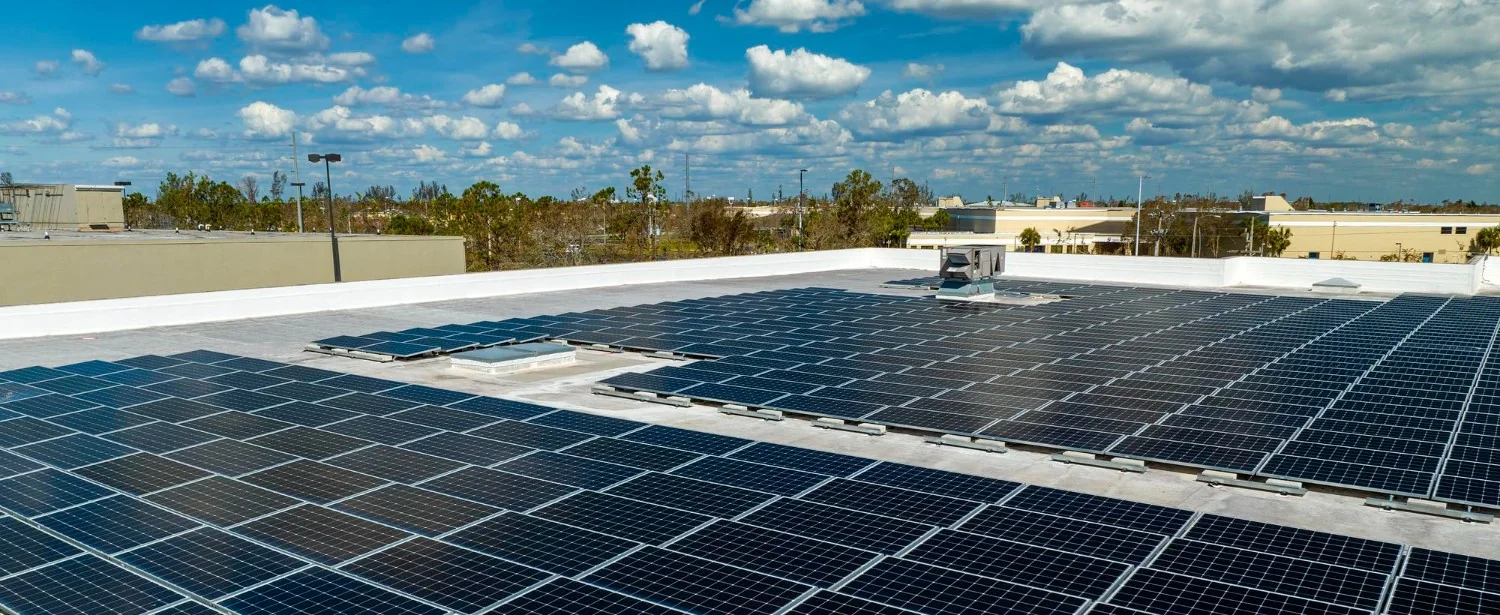
<ul><li><i>India’s rooftop solar capacity reached 30.7 GW in July 2026, increasing the need for better grid management and flexibility.</i></li><li><i>Kerala and Maharashtra are exploring battery ener…

• 𝘛𝘩𝘦 𝘌𝘐𝘉 𝘎𝘳𝘰𝘶𝘱 𝘱𝘭𝘢𝘯𝘴 𝘵𝘰 𝘱𝘳𝘰𝘷𝘪𝘥𝘦 𝘢𝘵 𝘭𝘦𝘢𝘴𝘵 €30 𝘣𝘪𝘭𝘭𝘪𝘰𝘯 𝘧𝘰𝘳 𝘤𝘭𝘪𝘮𝘢𝘵𝘦 𝘢𝘥𝘢𝘱𝘵𝘢𝘵𝘪𝘰𝘯 𝘣𝘦𝘵𝘸𝘦𝘦𝘯 2026 𝘢𝘯𝘥 2030. • 𝘛𝘩𝘦 𝘯𝘦𝘸 𝘵𝘢𝘳𝘨𝘦𝘵 𝘥𝘰𝘶𝘣𝘭𝘦𝘴 𝘢𝘥𝘢𝘱𝘵𝘢𝘵𝘪𝘰𝘯 𝘧𝘪𝘯𝘢𝘯𝘤𝘪𝘯𝘨 𝘤𝘰𝘮𝘱𝘢𝘳𝘦𝘥 𝘸𝘪𝘵𝘩 𝘵𝘩𝘦 𝘱𝘳𝘦𝘷𝘪𝘰𝘶𝘴 𝘧𝘪𝘷𝘦-𝘺𝘦𝘢𝘳 𝘱𝘦𝘳𝘪𝘰𝘥. • 𝘍𝘶𝘯𝘥𝘪𝘯𝘨…