

08 February 2026
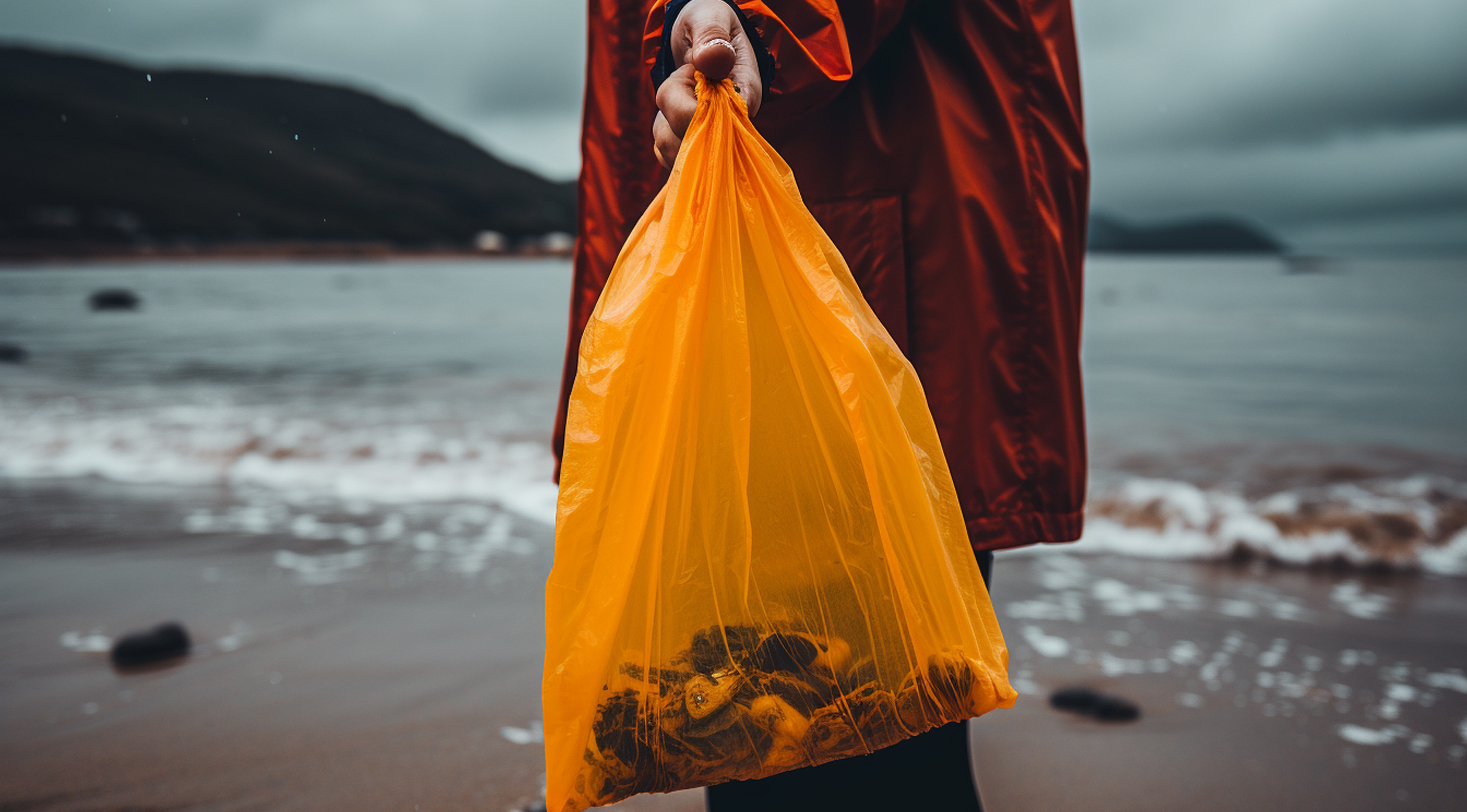
More than two years after its introduction in July 2023, Singapore’s mandatory 5-cent plastic bag charge has generated millions of dollars in revenue, intended to support environmental and social causes. The policy, overseen by the National Environment Agency (NEA), requires large supermarket operators to charge customers for disposable carrier bags as part of the country’s broader push to reduce single-use plastics and encourage sustainable consumption habits.
On February 8, 2026, attention turned to how these funds are being allocated, after the Singapore Environment Council (SEC) raised concerns about spending transparency. SEC Executive Director Cheang Kok Chung questioned whether portions of the collected revenue were being directed toward internal operational expenses - including infrastructure upgrades - rather than community or environmental initiatives, as many members of the public had expected.
Supermarket operators including FairPrice, Sheng Siong, Cold Storage, and Giant have collectively reported raising substantial sums since the levy began. While some funds have gone toward donations and sustainability programmes, scrutiny has intensified over whether certain expenditures align with the original environmental intent of the charge. The debate highlights growing public demand for accountability in how environmental levies are managed.
The discussion underscores a broader sustainability challenge: ensuring that policy tools designed to reduce waste not only change consumer behaviour but also deliver measurable environmental impact. As Singapore continues strengthening its waste-reduction and circular economy efforts, transparency in the management of such initiatives will likely remain under close public and regulatory review.
Levy-transparency scrutiny is where consumer trust in EPR-style mechanisms gets built or broken, and how Singapore handles this shapes what other jurisdictions can learn about designing credible levies. Our circular-economy and ESG-strategy teams help retailers and consumer-goods brands evaluate what these evolving mechanisms mean for their compliance planning.

• 𝘛𝘩𝘦 𝘜𝘈𝘌 𝘍𝘰𝘰𝘥 𝘉𝘢𝘯𝘬 𝘢𝘯𝘥 𝘋𝘶𝘣𝘢𝘪’𝘴 𝘊𝘰𝘮𝘮𝘶𝘯𝘪𝘵𝘺 𝘋𝘦𝘷𝘦𝘭𝘰𝘱𝘮𝘦𝘯𝘵 𝘈𝘶𝘵𝘩𝘰𝘳𝘪𝘵𝘺 (𝘊𝘋𝘈) 𝘩𝘢𝘷𝘦 𝘴𝘪𝘨𝘯𝘦𝘥 𝘢𝘯 𝘢𝘨𝘳𝘦𝘦𝘮𝘦𝘯𝘵 𝘵𝘰 𝘤𝘰𝘭𝘭𝘦𝘤𝘵 𝘢𝘯𝘥 𝘳𝘦𝘥𝘪𝘴𝘵𝘳𝘪𝘣𝘶𝘵𝘦 𝘴𝘶𝘳𝘱𝘭𝘶𝘴 𝘧𝘰𝘰𝘥 𝘧𝘳𝘰𝘮 𝘸𝘦𝘥𝘥𝘪𝘯𝘨𝘴 𝘢𝘯𝘥 𝘦𝘷𝘦𝘯𝘵𝘴. • 𝘛𝘩𝘦 𝘪𝘯𝘪𝘵𝘪𝘢𝘵𝘪𝘷𝘦 𝘸𝘪𝘭𝘭 𝘧𝘰𝘭𝘭𝘰𝘸 𝘢𝘱𝘱𝘳𝘰𝘷𝘦𝘥…
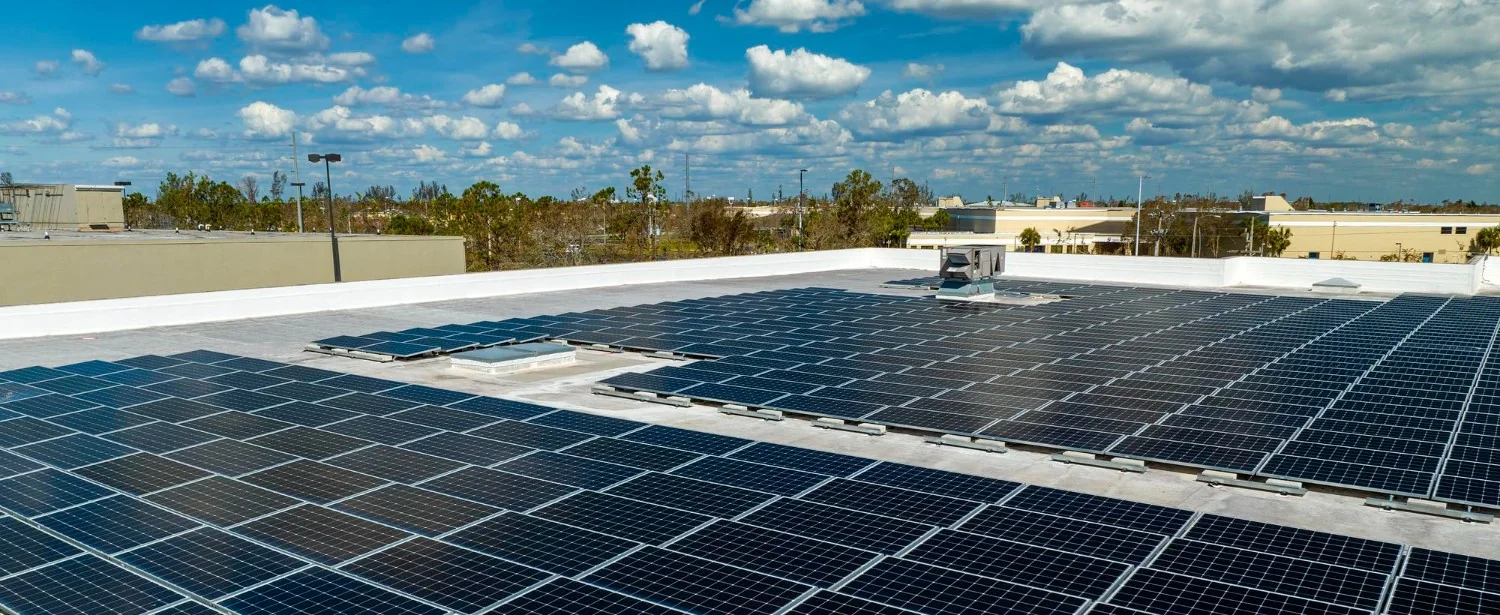
<ul><li><i>India’s rooftop solar capacity reached 30.7 GW in July 2026, increasing the need for better grid management and flexibility.</i></li><li><i>Kerala and Maharashtra are exploring battery ener…
• 𝘛𝘩𝘦 𝘌𝘐𝘉 𝘎𝘳𝘰𝘶𝘱 𝘱𝘭𝘢𝘯𝘴 𝘵𝘰 𝘱𝘳𝘰𝘷𝘪𝘥𝘦 𝘢𝘵 𝘭𝘦𝘢𝘴𝘵 €30 𝘣𝘪𝘭𝘭𝘪𝘰𝘯 𝘧𝘰𝘳 𝘤𝘭𝘪𝘮𝘢𝘵𝘦 𝘢𝘥𝘢𝘱𝘵𝘢𝘵𝘪𝘰𝘯 𝘣𝘦𝘵𝘸𝘦𝘦𝘯 2026 𝘢𝘯𝘥 2030. • 𝘛𝘩𝘦 𝘯𝘦𝘸 𝘵𝘢𝘳𝘨𝘦𝘵 𝘥𝘰𝘶𝘣𝘭𝘦𝘴 𝘢𝘥𝘢𝘱𝘵𝘢𝘵𝘪𝘰𝘯 𝘧𝘪𝘯𝘢𝘯𝘤𝘪𝘯𝘨 𝘤𝘰𝘮𝘱𝘢𝘳𝘦𝘥 𝘸𝘪𝘵𝘩 𝘵𝘩𝘦 𝘱𝘳𝘦𝘷𝘪𝘰𝘶𝘴 𝘧𝘪𝘷𝘦-𝘺𝘦𝘢𝘳 𝘱𝘦𝘳𝘪𝘰𝘥. • 𝘍𝘶𝘯𝘥𝘪𝘯𝘨…