

21 April 2026
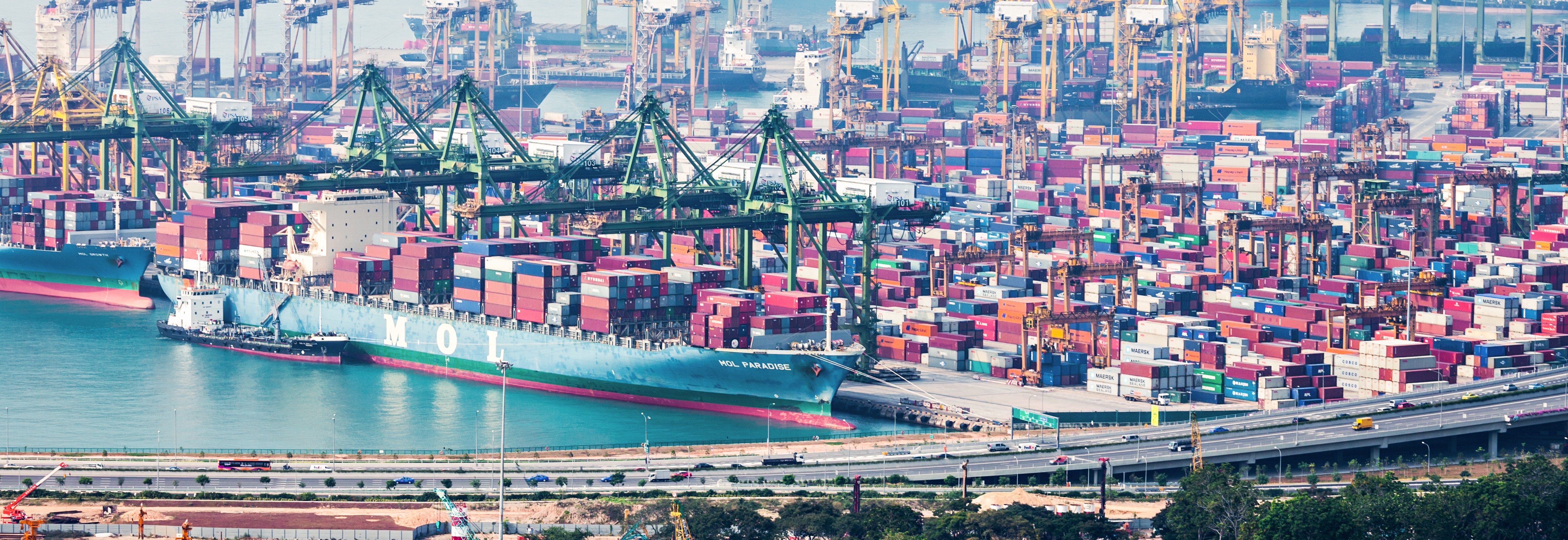
Singapore, April 20: The Maritime and Port Authority of Singapore, the Port of Los Angeles, and the Port of Long Beach have renewed their Green and Digital Shipping Corridor agreement for another three years, reinforcing efforts to decarbonise one of the world’s busiest trade routes.
First launched in 2023, the partnership focuses on accelerating the adoption of low- and zero-emission fuels while enhancing digital connectivity across the trans-Pacific corridor. Since its inception, the initiative has made steady progress, including completing a baseline study, onboarding industry partners, and initiating pilot projects in alternative fuels, energy efficiency, and digitalisation.
Key developments include advancements in methanol bunkering capabilities. Singapore has already conducted methanol bunkering trials and issued supply licences, while Los Angeles and Long Beach are preparing for similar pilot projects in 2026. The ports have also begun testing port-to-port data exchange systems to improve operational efficiency and supply chain resilience.
Under the renewed agreement, partners will continue collaborating with industry stakeholders to scale clean fuel infrastructure, develop pilot projects, and strengthen digital standards, cybersecurity, and interoperability. The long-term goal includes deploying zero lifecycle carbon container ships along the corridor by 2030.
The initiative highlights growing international cooperation to reduce maritime emissions while supporting trade, energy security, and resilient global supply chains.
Green shipping corridors are quietly becoming the practical mechanism for shipping decarbonization - real-vessel deployment on defined routes rather than just target-setting. Our energy-transition and supply-chain-and-operations teams help shipping lines, ports and cargo owners evaluate participation in these corridors and what it means for CII scores, IMO compliance and Scope 3 transport emissions.

• 𝘛𝘩𝘦 𝘜𝘈𝘌 𝘍𝘰𝘰𝘥 𝘉𝘢𝘯𝘬 𝘢𝘯𝘥 𝘋𝘶𝘣𝘢𝘪’𝘴 𝘊𝘰𝘮𝘮𝘶𝘯𝘪𝘵𝘺 𝘋𝘦𝘷𝘦𝘭𝘰𝘱𝘮𝘦𝘯𝘵 𝘈𝘶𝘵𝘩𝘰𝘳𝘪𝘵𝘺 (𝘊𝘋𝘈) 𝘩𝘢𝘷𝘦 𝘴𝘪𝘨𝘯𝘦𝘥 𝘢𝘯 𝘢𝘨𝘳𝘦𝘦𝘮𝘦𝘯𝘵 𝘵𝘰 𝘤𝘰𝘭𝘭𝘦𝘤𝘵 𝘢𝘯𝘥 𝘳𝘦𝘥𝘪𝘴𝘵𝘳𝘪𝘣𝘶𝘵𝘦 𝘴𝘶𝘳𝘱𝘭𝘶𝘴 𝘧𝘰𝘰𝘥 𝘧𝘳𝘰𝘮 𝘸𝘦𝘥𝘥𝘪𝘯𝘨𝘴 𝘢𝘯𝘥 𝘦𝘷𝘦𝘯𝘵𝘴. • 𝘛𝘩𝘦 𝘪𝘯𝘪𝘵𝘪𝘢𝘵𝘪𝘷𝘦 𝘸𝘪𝘭𝘭 𝘧𝘰𝘭𝘭𝘰𝘸 𝘢𝘱𝘱𝘳𝘰𝘷𝘦𝘥…

<ul><li><i>India’s rooftop solar capacity reached 30.7 GW in July 2026, increasing the need for better grid management and flexibility.</i></li><li><i>Kerala and Maharashtra are exploring battery ener…

• 𝘛𝘩𝘦 𝘌𝘐𝘉 𝘎𝘳𝘰𝘶𝘱 𝘱𝘭𝘢𝘯𝘴 𝘵𝘰 𝘱𝘳𝘰𝘷𝘪𝘥𝘦 𝘢𝘵 𝘭𝘦𝘢𝘴𝘵 €30 𝘣𝘪𝘭𝘭𝘪𝘰𝘯 𝘧𝘰𝘳 𝘤𝘭𝘪𝘮𝘢𝘵𝘦 𝘢𝘥𝘢𝘱𝘵𝘢𝘵𝘪𝘰𝘯 𝘣𝘦𝘵𝘸𝘦𝘦𝘯 2026 𝘢𝘯𝘥 2030. • 𝘛𝘩𝘦 𝘯𝘦𝘸 𝘵𝘢𝘳𝘨𝘦𝘵 𝘥𝘰𝘶𝘣𝘭𝘦𝘴 𝘢𝘥𝘢𝘱𝘵𝘢𝘵𝘪𝘰𝘯 𝘧𝘪𝘯𝘢𝘯𝘤𝘪𝘯𝘨 𝘤𝘰𝘮𝘱𝘢𝘳𝘦𝘥 𝘸𝘪𝘵𝘩 𝘵𝘩𝘦 𝘱𝘳𝘦𝘷𝘪𝘰𝘶𝘴 𝘧𝘪𝘷𝘦-𝘺𝘦𝘢𝘳 𝘱𝘦𝘳𝘪𝘰𝘥. • 𝘍𝘶𝘯𝘥𝘪𝘯𝘨…