


11 November 2025
Singapore has announced the introduction of a Sustainable Aviation Fuel (SAF) levy on all departing flights from the city-state, beginning in April 2026 for tickets sold, and applying to flights departing from 1 October 2026. The levy will range from S$1 (approximately US $0.77) for an economy-class passenger on a short-haul flight, up to S$41.60 (approximately US $31.95) for a premium-class passenger on a long-haul route.
The mechanism is designed to reflect both the distance travelled and the cabin class of the flight, acknowledging that longer flights and higher-class seats typically consume more fuel per passenger. Travellers transiting through the country will be exempt from the levy. The funds collected from this levy will be directed into a designated statutory fund to purchase SAF and related environmental attributes, and to cover the administrative costs of implementing the policy.
This measure forms part of a broader decarbonisation strategy in which the city-state targets sustainable aviation fuel to constitute 1% of all jet fuel used for departing flights in 2026, with aspirations to raise that share to 3% to 5% by 2030.
The levy structure is also fixed at the announced rates so long as the 1% target remains in place; any upward revision of the levy will depend on future increases in the SAF target.
In addition to passenger flights, the levy will apply to cargo shipments and business/general aviation flights, with charges calibrated by aircraft size or cargo weight and flight distance.
By introducing this charge, the government positions the aviation sector as a contributor to sustainability efforts, ensuring that the shift to greener fuel sources is supported by stable financing and transparent mechanisms, while balancing cost-impact for travellers.
A departure-based SAF levy is exactly how demand aggregation gets scaled, and it changes procurement economics for every airline flying through Changi. Our energy-transition and supply-chain-and-operations teams help airlines and fuel producers evaluate SAF procurement strategy against the evolving jurisdictional levies.

• 𝘛𝘩𝘦 𝘜𝘈𝘌 𝘍𝘰𝘰𝘥 𝘉𝘢𝘯𝘬 𝘢𝘯𝘥 𝘋𝘶𝘣𝘢𝘪’𝘴 𝘊𝘰𝘮𝘮𝘶𝘯𝘪𝘵𝘺 𝘋𝘦𝘷𝘦𝘭𝘰𝘱𝘮𝘦𝘯𝘵 𝘈𝘶𝘵𝘩𝘰𝘳𝘪𝘵𝘺 (𝘊𝘋𝘈) 𝘩𝘢𝘷𝘦 𝘴𝘪𝘨𝘯𝘦𝘥 𝘢𝘯 𝘢𝘨𝘳𝘦𝘦𝘮𝘦𝘯𝘵 𝘵𝘰 𝘤𝘰𝘭𝘭𝘦𝘤𝘵 𝘢𝘯𝘥 𝘳𝘦𝘥𝘪𝘴𝘵𝘳𝘪𝘣𝘶𝘵𝘦 𝘴𝘶𝘳𝘱𝘭𝘶𝘴 𝘧𝘰𝘰𝘥 𝘧𝘳𝘰𝘮 𝘸𝘦𝘥𝘥𝘪𝘯𝘨𝘴 𝘢𝘯𝘥 𝘦𝘷𝘦𝘯𝘵𝘴. • 𝘛𝘩𝘦 𝘪𝘯𝘪𝘵𝘪𝘢𝘵𝘪𝘷𝘦 𝘸𝘪𝘭𝘭 𝘧𝘰𝘭𝘭𝘰𝘸 𝘢𝘱𝘱𝘳𝘰𝘷𝘦𝘥…
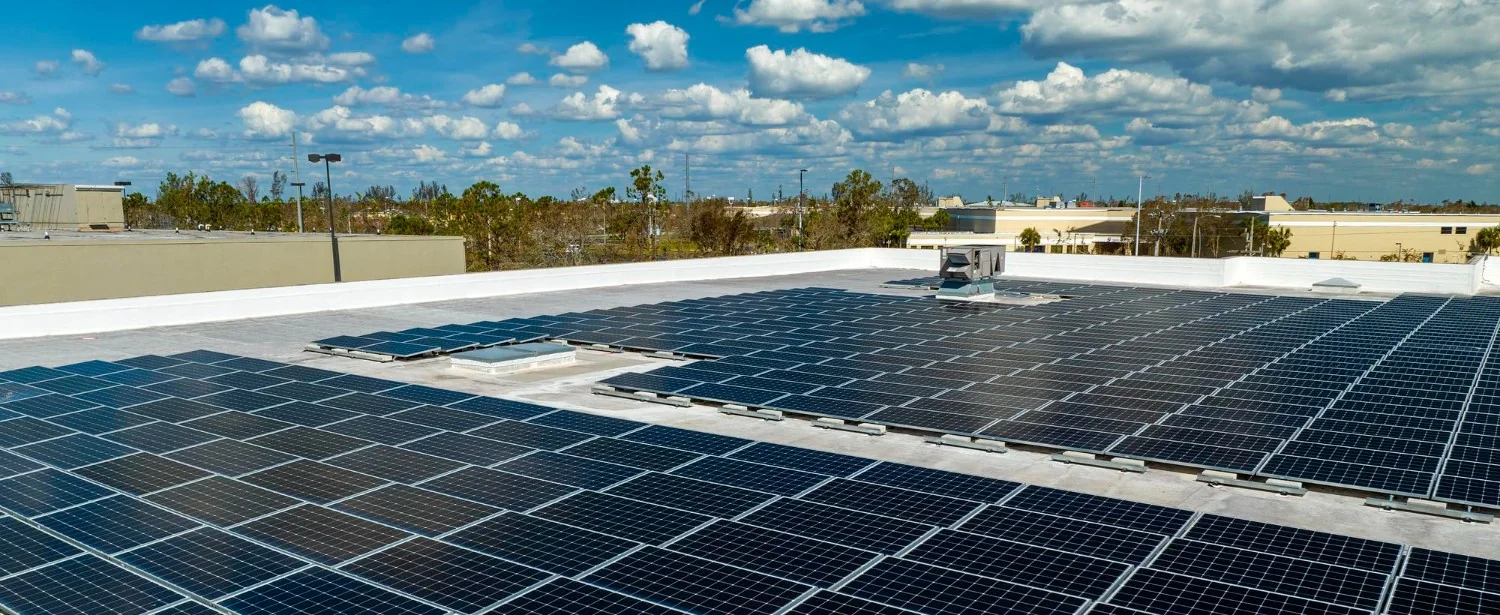
<ul><li><i>India’s rooftop solar capacity reached 30.7 GW in July 2026, increasing the need for better grid management and flexibility.</i></li><li><i>Kerala and Maharashtra are exploring battery ener…

• 𝘛𝘩𝘦 𝘌𝘐𝘉 𝘎𝘳𝘰𝘶𝘱 𝘱𝘭𝘢𝘯𝘴 𝘵𝘰 𝘱𝘳𝘰𝘷𝘪𝘥𝘦 𝘢𝘵 𝘭𝘦𝘢𝘴𝘵 €30 𝘣𝘪𝘭𝘭𝘪𝘰𝘯 𝘧𝘰𝘳 𝘤𝘭𝘪𝘮𝘢𝘵𝘦 𝘢𝘥𝘢𝘱𝘵𝘢𝘵𝘪𝘰𝘯 𝘣𝘦𝘵𝘸𝘦𝘦𝘯 2026 𝘢𝘯𝘥 2030. • 𝘛𝘩𝘦 𝘯𝘦𝘸 𝘵𝘢𝘳𝘨𝘦𝘵 𝘥𝘰𝘶𝘣𝘭𝘦𝘴 𝘢𝘥𝘢𝘱𝘵𝘢𝘵𝘪𝘰𝘯 𝘧𝘪𝘯𝘢𝘯𝘤𝘪𝘯𝘨 𝘤𝘰𝘮𝘱𝘢𝘳𝘦𝘥 𝘸𝘪𝘵𝘩 𝘵𝘩𝘦 𝘱𝘳𝘦𝘷𝘪𝘰𝘶𝘴 𝘧𝘪𝘷𝘦-𝘺𝘦𝘢𝘳 𝘱𝘦𝘳𝘪𝘰𝘥. • 𝘍𝘶𝘯𝘥𝘪𝘯𝘨…