

01 April 2026
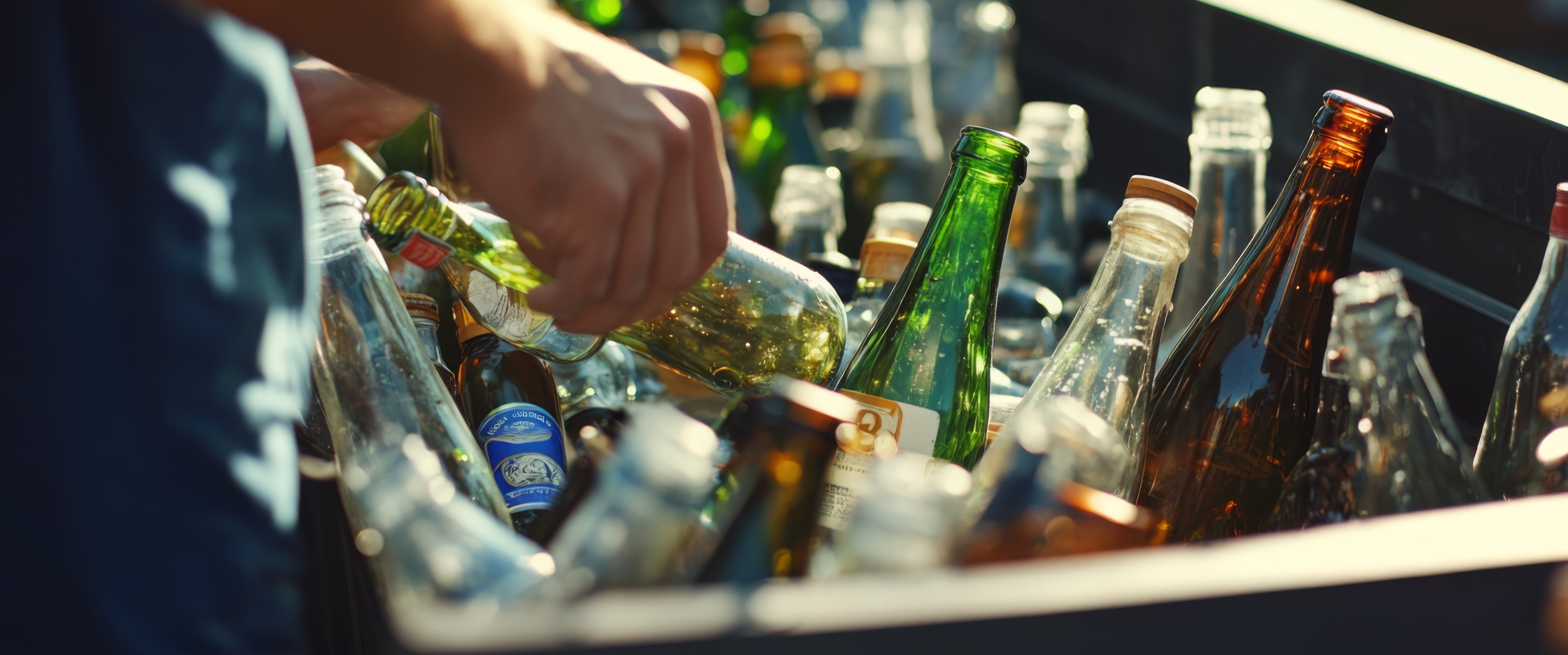
Singapore has introduced a deposit return scheme (DRS) for beverage containers as part of its efforts to strengthen waste management and advance circular economy practices. The initiative requires consumers to pay a small deposit when purchasing packaged beverages, which is refunded upon returning empty containers for recycling.
The scheme is designed to significantly improve collection and recycling rates for materials such as plastic bottles and aluminium cans. By creating a financial incentive for consumers, authorities aim to reduce litter, increase material recovery and minimise the volume of waste sent to landfills or incineration facilities.
The DRS forms part of Singapore’s broader environmental sustainability strategy, complementing existing measures to reduce packaging waste and promote resource efficiency. It also aligns with global best practices, as similar systems in other countries have demonstrated high return and recycling rates.
In addition to environmental benefits, the initiative is expected to support the development of a more efficient recycling ecosystem by improving the quality and consistency of collected materials. This will enable better processing and reuse, reinforcing the transition toward a more circular and sustainable economy.
Deposit return schemes are among the most consistently effective municipal-scale interventions for beverage-container recycling. Well-designed DRS programmes globally have achieved 80-95 percent return rates - dramatically higher than voluntary recycling. Singapore's introduction extends a well-proven model to a jurisdiction with strong regulatory delivery capability and dense urban infrastructure.
The high-quality material recovery is equally important as return rate. DRS-collected PET and aluminium typically retain higher recycling value than co-mingled recycling streams because contamination is minimised. This supports genuine circular-economy loops rather than downcycling.
For beverage manufacturers, retailers, packaging suppliers and their financial and CSR partners, Cognitud's circular economy, supply chain and operations and impact assessment teams help clients evaluate DRS-compliance requirements, structure supplier engagement on recyclable packaging design, and prepare disclosures aligned with SDG 12, CDP Waste and jurisdictional EPR frameworks that increasingly influence product-design and market-access decisions across food and beverage sectors globally.

• 𝘛𝘩𝘦 𝘜𝘈𝘌 𝘍𝘰𝘰𝘥 𝘉𝘢𝘯𝘬 𝘢𝘯𝘥 𝘋𝘶𝘣𝘢𝘪’𝘴 𝘊𝘰𝘮𝘮𝘶𝘯𝘪𝘵𝘺 𝘋𝘦𝘷𝘦𝘭𝘰𝘱𝘮𝘦𝘯𝘵 𝘈𝘶𝘵𝘩𝘰𝘳𝘪𝘵𝘺 (𝘊𝘋𝘈) 𝘩𝘢𝘷𝘦 𝘴𝘪𝘨𝘯𝘦𝘥 𝘢𝘯 𝘢𝘨𝘳𝘦𝘦𝘮𝘦𝘯𝘵 𝘵𝘰 𝘤𝘰𝘭𝘭𝘦𝘤𝘵 𝘢𝘯𝘥 𝘳𝘦𝘥𝘪𝘴𝘵𝘳𝘪𝘣𝘶𝘵𝘦 𝘴𝘶𝘳𝘱𝘭𝘶𝘴 𝘧𝘰𝘰𝘥 𝘧𝘳𝘰𝘮 𝘸𝘦𝘥𝘥𝘪𝘯𝘨𝘴 𝘢𝘯𝘥 𝘦𝘷𝘦𝘯𝘵𝘴. • 𝘛𝘩𝘦 𝘪𝘯𝘪𝘵𝘪𝘢𝘵𝘪𝘷𝘦 𝘸𝘪𝘭𝘭 𝘧𝘰𝘭𝘭𝘰𝘸 𝘢𝘱𝘱𝘳𝘰𝘷𝘦𝘥…

<ul><li><i>India’s rooftop solar capacity reached 30.7 GW in July 2026, increasing the need for better grid management and flexibility.</i></li><li><i>Kerala and Maharashtra are exploring battery ener…

• 𝘛𝘩𝘦 𝘌𝘐𝘉 𝘎𝘳𝘰𝘶𝘱 𝘱𝘭𝘢𝘯𝘴 𝘵𝘰 𝘱𝘳𝘰𝘷𝘪𝘥𝘦 𝘢𝘵 𝘭𝘦𝘢𝘴𝘵 €30 𝘣𝘪𝘭𝘭𝘪𝘰𝘯 𝘧𝘰𝘳 𝘤𝘭𝘪𝘮𝘢𝘵𝘦 𝘢𝘥𝘢𝘱𝘵𝘢𝘵𝘪𝘰𝘯 𝘣𝘦𝘵𝘸𝘦𝘦𝘯 2026 𝘢𝘯𝘥 2030. • 𝘛𝘩𝘦 𝘯𝘦𝘸 𝘵𝘢𝘳𝘨𝘦𝘵 𝘥𝘰𝘶𝘣𝘭𝘦𝘴 𝘢𝘥𝘢𝘱𝘵𝘢𝘵𝘪𝘰𝘯 𝘧𝘪𝘯𝘢𝘯𝘤𝘪𝘯𝘨 𝘤𝘰𝘮𝘱𝘢𝘳𝘦𝘥 𝘸𝘪𝘵𝘩 𝘵𝘩𝘦 𝘱𝘳𝘦𝘷𝘪𝘰𝘶𝘴 𝘧𝘪𝘷𝘦-𝘺𝘦𝘢𝘳 𝘱𝘦𝘳𝘪𝘰𝘥. • 𝘍𝘶𝘯𝘥𝘪𝘯𝘨…