


24 July 2025
Singapore's domestic recycling rate fell to an all-time low of just 11%, continuing a downward trend from 12% in both 2023 and 2022. This decline persisted despite government-led initiatives like the distribution of household recycling boxes and broader campaigns to promote recycling awareness. The overall national recycling rate also dropped to 50%, down from 52% in 2023 and significantly below the 60% recorded in 2014.
The National Environment Agency (NEA) attributed the drop primarily to a steep decline in paper and cardboard recycling, which fell due to contamination, high logistics costs, and weakened market demand.
In 2024, Singapore generated 1.27 million tonnes of paper and cardboard waste-the highest in a decade-driven largely by surges in e-commerce packaging and a lack of local pulping infrastructure. The contamination rate of household recycling bins reached an estimated 40%, further undermining recycling effectiveness.
Despite reduced waste generation per capita, the total waste disposed of rose to 3.33 million tonnes in 2024, up from 3.04 million tonnes in 2014. The Government responded with new guidelines for packaging waste, pilot programs using metal collection cages for cardboard, and plans to expand targeted recycling efforts. Senior Minister of State Dr.
Janil Puthucheary emphasized the need for more focused interventions, especially in bulky recyclables like cardboard, and announced a renewed push toward Singapore’s 70% recycling target by 2030.
On a more promising note, food waste recycling held steady at 18%, supported by new mandates for large food waste generators and innovative solutions like Mottainai Food Tech’s upcycling facility. However, with Singapore’s only landfill projected to reach capacity by 2035, the government urged citizens and businesses alike to step up efforts in reducing, reusing, and recycling to ensure long-term environmental sustainability.
Low recycling rates despite significant policy effort are a reminder that behavioural and infrastructure change lag headline commitments by years - which is exactly why tighter EPR and design-for-recyclability rules tend to follow. Our circular-economy and sustainability-due-diligence teams help consumer-goods and packaging brands read what these dynamics mean for their circular strategy before the next regulatory tightening.

• 𝘛𝘩𝘦 𝘜𝘈𝘌 𝘍𝘰𝘰𝘥 𝘉𝘢𝘯𝘬 𝘢𝘯𝘥 𝘋𝘶𝘣𝘢𝘪’𝘴 𝘊𝘰𝘮𝘮𝘶𝘯𝘪𝘵𝘺 𝘋𝘦𝘷𝘦𝘭𝘰𝘱𝘮𝘦𝘯𝘵 𝘈𝘶𝘵𝘩𝘰𝘳𝘪𝘵𝘺 (𝘊𝘋𝘈) 𝘩𝘢𝘷𝘦 𝘴𝘪𝘨𝘯𝘦𝘥 𝘢𝘯 𝘢𝘨𝘳𝘦𝘦𝘮𝘦𝘯𝘵 𝘵𝘰 𝘤𝘰𝘭𝘭𝘦𝘤𝘵 𝘢𝘯𝘥 𝘳𝘦𝘥𝘪𝘴𝘵𝘳𝘪𝘣𝘶𝘵𝘦 𝘴𝘶𝘳𝘱𝘭𝘶𝘴 𝘧𝘰𝘰𝘥 𝘧𝘳𝘰𝘮 𝘸𝘦𝘥𝘥𝘪𝘯𝘨𝘴 𝘢𝘯𝘥 𝘦𝘷𝘦𝘯𝘵𝘴. • 𝘛𝘩𝘦 𝘪𝘯𝘪𝘵𝘪𝘢𝘵𝘪𝘷𝘦 𝘸𝘪𝘭𝘭 𝘧𝘰𝘭𝘭𝘰𝘸 𝘢𝘱𝘱𝘳𝘰𝘷𝘦𝘥…
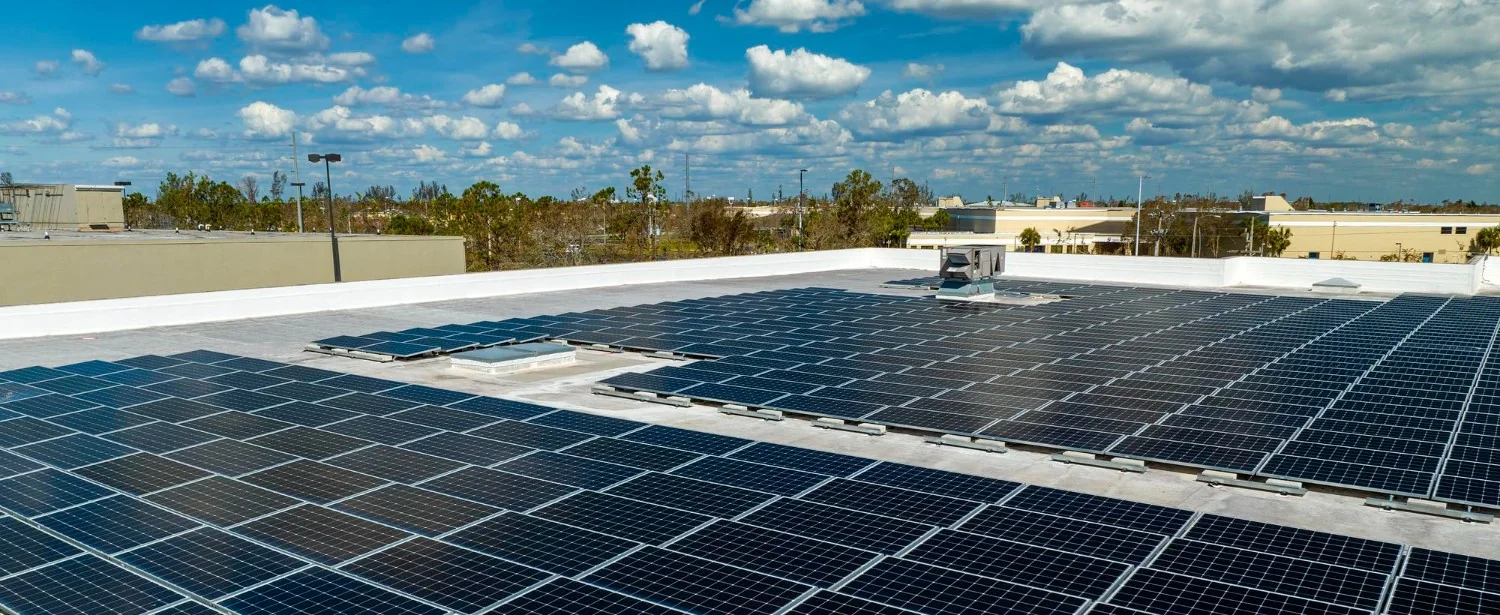
<ul><li><i>India’s rooftop solar capacity reached 30.7 GW in July 2026, increasing the need for better grid management and flexibility.</i></li><li><i>Kerala and Maharashtra are exploring battery ener…
• 𝘛𝘩𝘦 𝘌𝘐𝘉 𝘎𝘳𝘰𝘶𝘱 𝘱𝘭𝘢𝘯𝘴 𝘵𝘰 𝘱𝘳𝘰𝘷𝘪𝘥𝘦 𝘢𝘵 𝘭𝘦𝘢𝘴𝘵 €30 𝘣𝘪𝘭𝘭𝘪𝘰𝘯 𝘧𝘰𝘳 𝘤𝘭𝘪𝘮𝘢𝘵𝘦 𝘢𝘥𝘢𝘱𝘵𝘢𝘵𝘪𝘰𝘯 𝘣𝘦𝘵𝘸𝘦𝘦𝘯 2026 𝘢𝘯𝘥 2030. • 𝘛𝘩𝘦 𝘯𝘦𝘸 𝘵𝘢𝘳𝘨𝘦𝘵 𝘥𝘰𝘶𝘣𝘭𝘦𝘴 𝘢𝘥𝘢𝘱𝘵𝘢𝘵𝘪𝘰𝘯 𝘧𝘪𝘯𝘢𝘯𝘤𝘪𝘯𝘨 𝘤𝘰𝘮𝘱𝘢𝘳𝘦𝘥 𝘸𝘪𝘵𝘩 𝘵𝘩𝘦 𝘱𝘳𝘦𝘷𝘪𝘰𝘶𝘴 𝘧𝘪𝘷𝘦-𝘺𝘦𝘢𝘳 𝘱𝘦𝘳𝘪𝘰𝘥. • 𝘍𝘶𝘯𝘥𝘪𝘯𝘨…