


31 October 2025
The governments of Singapore, Chile and New Zealand have initiated negotiations for a plurilateral Green Economy Partnership Agreement (GEPA), launched on 31 October 2025 on the sidelines of the Asia‑Pacific Economic Cooperation (APEC) summit. The agreement aims to provide a framework for trade and investment in the green economy, where sustainability and market access align.
The proposed GEPA would cover areas such as sustainable aviation fuel, trading of carbon credits, renewable energy certificates and trade-related climate measures. Officials note that the purpose is to set common rules and standards to streamline cross-border flows of environmental goods, services, technologies and finance-to support the transition to a low-carbon economy while avoiding unnecessary trade barriers.
This initiative builds on the Joint Working Group on Trade and the Green Economy, formed in November 2024, by the same three countries to explore cooperation in green sectors. With the GEPA talks now underway, the countries aim to deliver a proposal or work-plan for consideration in 2025.
Plurilateral trade agreements focused specifically on the green economy - like the proposed GEPA - represent a relatively new architecture in international commerce. Traditional trade agreements address environmental provisions as ancillary chapters; a purpose-built green-economy agreement makes sustainability the organising principle across sustainable-aviation-fuel, carbon-credit trading, renewable-energy certificates and related trade-relevant climate measures.
The three-country combination is strategically interesting. Singapore anchors global logistics and finance flows; Chile brings mineral resources and lithium; New Zealand contributes agricultural and forestry expertise. Together they create a template that other markets - potentially Australia, Japan, Canada or European partners - could join, building a coalition of green-economy trade partners around common standards.
For exporters and importers of environmental goods and services, corporate carbon-credit purchasers, and renewable-energy technology providers, Cognitud's market intelligence, climate action and supply chain and operations teams help clients evaluate exposure to emerging plurilateral frameworks, structure cross-border sustainable-trade arrangements, and align internal ESG reporting with the disclosure expectations that increasingly follow green-economy trade preferences.

• 𝘛𝘩𝘦 𝘜𝘈𝘌 𝘍𝘰𝘰𝘥 𝘉𝘢𝘯𝘬 𝘢𝘯𝘥 𝘋𝘶𝘣𝘢𝘪’𝘴 𝘊𝘰𝘮𝘮𝘶𝘯𝘪𝘵𝘺 𝘋𝘦𝘷𝘦𝘭𝘰𝘱𝘮𝘦𝘯𝘵 𝘈𝘶𝘵𝘩𝘰𝘳𝘪𝘵𝘺 (𝘊𝘋𝘈) 𝘩𝘢𝘷𝘦 𝘴𝘪𝘨𝘯𝘦𝘥 𝘢𝘯 𝘢𝘨𝘳𝘦𝘦𝘮𝘦𝘯𝘵 𝘵𝘰 𝘤𝘰𝘭𝘭𝘦𝘤𝘵 𝘢𝘯𝘥 𝘳𝘦𝘥𝘪𝘴𝘵𝘳𝘪𝘣𝘶𝘵𝘦 𝘴𝘶𝘳𝘱𝘭𝘶𝘴 𝘧𝘰𝘰𝘥 𝘧𝘳𝘰𝘮 𝘸𝘦𝘥𝘥𝘪𝘯𝘨𝘴 𝘢𝘯𝘥 𝘦𝘷𝘦𝘯𝘵𝘴. • 𝘛𝘩𝘦 𝘪𝘯𝘪𝘵𝘪𝘢𝘵𝘪𝘷𝘦 𝘸𝘪𝘭𝘭 𝘧𝘰𝘭𝘭𝘰𝘸 𝘢𝘱𝘱𝘳𝘰𝘷𝘦𝘥…
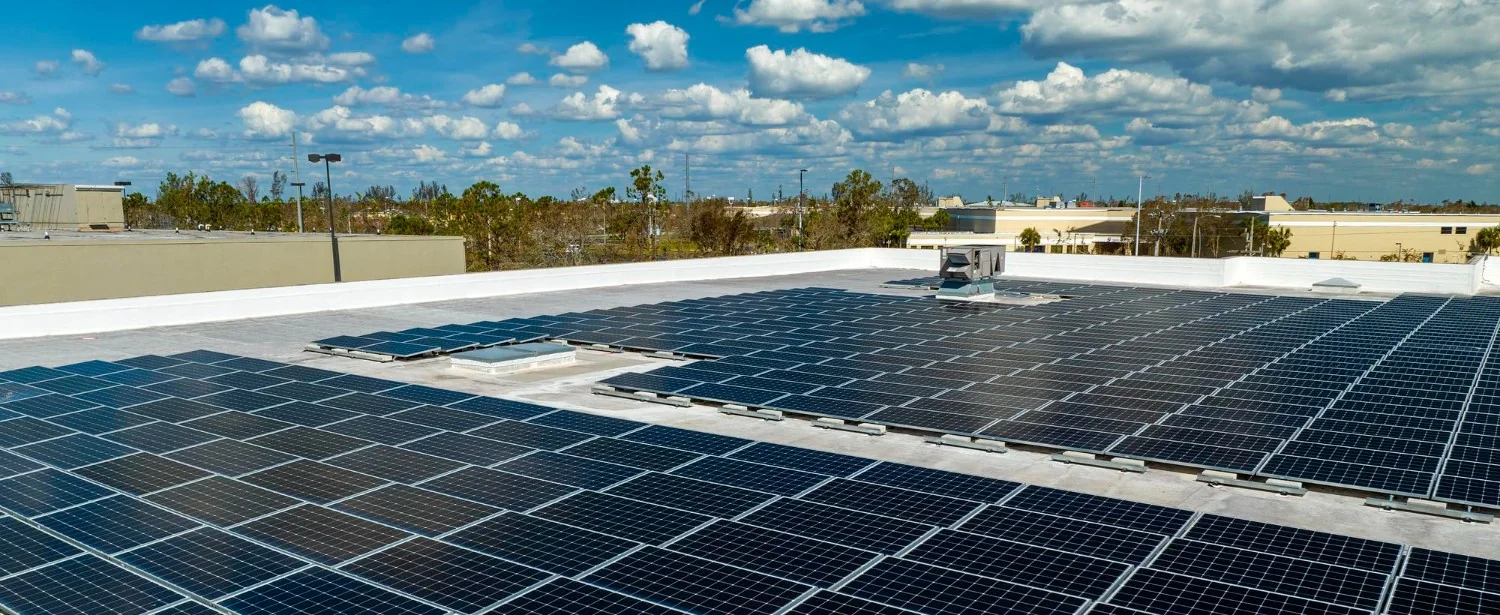
<ul><li><i>India’s rooftop solar capacity reached 30.7 GW in July 2026, increasing the need for better grid management and flexibility.</i></li><li><i>Kerala and Maharashtra are exploring battery ener…

• 𝘛𝘩𝘦 𝘌𝘐𝘉 𝘎𝘳𝘰𝘶𝘱 𝘱𝘭𝘢𝘯𝘴 𝘵𝘰 𝘱𝘳𝘰𝘷𝘪𝘥𝘦 𝘢𝘵 𝘭𝘦𝘢𝘴𝘵 €30 𝘣𝘪𝘭𝘭𝘪𝘰𝘯 𝘧𝘰𝘳 𝘤𝘭𝘪𝘮𝘢𝘵𝘦 𝘢𝘥𝘢𝘱𝘵𝘢𝘵𝘪𝘰𝘯 𝘣𝘦𝘵𝘸𝘦𝘦𝘯 2026 𝘢𝘯𝘥 2030. • 𝘛𝘩𝘦 𝘯𝘦𝘸 𝘵𝘢𝘳𝘨𝘦𝘵 𝘥𝘰𝘶𝘣𝘭𝘦𝘴 𝘢𝘥𝘢𝘱𝘵𝘢𝘵𝘪𝘰𝘯 𝘧𝘪𝘯𝘢𝘯𝘤𝘪𝘯𝘨 𝘤𝘰𝘮𝘱𝘢𝘳𝘦𝘥 𝘸𝘪𝘵𝘩 𝘵𝘩𝘦 𝘱𝘳𝘦𝘷𝘪𝘰𝘶𝘴 𝘧𝘪𝘷𝘦-𝘺𝘦𝘢𝘳 𝘱𝘦𝘳𝘪𝘰𝘥. • 𝘍𝘶𝘯𝘥𝘪𝘯𝘨…