


17 March 2026
Singapore has called for stronger integration of water and energy solutions to address growing sustainability and climate challenges, marking World Water Day 2026. Government representatives emphasised the importance of building resilient systems that can support long-term water security while reducing environmental impact.
The call highlights the increasing need to link water management with clean energy systems, particularly in areas such as desalination, water treatment and infrastructure efficiency. By integrating these sectors, Singapore aims to improve resource optimisation and reduce emissions associated with water supply systems.
Officials also stressed the importance of innovation, technology and international collaboration in addressing water-related challenges. As climate change intensifies pressures on water resources, countries are being urged to adopt more holistic and forward-looking approaches to sustainability.
The statement reflects Singapore’s broader strategy of developing climate-resilient infrastructure and sustainable resource management systems, reinforcing its position as a leader in urban sustainability and integrated environmental planning.
The water-energy nexus is one of the more under-appreciated dimensions of climate policy. Water treatment and distribution are energy-intensive; power generation is water-intensive; and both are increasingly stressed by climate change. Singapore's holistic framing - treating desalination, water treatment and infrastructure efficiency as integrated challenges rather than separate silos - reflects best practice for water-stressed jurisdictions globally.
Singapore's structural water constraints have historically driven innovation. NEWater recycling, desalination, and imported-water arrangements have made the country a global reference for integrated urban water management. The World Water Day framing signals continued intent to lead on the water-energy nexus, particularly as climate change intensifies pressure on water resources across the Asia-Pacific.
For water utilities, industrial consumers with material water footprints, desalination and treatment technology providers, and their financiers, Cognitud's climate action, impact assessment and data and digital teams help clients evaluate water-related climate risk, structure integrated water-energy management strategies, and disclose progress against CDP Water, TNFD and ISSB-aligned frameworks that increasingly require quantified water-stewardship performance.

• 𝘛𝘩𝘦 𝘜𝘈𝘌 𝘍𝘰𝘰𝘥 𝘉𝘢𝘯𝘬 𝘢𝘯𝘥 𝘋𝘶𝘣𝘢𝘪’𝘴 𝘊𝘰𝘮𝘮𝘶𝘯𝘪𝘵𝘺 𝘋𝘦𝘷𝘦𝘭𝘰𝘱𝘮𝘦𝘯𝘵 𝘈𝘶𝘵𝘩𝘰𝘳𝘪𝘵𝘺 (𝘊𝘋𝘈) 𝘩𝘢𝘷𝘦 𝘴𝘪𝘨𝘯𝘦𝘥 𝘢𝘯 𝘢𝘨𝘳𝘦𝘦𝘮𝘦𝘯𝘵 𝘵𝘰 𝘤𝘰𝘭𝘭𝘦𝘤𝘵 𝘢𝘯𝘥 𝘳𝘦𝘥𝘪𝘴𝘵𝘳𝘪𝘣𝘶𝘵𝘦 𝘴𝘶𝘳𝘱𝘭𝘶𝘴 𝘧𝘰𝘰𝘥 𝘧𝘳𝘰𝘮 𝘸𝘦𝘥𝘥𝘪𝘯𝘨𝘴 𝘢𝘯𝘥 𝘦𝘷𝘦𝘯𝘵𝘴. • 𝘛𝘩𝘦 𝘪𝘯𝘪𝘵𝘪𝘢𝘵𝘪𝘷𝘦 𝘸𝘪𝘭𝘭 𝘧𝘰𝘭𝘭𝘰𝘸 𝘢𝘱𝘱𝘳𝘰𝘷𝘦𝘥…
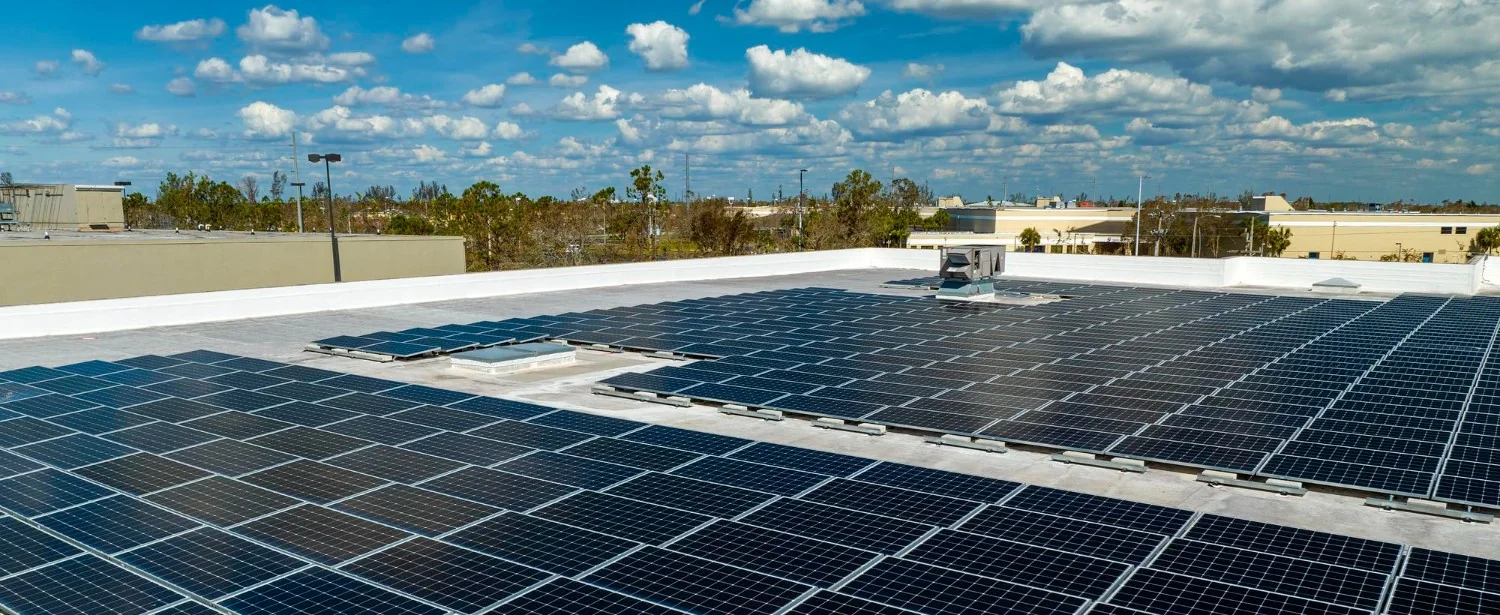
<ul><li><i>India’s rooftop solar capacity reached 30.7 GW in July 2026, increasing the need for better grid management and flexibility.</i></li><li><i>Kerala and Maharashtra are exploring battery ener…

• 𝘛𝘩𝘦 𝘌𝘐𝘉 𝘎𝘳𝘰𝘶𝘱 𝘱𝘭𝘢𝘯𝘴 𝘵𝘰 𝘱𝘳𝘰𝘷𝘪𝘥𝘦 𝘢𝘵 𝘭𝘦𝘢𝘴𝘵 €30 𝘣𝘪𝘭𝘭𝘪𝘰𝘯 𝘧𝘰𝘳 𝘤𝘭𝘪𝘮𝘢𝘵𝘦 𝘢𝘥𝘢𝘱𝘵𝘢𝘵𝘪𝘰𝘯 𝘣𝘦𝘵𝘸𝘦𝘦𝘯 2026 𝘢𝘯𝘥 2030. • 𝘛𝘩𝘦 𝘯𝘦𝘸 𝘵𝘢𝘳𝘨𝘦𝘵 𝘥𝘰𝘶𝘣𝘭𝘦𝘴 𝘢𝘥𝘢𝘱𝘵𝘢𝘵𝘪𝘰𝘯 𝘧𝘪𝘯𝘢𝘯𝘤𝘪𝘯𝘨 𝘤𝘰𝘮𝘱𝘢𝘳𝘦𝘥 𝘸𝘪𝘵𝘩 𝘵𝘩𝘦 𝘱𝘳𝘦𝘷𝘪𝘰𝘶𝘴 𝘧𝘪𝘷𝘦-𝘺𝘦𝘢𝘳 𝘱𝘦𝘳𝘪𝘰𝘥. • 𝘍𝘶𝘯𝘥𝘪𝘯𝘨…