


27 October 2025
Singapore announced that it will set aside approximately 300 hectares - about 10% of the area of its industrial hub, Jurong Island- for renewable-energy facilities and low-carbon fuel production. These new energies will include solar power, sustainable aviation fuel, low/zero-carbon ammonia solutions, and hydrogen-ready plants.
In addition, the government has earmarked 20 hectares of land for a new data-centre park designed to support up to 700 megawatts of power capacity, making it the country’s largest low-carbon data-centre park to date. Operators at the site will make use of existing infrastructure, energy-storage systems and emerging low-carbon power supply sources.
The move is part of Singapore’s broader strategy to repurpose its traditional fuel-and-chemicals hub into a global test-bed for new energy technologies and low-carbon production, while diversifying into sustainable products and data infrastructure.
Jurong Island has for decades been Singapore's petrochemical and fuels heart; repositioning 300 hectares of it for renewable energy, low-carbon fuels and green-power infrastructure is a strategic statement about the future of the country's industrial economy. The additional 20-hectare, 700 MW low-carbon data-centre park signals equally clear intent on positioning Singapore as an AI- and cloud-compute hub built on low-carbon foundations.
The choice matters regionally too. Singapore's constraints on land, water and grid capacity make it a natural laboratory for the sustainability standards that will eventually apply to data-centre and low-carbon-fuel development across the Asia-Pacific. Early operators at the site will effectively set expectations that other jurisdictions in the region are likely to follow.
For industrials, hyperscalers and clean-fuel developers evaluating participation, Cognitud's energy transition, data and digital, and circular economy teams help clients structure site strategies, PPA and heat-reuse arrangements, and ESG disclosures aligned with Singapore's Green Plan and international investor expectations - turning access to a strategic industrial cluster into durable long-term competitive positioning.

• 𝘛𝘩𝘦 𝘜𝘈𝘌 𝘍𝘰𝘰𝘥 𝘉𝘢𝘯𝘬 𝘢𝘯𝘥 𝘋𝘶𝘣𝘢𝘪’𝘴 𝘊𝘰𝘮𝘮𝘶𝘯𝘪𝘵𝘺 𝘋𝘦𝘷𝘦𝘭𝘰𝘱𝘮𝘦𝘯𝘵 𝘈𝘶𝘵𝘩𝘰𝘳𝘪𝘵𝘺 (𝘊𝘋𝘈) 𝘩𝘢𝘷𝘦 𝘴𝘪𝘨𝘯𝘦𝘥 𝘢𝘯 𝘢𝘨𝘳𝘦𝘦𝘮𝘦𝘯𝘵 𝘵𝘰 𝘤𝘰𝘭𝘭𝘦𝘤𝘵 𝘢𝘯𝘥 𝘳𝘦𝘥𝘪𝘴𝘵𝘳𝘪𝘣𝘶𝘵𝘦 𝘴𝘶𝘳𝘱𝘭𝘶𝘴 𝘧𝘰𝘰𝘥 𝘧𝘳𝘰𝘮 𝘸𝘦𝘥𝘥𝘪𝘯𝘨𝘴 𝘢𝘯𝘥 𝘦𝘷𝘦𝘯𝘵𝘴. • 𝘛𝘩𝘦 𝘪𝘯𝘪𝘵𝘪𝘢𝘵𝘪𝘷𝘦 𝘸𝘪𝘭𝘭 𝘧𝘰𝘭𝘭𝘰𝘸 𝘢𝘱𝘱𝘳𝘰𝘷𝘦𝘥…
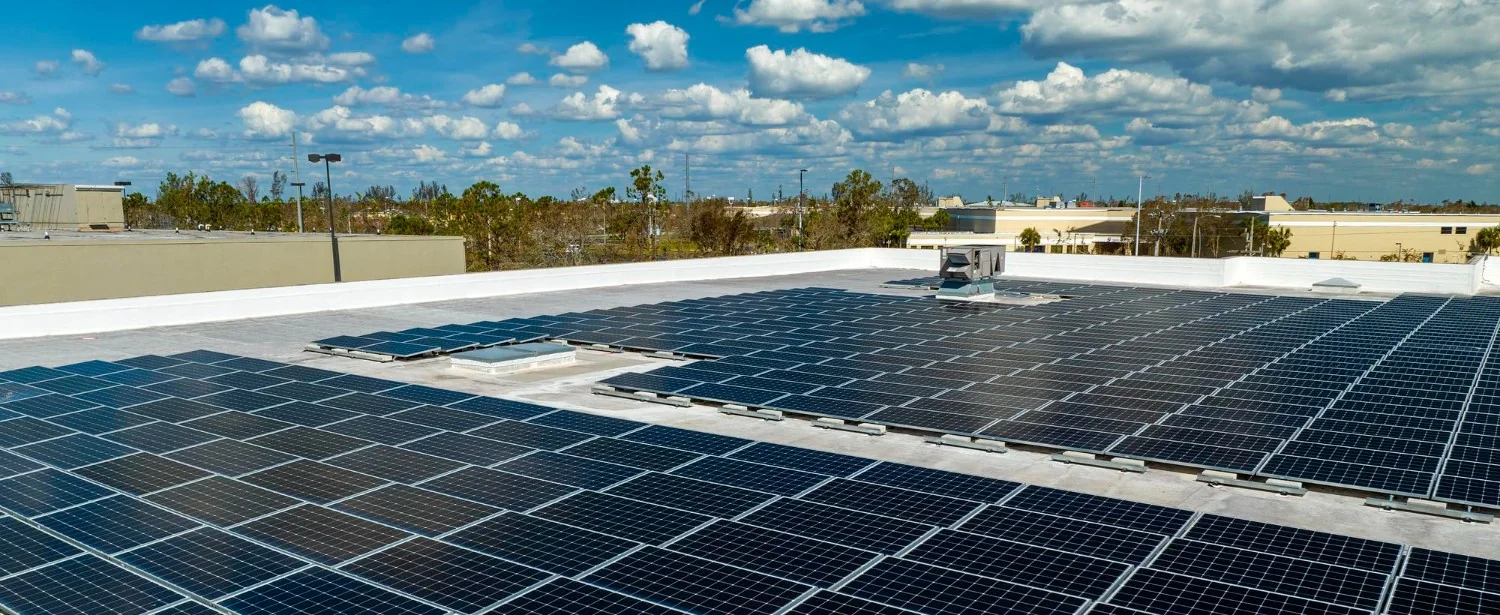
<ul><li><i>India’s rooftop solar capacity reached 30.7 GW in July 2026, increasing the need for better grid management and flexibility.</i></li><li><i>Kerala and Maharashtra are exploring battery ener…
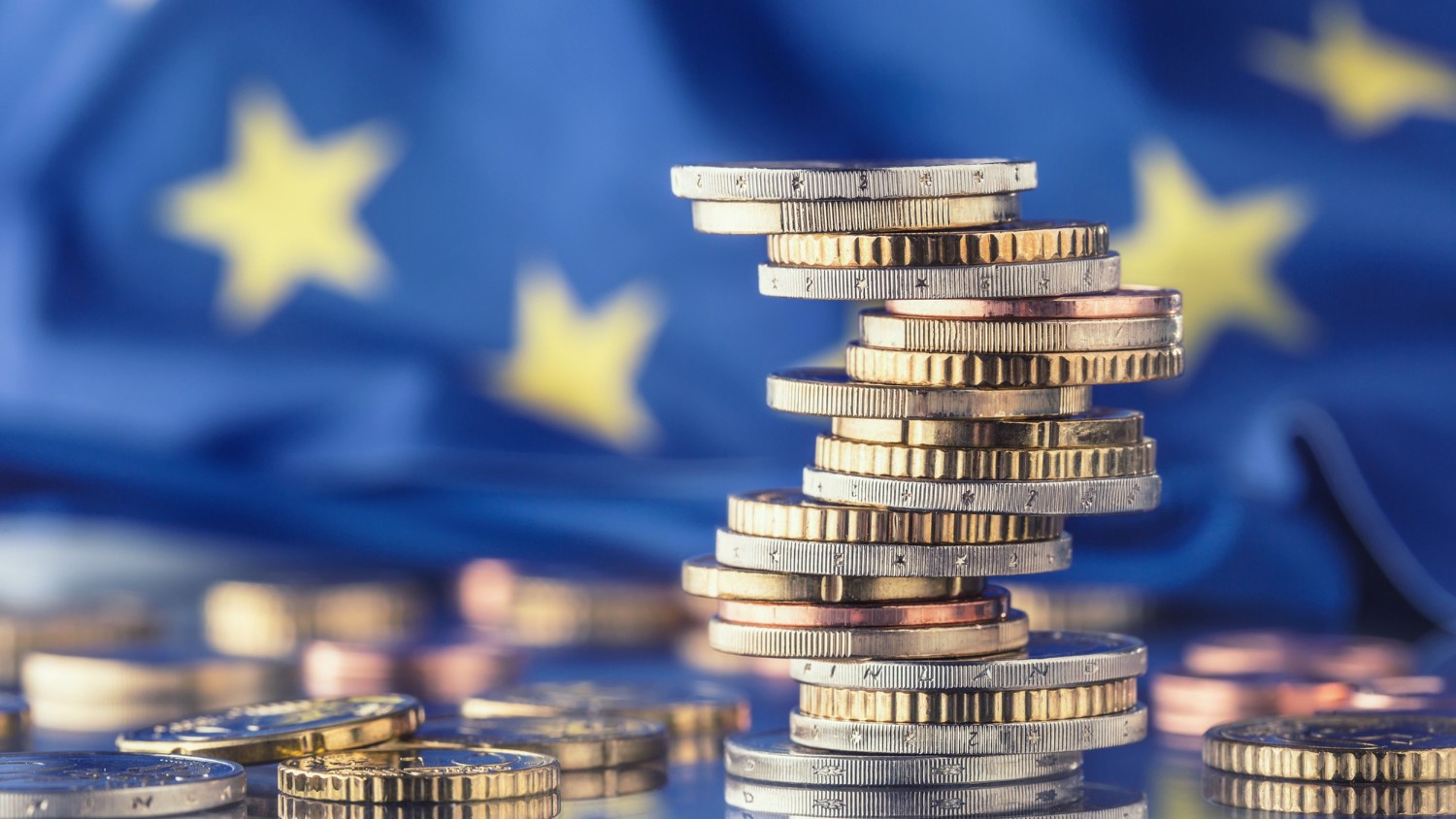
• 𝘛𝘩𝘦 𝘌𝘐𝘉 𝘎𝘳𝘰𝘶𝘱 𝘱𝘭𝘢𝘯𝘴 𝘵𝘰 𝘱𝘳𝘰𝘷𝘪𝘥𝘦 𝘢𝘵 𝘭𝘦𝘢𝘴𝘵 €30 𝘣𝘪𝘭𝘭𝘪𝘰𝘯 𝘧𝘰𝘳 𝘤𝘭𝘪𝘮𝘢𝘵𝘦 𝘢𝘥𝘢𝘱𝘵𝘢𝘵𝘪𝘰𝘯 𝘣𝘦𝘵𝘸𝘦𝘦𝘯 2026 𝘢𝘯𝘥 2030. • 𝘛𝘩𝘦 𝘯𝘦𝘸 𝘵𝘢𝘳𝘨𝘦𝘵 𝘥𝘰𝘶𝘣𝘭𝘦𝘴 𝘢𝘥𝘢𝘱𝘵𝘢𝘵𝘪𝘰𝘯 𝘧𝘪𝘯𝘢𝘯𝘤𝘪𝘯𝘨 𝘤𝘰𝘮𝘱𝘢𝘳𝘦𝘥 𝘸𝘪𝘵𝘩 𝘵𝘩𝘦 𝘱𝘳𝘦𝘷𝘪𝘰𝘶𝘴 𝘧𝘪𝘷𝘦-𝘺𝘦𝘢𝘳 𝘱𝘦𝘳𝘪𝘰𝘥. • 𝘍𝘶𝘯𝘥𝘪𝘯𝘨…