

21 August 2025
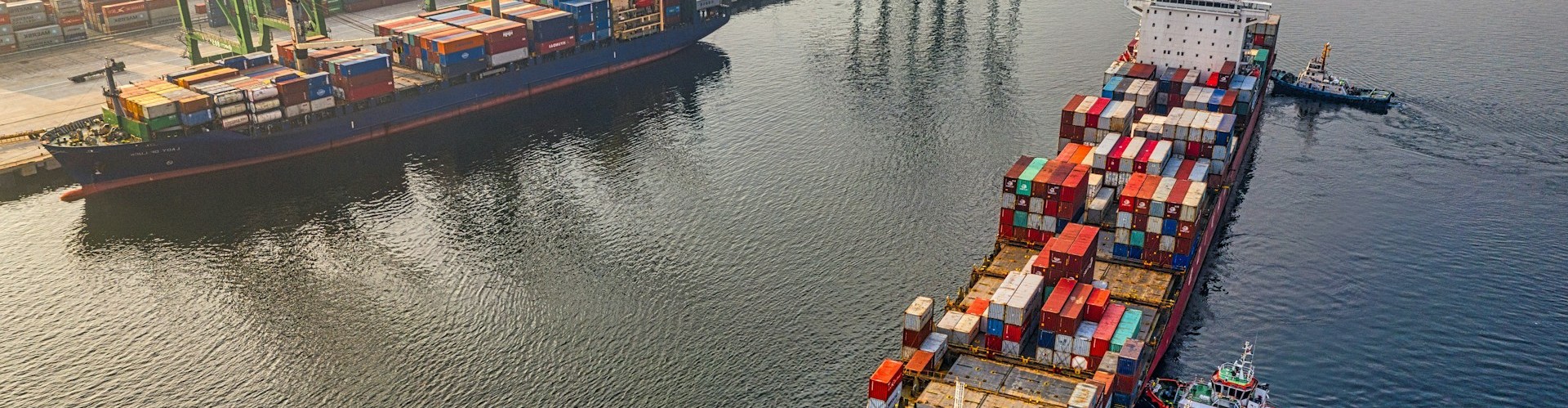
Saudi Arabia and India had taken a significant step in strengthening their maritime partnership by establishing a Joint Working Group focused on shipping, logistics, and sustainable growth. The initiative, emerging from a high-level ministerial dialogue, was designed to deepen bilateral economic ties while accelerating the transition to greener maritime practices.
The collaboration aligned closely with Saudi Vision 2030 and India’s Maritime India Vision 2030, both emphasizing supply chain transformation, digitalized port operations, and climate-conscious shipping. Key opportunities identified included green hydrogen hub ports, cleaner coastal shipping, and sustainable port infrastructure investments.
Saudi Arabia, as India’s fifth-largest trading partner, and India, the kingdom’s second-largest, had recognized strong complementarities in their economic and environmental ambitions. Together, the nations aimed to unlock joint ventures across port modernization, shipbuilding, and eco-friendly shipping corridors, setting the stage for a resilient and sustainable maritime future.
The move underscored Saudi Arabia’s growing role in shaping sustainable global trade flows, while reinforcing India as a strategic partner in driving innovation and climate action across the maritime sector.
The Saudi Arabia-India maritime Joint Working Group aligns Vision 2030 and Maritime India Vision 2030 priorities - both emphasising port modernisation, digitalisation and climate-conscious shipping. The scale of bilateral trade (Saudi as India's fifth-largest partner; India as Saudi's second-largest) gives commercial anchor to the sustainability cooperation ambitions.
Green hydrogen hub ports represent one of the more strategically important elements. Saudi Arabia's green-hydrogen production potential (particularly at NEOM) combined with Indian demand for low-carbon industrial inputs creates the market-and-supply pairing that hydrogen-based industrial decarbonisation ultimately requires. Bilateral port infrastructure alignment supports the physical infrastructure this trade requires.
For shipping lines, port operators, hydrogen producers, industrial off-takers and financial institutions supporting maritime decarbonisation, Cognitud's climate action, supply chain and operations and market intelligence teams help clients evaluate bilateral clean-fuel supply opportunities, structure port-and-fuel offtake arrangements, and prepare disclosures aligned with IMO, CDP Transport and jurisdictional maritime-sustainability frameworks that increasingly shape cargo-owner procurement decisions.

• 𝘋𝘶𝘣𝘢𝘪 𝘗𝘰𝘭𝘪𝘤𝘦 𝘩𝘢𝘴 𝘤𝘰𝘮𝘱𝘭𝘦𝘵𝘦𝘥 𝘵𝘩𝘦 𝘧𝘪𝘳𝘴𝘵 𝘱𝘩𝘢𝘴𝘦 𝘰𝘧 𝘢 𝘴𝘰𝘭𝘢𝘳 𝘦𝘯𝘦𝘳𝘨𝘺 𝘱𝘳𝘰𝘫𝘦𝘤𝘵 𝘢𝘤𝘳𝘰𝘴𝘴 28 𝘱𝘰𝘭𝘪𝘤𝘦 𝘴𝘪𝘵𝘦𝘴. • 𝘛𝘩𝘦 𝘱𝘳𝘰𝘫𝘦𝘤𝘵 𝘪𝘴 𝘦𝘴𝘵𝘪𝘮𝘢𝘵𝘦𝘥 𝘵𝘰 𝘳𝘦𝘥𝘶𝘤𝘦 𝘢𝘯𝘯𝘶𝘢𝘭 𝘤𝘢𝘳𝘣𝘰𝘯 𝘦𝘮𝘪𝘴𝘴𝘪𝘰𝘯𝘴 𝘣𝘺 26,000 𝘵𝘰𝘯𝘯𝘦𝘴. • 𝘛𝘩𝘦 𝘳𝘦𝘥𝘶𝘤𝘵𝘪𝘰𝘯 𝘦𝘲𝘶𝘢𝘵𝘦𝘴 𝘵𝘰…

• 𝘚𝘪𝘯𝘨𝘢𝘱𝘰𝘳𝘦 𝘩𝘢𝘴 𝘪𝘯𝘵𝘳𝘰𝘥𝘶𝘤𝘦𝘥 𝘢 𝘱𝘳𝘰𝘱𝘰𝘴𝘦𝘥 𝘋𝘪𝘨𝘪𝘵𝘢𝘭 𝘐𝘯𝘧𝘳𝘢𝘴𝘵𝘳𝘶𝘤𝘵𝘶𝘳𝘦 𝘉𝘪𝘭𝘭 𝘢𝘪𝘮𝘦𝘥 𝘢𝘵 𝘴𝘵𝘳𝘦𝘯𝘨𝘵𝘩𝘦𝘯𝘪𝘯𝘨 𝘵𝘩𝘦 𝘴𝘦𝘤𝘶𝘳𝘪𝘵𝘺, 𝘳𝘦𝘴𝘪𝘭𝘪𝘦𝘯𝘤𝘦 𝘢𝘯𝘥 𝘦𝘯𝘷𝘪𝘳𝘰𝘯𝘮𝘦𝘯𝘵𝘢𝘭 𝘴𝘶𝘴𝘵𝘢𝘪𝘯𝘢𝘣𝘪𝘭𝘪𝘵𝘺 𝘰𝘧 𝘥𝘢𝘵𝘢 𝘤𝘦𝘯𝘵𝘳𝘦𝘴 𝘢𝘯𝘥 𝘤𝘭𝘰𝘶𝘥 𝘴𝘦𝘳𝘷𝘪𝘤𝘦𝘴. • 𝘛𝘩𝘦 𝘉𝘪𝘭𝘭 𝘸𝘰𝘶𝘭𝘥…

• 𝘌𝘶𝘳𝘰𝘱𝘦’𝘴 𝘭𝘢𝘳𝘨𝘦𝘴𝘵 𝘪𝘯𝘥𝘶𝘴𝘵𝘳𝘪𝘢𝘭 𝘤𝘢𝘳𝘣𝘰𝘯 𝘤𝘢𝘱𝘵𝘶𝘳𝘦 𝘧𝘢𝘤𝘪𝘭𝘪𝘵𝘺 𝘩𝘢𝘴 𝘣𝘦𝘦𝘯 𝘪𝘯𝘢𝘶𝘨𝘶𝘳𝘢𝘵𝘦𝘥 𝘢𝘵 𝘠𝘢𝘳𝘢’𝘴 𝘢𝘮𝘮𝘰𝘯𝘪𝘢 𝘢𝘯𝘥 𝘧𝘦𝘳𝘵𝘪𝘭𝘪𝘴𝘦𝘳 𝘱𝘭𝘢𝘯𝘵 𝘪𝘯 𝘚𝘭𝘶𝘪𝘴𝘬𝘪𝘭, 𝘵𝘩𝘦 𝘕𝘦𝘵𝘩𝘦𝘳𝘭𝘢𝘯𝘥𝘴. • 𝘛𝘩𝘦 𝘧𝘢𝘤𝘪𝘭𝘪𝘵𝘺 𝘤𝘢𝘯 𝘤𝘢𝘱𝘵𝘶𝘳𝘦 𝘢𝘯𝘥 𝘭𝘪𝘲𝘶𝘦𝘧𝘺 𝘶𝘱 𝘵𝘰 800,000 𝘵𝘰𝘯…