


01 April 2026
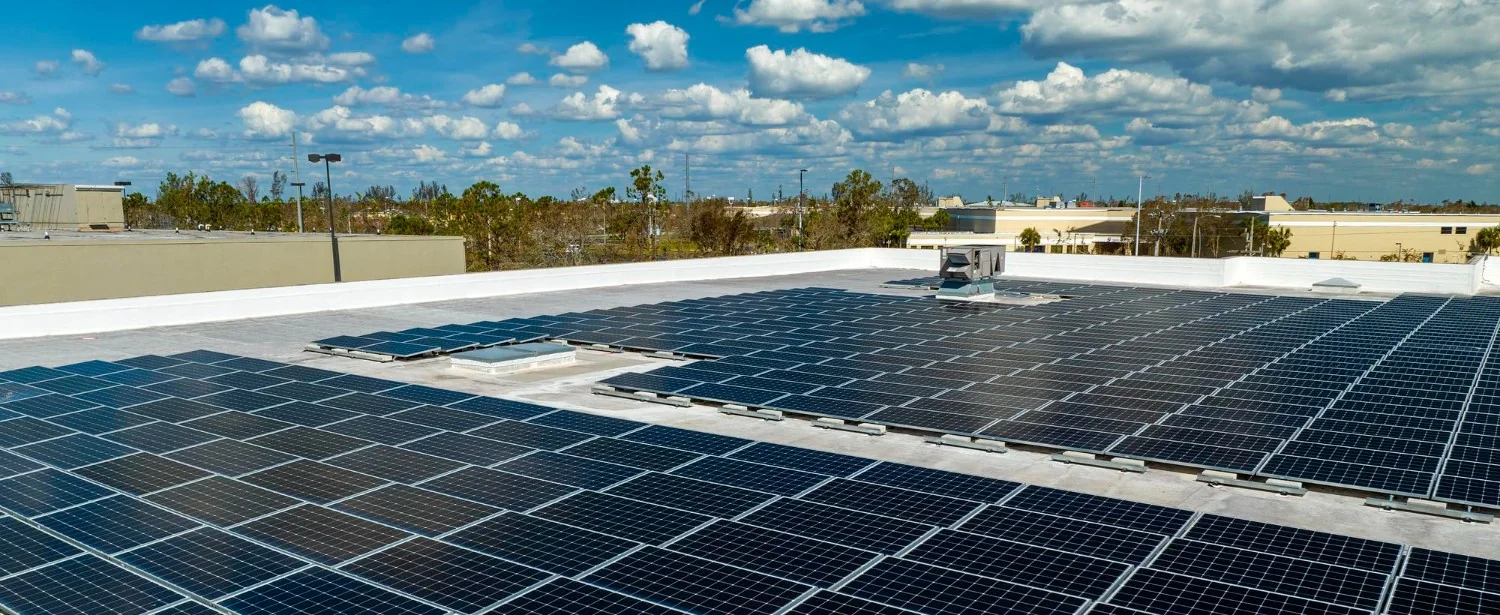
India’s transition toward clean energy continues to gain momentum, with renewable energy contributing 20.2% to the country’s total power mix in FY25, according to a recent report. This marks a steady rise from previous years, reflecting the nation’s ongoing shift away from fossil fuel dependency toward a more sustainable and low-carbon energy system.
The growth has been driven by increased capacity additions in solar, wind, and other renewable sources, supported by policy initiatives, investment inflows, and improved infrastructure. The report highlights that this upward trend aligns with India’s broader climate commitments, including reducing emissions intensity and expanding non-fossil fuel capacity.
In addition, the data underscores the role of state-level contributions, where certain regions continue to lead in renewable energy deployment due to favorable policies and resource availability. The expansion of renewables is also helping improve energy security, diversify the power mix, and reduce long-term environmental risks.
Overall, the rise in renewable share signals strong progress in India’s clean energy transition, reinforcing the government’s focus on sustainability, energy independence, and climate goals.
Crossing the 20 percent renewables share threshold in India's power mix represents a meaningful psychological and operational milestone. Above this level, grid-integration challenges begin to require more sophisticated system architecture (storage, forecasting, flexibility mechanisms), and the sector transitions from "growing niche" to "significant contributor" in commercial terms.
State-level variation continues to shape delivery. Rajasthan, Gujarat, Karnataka and Tamil Nadu lead on renewable capacity share, while other states progress more slowly. National headline metrics obscure meaningful geographic differences that shape where developers, investors and industrial power buyers should focus.
For utilities, renewable developers, corporate power purchasers and financial institutions active in Indian energy transition, Cognitud's energy transition, responsible investment and market intelligence teams help clients evaluate state-level opportunities and constraints, structure PPAs and portfolio strategies aligned with regional grid dynamics, and prepare disclosures aligned with BRSR, ISSB and TCFD expectations that increasingly translate India's renewable-share progress into decision-useful investment narratives.

• 𝘛𝘩𝘦 𝘜𝘈𝘌 𝘍𝘰𝘰𝘥 𝘉𝘢𝘯𝘬 𝘢𝘯𝘥 𝘋𝘶𝘣𝘢𝘪’𝘴 𝘊𝘰𝘮𝘮𝘶𝘯𝘪𝘵𝘺 𝘋𝘦𝘷𝘦𝘭𝘰𝘱𝘮𝘦𝘯𝘵 𝘈𝘶𝘵𝘩𝘰𝘳𝘪𝘵𝘺 (𝘊𝘋𝘈) 𝘩𝘢𝘷𝘦 𝘴𝘪𝘨𝘯𝘦𝘥 𝘢𝘯 𝘢𝘨𝘳𝘦𝘦𝘮𝘦𝘯𝘵 𝘵𝘰 𝘤𝘰𝘭𝘭𝘦𝘤𝘵 𝘢𝘯𝘥 𝘳𝘦𝘥𝘪𝘴𝘵𝘳𝘪𝘣𝘶𝘵𝘦 𝘴𝘶𝘳𝘱𝘭𝘶𝘴 𝘧𝘰𝘰𝘥 𝘧𝘳𝘰𝘮 𝘸𝘦𝘥𝘥𝘪𝘯𝘨𝘴 𝘢𝘯𝘥 𝘦𝘷𝘦𝘯𝘵𝘴. • 𝘛𝘩𝘦 𝘪𝘯𝘪𝘵𝘪𝘢𝘵𝘪𝘷𝘦 𝘸𝘪𝘭𝘭 𝘧𝘰𝘭𝘭𝘰𝘸 𝘢𝘱𝘱𝘳𝘰𝘷𝘦𝘥…
<ul><li><i>India’s rooftop solar capacity reached 30.7 GW in July 2026, increasing the need for better grid management and flexibility.</i></li><li><i>Kerala and Maharashtra are exploring battery ener…

• 𝘛𝘩𝘦 𝘌𝘐𝘉 𝘎𝘳𝘰𝘶𝘱 𝘱𝘭𝘢𝘯𝘴 𝘵𝘰 𝘱𝘳𝘰𝘷𝘪𝘥𝘦 𝘢𝘵 𝘭𝘦𝘢𝘴𝘵 €30 𝘣𝘪𝘭𝘭𝘪𝘰𝘯 𝘧𝘰𝘳 𝘤𝘭𝘪𝘮𝘢𝘵𝘦 𝘢𝘥𝘢𝘱𝘵𝘢𝘵𝘪𝘰𝘯 𝘣𝘦𝘵𝘸𝘦𝘦𝘯 2026 𝘢𝘯𝘥 2030. • 𝘛𝘩𝘦 𝘯𝘦𝘸 𝘵𝘢𝘳𝘨𝘦𝘵 𝘥𝘰𝘶𝘣𝘭𝘦𝘴 𝘢𝘥𝘢𝘱𝘵𝘢𝘵𝘪𝘰𝘯 𝘧𝘪𝘯𝘢𝘯𝘤𝘪𝘯𝘨 𝘤𝘰𝘮𝘱𝘢𝘳𝘦𝘥 𝘸𝘪𝘵𝘩 𝘵𝘩𝘦 𝘱𝘳𝘦𝘷𝘪𝘰𝘶𝘴 𝘧𝘪𝘷𝘦-𝘺𝘦𝘢𝘳 𝘱𝘦𝘳𝘪𝘰𝘥. • 𝘍𝘶𝘯𝘥𝘪𝘯𝘨…