

-1.jpg)
19 August 2025
The European Economic and Social Committee (EESC) recently became the first official EU body to explicitly recognise regenerative agriculture as a core strategy for transforming Europe’s food and farming systems. With its opinion adopted in June 2025, regenerative agriculture was positioned not as an alternative model but as a mainstream solution to urgent crises including soil degradation, biodiversity loss, climate extremes, generational renewal and rural decline.
Regenerative agriculture was highlighted as a flexible and outcome-oriented approach that restored soil health, enhanced biodiversity, improved water cycles and boosted climate resilience. Farmers across Europe who applied methods such as cover cropping, no-tillage, rotational grazing and agroforestry had already seen tangible benefits: lower input costs, healthier crops, improved biodiversity and greater resistance to droughts and floods.
The EESC also proposed the development of Key Performance Indicators (KPIs) to track measurable improvements in soil carbon, water retention, plant diversity and photosynthesis. These indicators were intended to align with existing monitoring systems and EU policies, ensuring that regenerative agriculture was embedded in the Common Agricultural Policy (CAP) post-2027, the EU Soil Health Law, the Nature Restoration Law and rural development strategies.
Finally, the Committee underlined that policy alignment and market support were essential. Farmers required transition tools such as investment support, preferential credit and tailored insurance schemes to manage risks.
At the same time, the growth of regenerative agriculture depended on demand creation through public procurement, labelling, consumer awareness and food company commitments. This recognition marked a turning point for EU agriculture, positioning farmers not only as producers but as stewards of climate, biodiversity and rural renewal.
Regenerative agriculture is where EU farming policy meets TNFD, EUDR and Scope 3 supply-chain expectations - it becomes both a sourcing consideration and a disclosure narrative for anyone with agri-food value chains. Our nature-based-solutions and supply-chain-and-operations teams help agri-food clients evaluate regenerative-sourcing opportunities and align disclosure with these overlapping frameworks.

• 𝘛𝘩𝘦 𝘜𝘈𝘌 𝘍𝘰𝘰𝘥 𝘉𝘢𝘯𝘬 𝘢𝘯𝘥 𝘋𝘶𝘣𝘢𝘪’𝘴 𝘊𝘰𝘮𝘮𝘶𝘯𝘪𝘵𝘺 𝘋𝘦𝘷𝘦𝘭𝘰𝘱𝘮𝘦𝘯𝘵 𝘈𝘶𝘵𝘩𝘰𝘳𝘪𝘵𝘺 (𝘊𝘋𝘈) 𝘩𝘢𝘷𝘦 𝘴𝘪𝘨𝘯𝘦𝘥 𝘢𝘯 𝘢𝘨𝘳𝘦𝘦𝘮𝘦𝘯𝘵 𝘵𝘰 𝘤𝘰𝘭𝘭𝘦𝘤𝘵 𝘢𝘯𝘥 𝘳𝘦𝘥𝘪𝘴𝘵𝘳𝘪𝘣𝘶𝘵𝘦 𝘴𝘶𝘳𝘱𝘭𝘶𝘴 𝘧𝘰𝘰𝘥 𝘧𝘳𝘰𝘮 𝘸𝘦𝘥𝘥𝘪𝘯𝘨𝘴 𝘢𝘯𝘥 𝘦𝘷𝘦𝘯𝘵𝘴. • 𝘛𝘩𝘦 𝘪𝘯𝘪𝘵𝘪𝘢𝘵𝘪𝘷𝘦 𝘸𝘪𝘭𝘭 𝘧𝘰𝘭𝘭𝘰𝘸 𝘢𝘱𝘱𝘳𝘰𝘷𝘦𝘥…
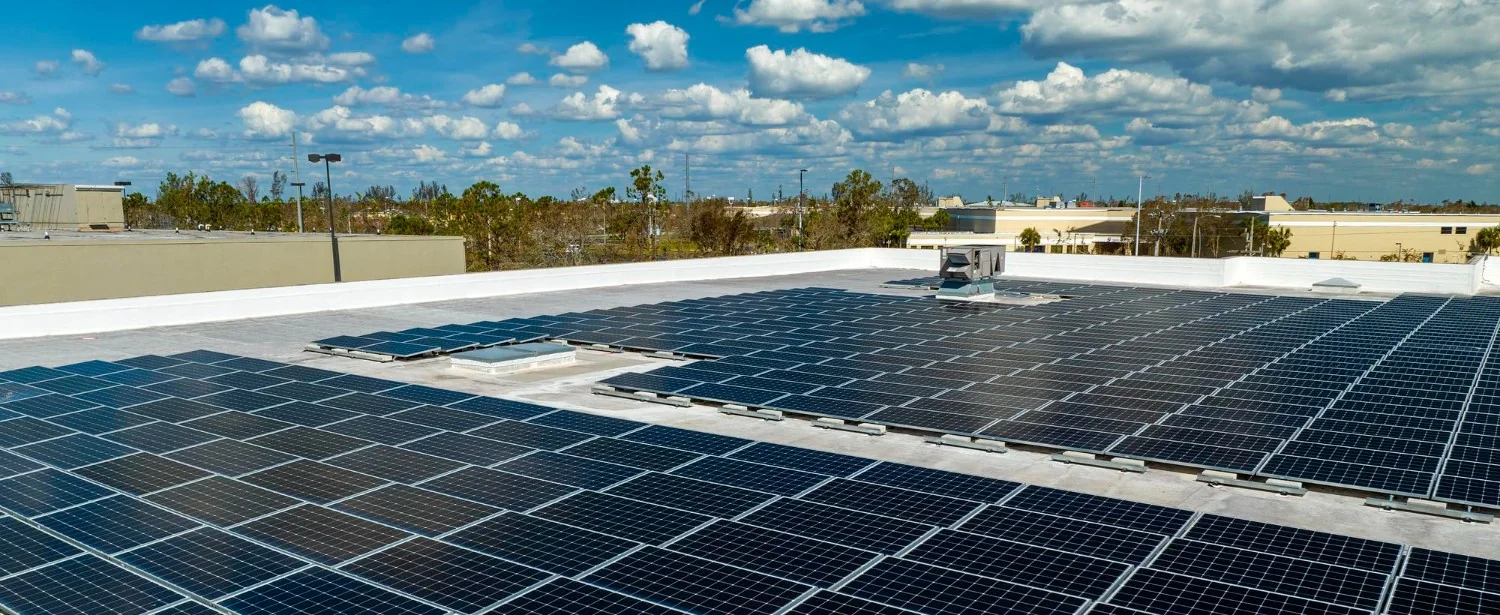
<ul><li><i>India’s rooftop solar capacity reached 30.7 GW in July 2026, increasing the need for better grid management and flexibility.</i></li><li><i>Kerala and Maharashtra are exploring battery ener…

• 𝘛𝘩𝘦 𝘌𝘐𝘉 𝘎𝘳𝘰𝘶𝘱 𝘱𝘭𝘢𝘯𝘴 𝘵𝘰 𝘱𝘳𝘰𝘷𝘪𝘥𝘦 𝘢𝘵 𝘭𝘦𝘢𝘴𝘵 €30 𝘣𝘪𝘭𝘭𝘪𝘰𝘯 𝘧𝘰𝘳 𝘤𝘭𝘪𝘮𝘢𝘵𝘦 𝘢𝘥𝘢𝘱𝘵𝘢𝘵𝘪𝘰𝘯 𝘣𝘦𝘵𝘸𝘦𝘦𝘯 2026 𝘢𝘯𝘥 2030. • 𝘛𝘩𝘦 𝘯𝘦𝘸 𝘵𝘢𝘳𝘨𝘦𝘵 𝘥𝘰𝘶𝘣𝘭𝘦𝘴 𝘢𝘥𝘢𝘱𝘵𝘢𝘵𝘪𝘰𝘯 𝘧𝘪𝘯𝘢𝘯𝘤𝘪𝘯𝘨 𝘤𝘰𝘮𝘱𝘢𝘳𝘦𝘥 𝘸𝘪𝘵𝘩 𝘵𝘩𝘦 𝘱𝘳𝘦𝘷𝘪𝘰𝘶𝘴 𝘧𝘪𝘷𝘦-𝘺𝘦𝘢𝘳 𝘱𝘦𝘳𝘪𝘰𝘥. • 𝘍𝘶𝘯𝘥𝘪𝘯𝘨…