


26 August 2025
Qatar made remarkable strides in food security by significantly boosting local production of essential commodities such as fresh dairy, poultry, vegetables, and fish. By 2025, self-sufficiency rates reached approximately 98% in fresh dairy and poultry, while strategic vegetables achieved 39% and fresh fish surpassed 65%.
These achievements reflected the country's ongoing efforts to reduce reliance on imports, stabilize supply chains, and ensure national food resilience in the face of global disruptions.
The National Food Security Strategy 2030 guided this progress by focusing on sustainable use of natural resources, particularly land and water. The strategy emphasized increasing production of perishable goods locally, while building strategic reserves for long-lasting commodities like wheat, sugar, and frozen poultry.
Qatar also aimed to reduce food waste, cut groundwater usage by 70%, and improve agricultural efficiency, all of which contributed to its long-term sustainability and food system resilience.
The private sector played a pivotal role in these developments, contributing through greenhouse vegetable cultivation, aquaculture, red meat fattening projects, and managing food storage and recycling operations.
The government fostered strong public-private partnerships to implement initiatives, integrate innovation, and ensure adaptability to environmental and economic challenges. These partnerships were vital during crises such as the Covid-19 pandemic, reinforcing Qatar’s ability to maintain a stable food supply.
Furthermore, the Qatar Chamber and its Food Security and Environment Committee actively encouraged private investment in food security through joint ventures, research, and regulatory collaboration.
With initiatives targeting increased self-sufficiency in vegetables, eggs, and red meat by 2030, Qatar solidified its position as a regional leader in sustainable food systems. This momentum, built on coordinated strategies and sector-wide collaboration, laid the foundation for a secure and self-reliant agricultural future.
Food-security strengthening through local production changes agri-food investment and sourcing narratives for Gulf-based corporates - and it opens investment in controlled-environment agriculture and food-tech that didn't have the same runway before. Our supply-chain-and-operations and impact-assessment teams help clients evaluate what food-security frameworks mean for Scope 3 sourcing and disclosure.
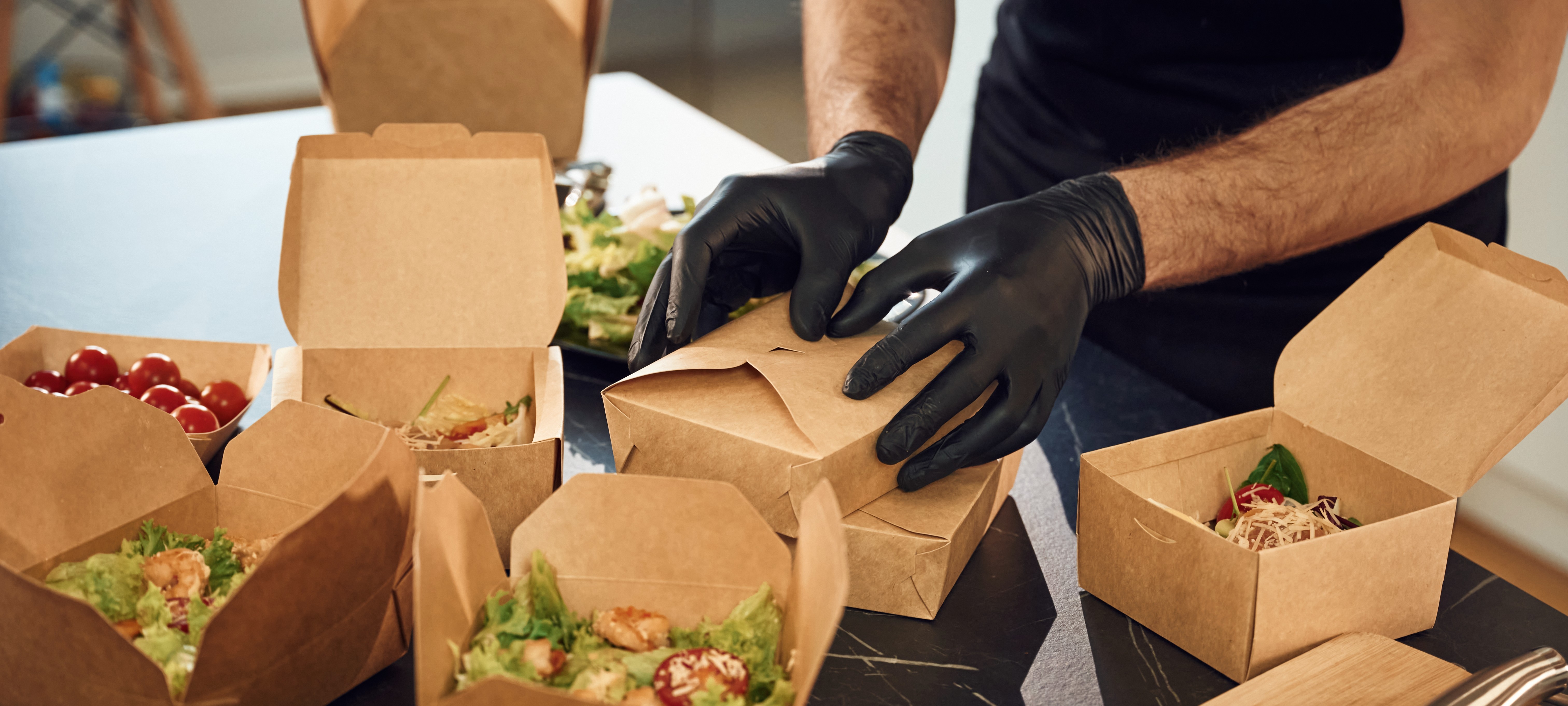
• 𝘛𝘩𝘦 𝘜𝘈𝘌 𝘍𝘰𝘰𝘥 𝘉𝘢𝘯𝘬 𝘢𝘯𝘥 𝘋𝘶𝘣𝘢𝘪’𝘴 𝘊𝘰𝘮𝘮𝘶𝘯𝘪𝘵𝘺 𝘋𝘦𝘷𝘦𝘭𝘰𝘱𝘮𝘦𝘯𝘵 𝘈𝘶𝘵𝘩𝘰𝘳𝘪𝘵𝘺 (𝘊𝘋𝘈) 𝘩𝘢𝘷𝘦 𝘴𝘪𝘨𝘯𝘦𝘥 𝘢𝘯 𝘢𝘨𝘳𝘦𝘦𝘮𝘦𝘯𝘵 𝘵𝘰 𝘤𝘰𝘭𝘭𝘦𝘤𝘵 𝘢𝘯𝘥 𝘳𝘦𝘥𝘪𝘴𝘵𝘳𝘪𝘣𝘶𝘵𝘦 𝘴𝘶𝘳𝘱𝘭𝘶𝘴 𝘧𝘰𝘰𝘥 𝘧𝘳𝘰𝘮 𝘸𝘦𝘥𝘥𝘪𝘯𝘨𝘴 𝘢𝘯𝘥 𝘦𝘷𝘦𝘯𝘵𝘴. • 𝘛𝘩𝘦 𝘪𝘯𝘪𝘵𝘪𝘢𝘵𝘪𝘷𝘦 𝘸𝘪𝘭𝘭 𝘧𝘰𝘭𝘭𝘰𝘸 𝘢𝘱𝘱𝘳𝘰𝘷𝘦𝘥…
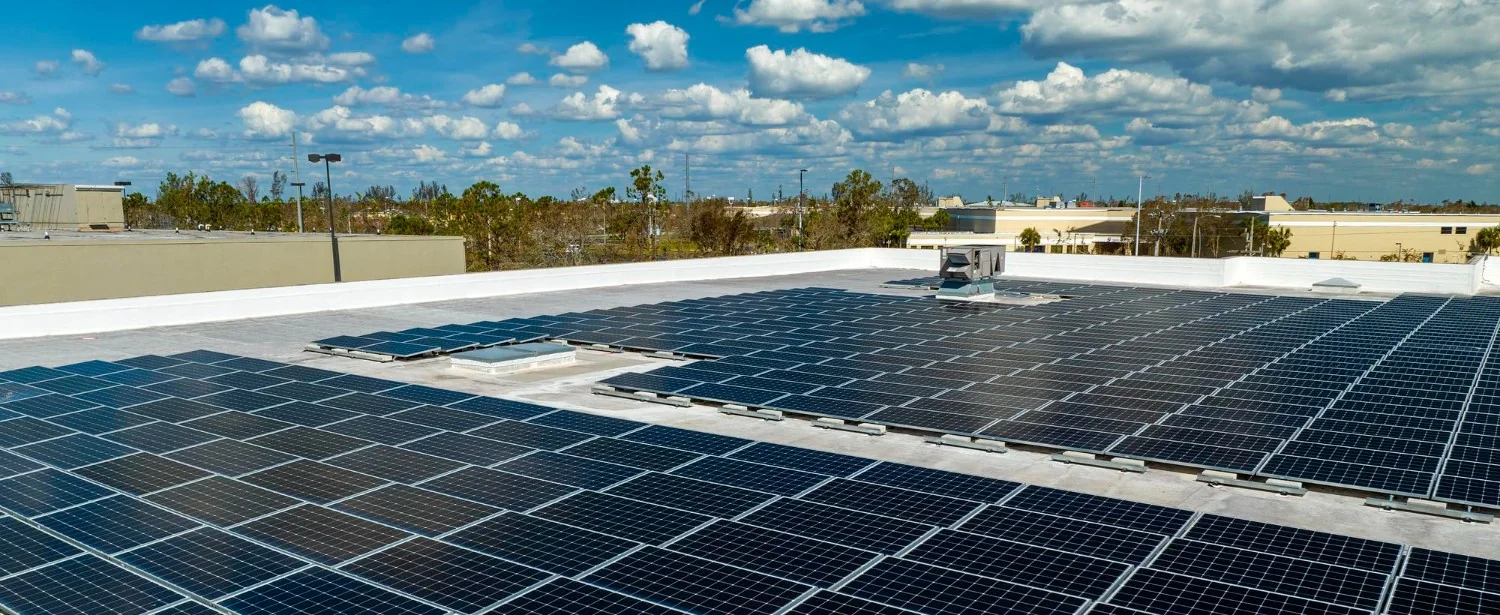
<ul><li><i>India’s rooftop solar capacity reached 30.7 GW in July 2026, increasing the need for better grid management and flexibility.</i></li><li><i>Kerala and Maharashtra are exploring battery ener…
• 𝘛𝘩𝘦 𝘌𝘐𝘉 𝘎𝘳𝘰𝘶𝘱 𝘱𝘭𝘢𝘯𝘴 𝘵𝘰 𝘱𝘳𝘰𝘷𝘪𝘥𝘦 𝘢𝘵 𝘭𝘦𝘢𝘴𝘵 €30 𝘣𝘪𝘭𝘭𝘪𝘰𝘯 𝘧𝘰𝘳 𝘤𝘭𝘪𝘮𝘢𝘵𝘦 𝘢𝘥𝘢𝘱𝘵𝘢𝘵𝘪𝘰𝘯 𝘣𝘦𝘵𝘸𝘦𝘦𝘯 2026 𝘢𝘯𝘥 2030. • 𝘛𝘩𝘦 𝘯𝘦𝘸 𝘵𝘢𝘳𝘨𝘦𝘵 𝘥𝘰𝘶𝘣𝘭𝘦𝘴 𝘢𝘥𝘢𝘱𝘵𝘢𝘵𝘪𝘰𝘯 𝘧𝘪𝘯𝘢𝘯𝘤𝘪𝘯𝘨 𝘤𝘰𝘮𝘱𝘢𝘳𝘦𝘥 𝘸𝘪𝘵𝘩 𝘵𝘩𝘦 𝘱𝘳𝘦𝘷𝘪𝘰𝘶𝘴 𝘧𝘪𝘷𝘦-𝘺𝘦𝘢𝘳 𝘱𝘦𝘳𝘪𝘰𝘥. • 𝘍𝘶𝘯𝘥𝘪𝘯𝘨…