


13 July 2026
The Ministry of Endowments and Islamic Affairs in Qatar has inaugurated the country's first smart mosque, integrating renewable energy and water-saving technologies to promote sustainable religious infrastructure. Located in the Muaither district, the Qais bin Saad bin Ubadah Mosque has been built on a 4,015-square-metre site and can accommodate approximately 350 worshippers, with dedicated spaces for both men and women.
The mosque features intelligent automation systems that monitor and optimise electricity and water consumption. Solar photovoltaic panels generate power for lighting and air conditioning, while a water recycling system repurposes ablution water for restroom use and landscape irrigation, significantly improving resource efficiency.
The project forms part of the ministry's 2025–2030 Strategic Plan, which focuses on modernising mosque infrastructure, improving operational efficiency, integrating smart technologies, and advancing sustainability across endowment-supported facilities. It also aligns with Qatar National Vision 2030, supporting the country's broader objectives of sustainable development, environmental stewardship, and enhanced community services through religious institutions.
Sustainable religious infrastructure represents an under-appreciated opportunity for embedding low-carbon operations at scale - mosques, churches, temples and other worship facilities across many jurisdictions have significant collective energy and water footprints. Qatar's smart-mosque project - solar PV, water recycling, intelligent building management - demonstrates that sustainability principles apply across all facility categories, not just commercial buildings.
The parallel integration with Qatar's 2025-2030 Endowments Strategic Plan signals institutional commitment beyond pilot projects. When endowment authorities systematically embed sustainability into facility standards, the resulting portfolio impact - potentially thousands of facilities over decades - can be substantial.
For religious authorities, endowment funds, construction companies and technology providers active in sustainable building infrastructure, Cognitud's climate action, circular economy and impact assessment teams help clients design sustainability standards for facility portfolios, evaluate technology partnerships for building automation and renewable integration, and prepare disclosures aligned with LEED, WELL and jurisdictional building-sustainability frameworks.

• 𝘛𝘩𝘦 𝘜𝘈𝘌 𝘍𝘰𝘰𝘥 𝘉𝘢𝘯𝘬 𝘢𝘯𝘥 𝘋𝘶𝘣𝘢𝘪’𝘴 𝘊𝘰𝘮𝘮𝘶𝘯𝘪𝘵𝘺 𝘋𝘦𝘷𝘦𝘭𝘰𝘱𝘮𝘦𝘯𝘵 𝘈𝘶𝘵𝘩𝘰𝘳𝘪𝘵𝘺 (𝘊𝘋𝘈) 𝘩𝘢𝘷𝘦 𝘴𝘪𝘨𝘯𝘦𝘥 𝘢𝘯 𝘢𝘨𝘳𝘦𝘦𝘮𝘦𝘯𝘵 𝘵𝘰 𝘤𝘰𝘭𝘭𝘦𝘤𝘵 𝘢𝘯𝘥 𝘳𝘦𝘥𝘪𝘴𝘵𝘳𝘪𝘣𝘶𝘵𝘦 𝘴𝘶𝘳𝘱𝘭𝘶𝘴 𝘧𝘰𝘰𝘥 𝘧𝘳𝘰𝘮 𝘸𝘦𝘥𝘥𝘪𝘯𝘨𝘴 𝘢𝘯𝘥 𝘦𝘷𝘦𝘯𝘵𝘴. • 𝘛𝘩𝘦 𝘪𝘯𝘪𝘵𝘪𝘢𝘵𝘪𝘷𝘦 𝘸𝘪𝘭𝘭 𝘧𝘰𝘭𝘭𝘰𝘸 𝘢𝘱𝘱𝘳𝘰𝘷𝘦𝘥…
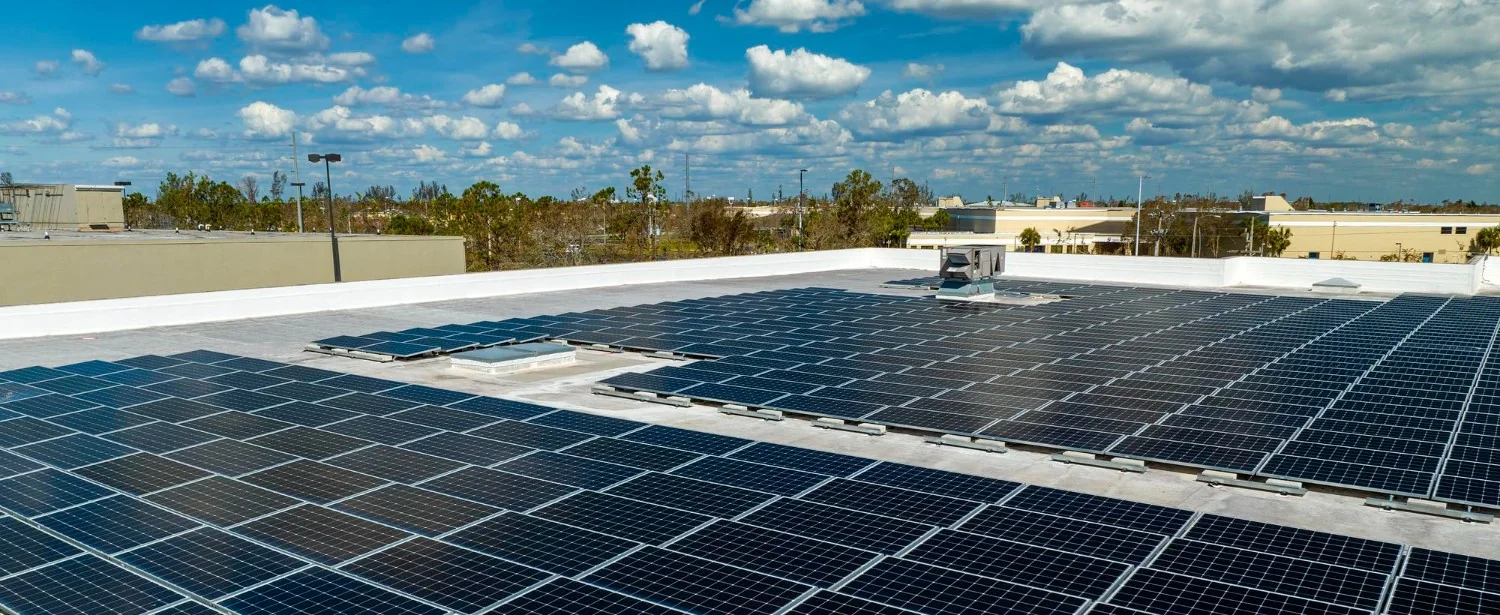
<ul><li><i>India’s rooftop solar capacity reached 30.7 GW in July 2026, increasing the need for better grid management and flexibility.</i></li><li><i>Kerala and Maharashtra are exploring battery ener…

• 𝘛𝘩𝘦 𝘌𝘐𝘉 𝘎𝘳𝘰𝘶𝘱 𝘱𝘭𝘢𝘯𝘴 𝘵𝘰 𝘱𝘳𝘰𝘷𝘪𝘥𝘦 𝘢𝘵 𝘭𝘦𝘢𝘴𝘵 €30 𝘣𝘪𝘭𝘭𝘪𝘰𝘯 𝘧𝘰𝘳 𝘤𝘭𝘪𝘮𝘢𝘵𝘦 𝘢𝘥𝘢𝘱𝘵𝘢𝘵𝘪𝘰𝘯 𝘣𝘦𝘵𝘸𝘦𝘦𝘯 2026 𝘢𝘯𝘥 2030. • 𝘛𝘩𝘦 𝘯𝘦𝘸 𝘵𝘢𝘳𝘨𝘦𝘵 𝘥𝘰𝘶𝘣𝘭𝘦𝘴 𝘢𝘥𝘢𝘱𝘵𝘢𝘵𝘪𝘰𝘯 𝘧𝘪𝘯𝘢𝘯𝘤𝘪𝘯𝘨 𝘤𝘰𝘮𝘱𝘢𝘳𝘦𝘥 𝘸𝘪𝘵𝘩 𝘵𝘩𝘦 𝘱𝘳𝘦𝘷𝘪𝘰𝘶𝘴 𝘧𝘪𝘷𝘦-𝘺𝘦𝘢𝘳 𝘱𝘦𝘳𝘪𝘰𝘥. • 𝘍𝘶𝘯𝘥𝘪𝘯𝘨…