

08 January 2026
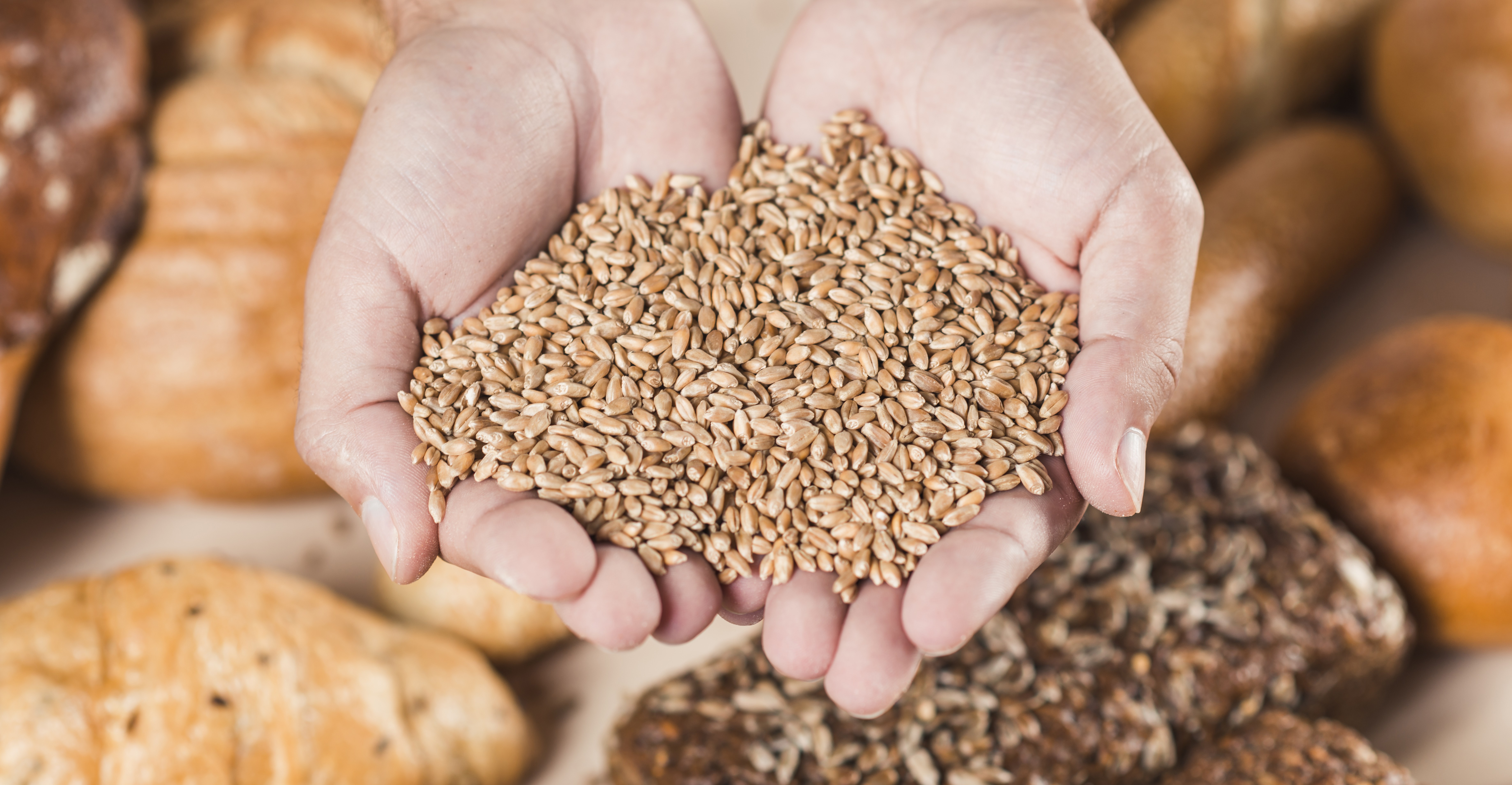
Qatar Charity launched a comprehensive initiative aimed at supporting the wheat value chain in critical agricultural regions of Syria, particularly in the rural areas of Idlib and Aleppo. The project responds to escalating challenges faced by Syrian farmers, including rising production costs and declining yields, which have adversely affected food availability and household incomes among vulnerable communities.
The programme is designed to support local agricultural production through interventions covering the entire wheat production cycle. This includes the distribution of agricultural inputs such as seeds, fertilisers and support for harvesting costs, targeting a total of 300 farmers in selected rural areas.
Of these, 200 are wheat growers and 100 are barley farmers, all of whom will receive essential resources and technical support to enhance their productivity and build resilience against economic pressures.
In addition to input provision, the project also involves buying locally produced wheat, which is then milled into flour in regional silos for subsequent distribution to bakeries. Through this model, approximately 918 tonnes of wheat are processed into 720 tonnes of flour, with defined allocations made for bakeries in both Idlib and Aleppo.
Over the course of a full year, the initiative is expected to yield an estimated 1.27 million loaves of bread per day, supporting nearly 3,000 families who rely on this staple food for daily nutrition.
Beyond immediate food security impacts, the project also includes the establishment of an integrated agricultural support unit equipped with modern farming machinery, tools and maintenance services. It provides links to agricultural support services to improve operational efficiency and long‑term sustainability.
In Aleppo, the programme additionally empowers women by establishing community ovens managed by female‑headed households, offering employment opportunities and enhancing economic participation among rural women.
Cross-border food-security programmes intersect with agri-food sustainable-sourcing and impact-linked disclosure, and they matter for global agri-food corporates managing Scope 3 and community-partnership exposure in fragile geographies. Our supply-chain-and-operations and CSR teams help clients evaluate what these initiatives mean for sourcing strategy and impact disclosure.
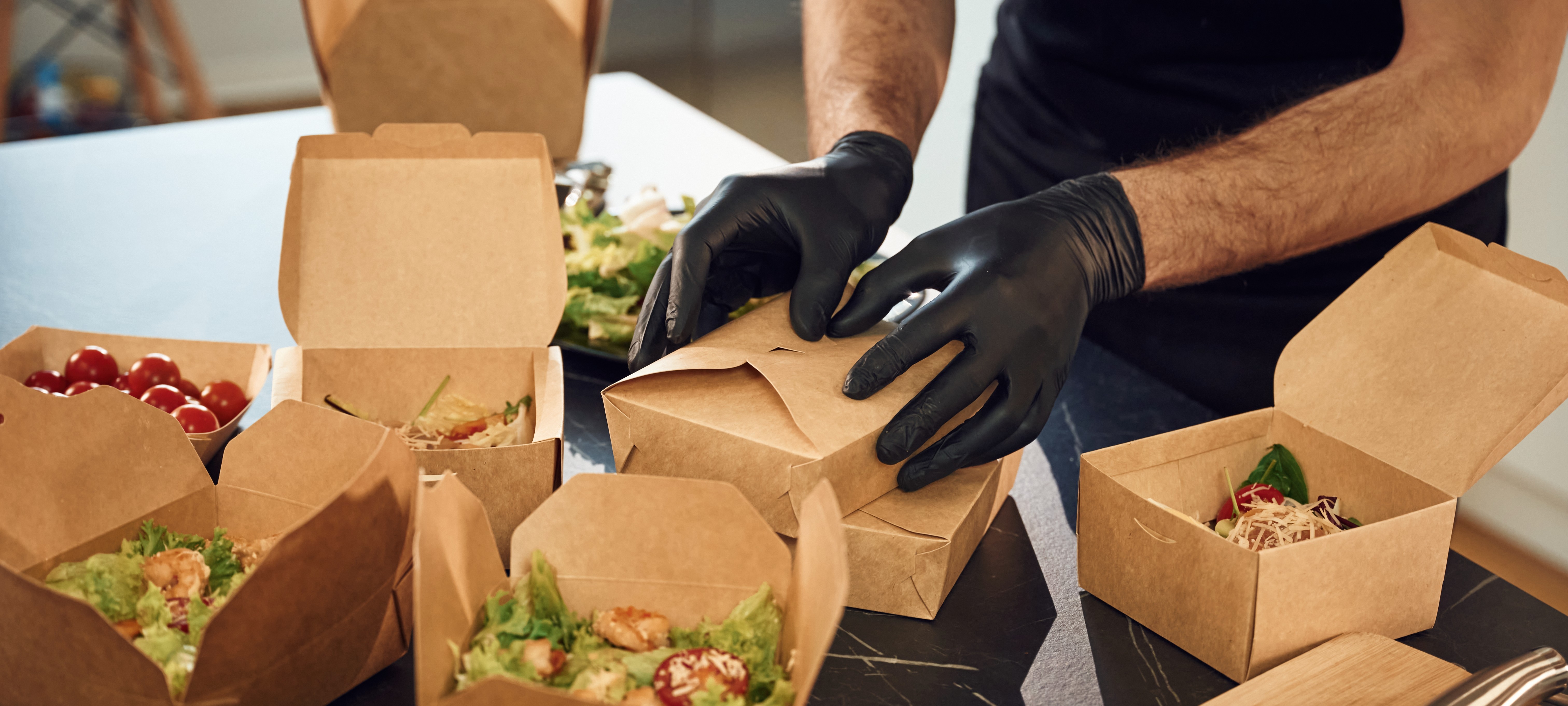
• 𝘛𝘩𝘦 𝘜𝘈𝘌 𝘍𝘰𝘰𝘥 𝘉𝘢𝘯𝘬 𝘢𝘯𝘥 𝘋𝘶𝘣𝘢𝘪’𝘴 𝘊𝘰𝘮𝘮𝘶𝘯𝘪𝘵𝘺 𝘋𝘦𝘷𝘦𝘭𝘰𝘱𝘮𝘦𝘯𝘵 𝘈𝘶𝘵𝘩𝘰𝘳𝘪𝘵𝘺 (𝘊𝘋𝘈) 𝘩𝘢𝘷𝘦 𝘴𝘪𝘨𝘯𝘦𝘥 𝘢𝘯 𝘢𝘨𝘳𝘦𝘦𝘮𝘦𝘯𝘵 𝘵𝘰 𝘤𝘰𝘭𝘭𝘦𝘤𝘵 𝘢𝘯𝘥 𝘳𝘦𝘥𝘪𝘴𝘵𝘳𝘪𝘣𝘶𝘵𝘦 𝘴𝘶𝘳𝘱𝘭𝘶𝘴 𝘧𝘰𝘰𝘥 𝘧𝘳𝘰𝘮 𝘸𝘦𝘥𝘥𝘪𝘯𝘨𝘴 𝘢𝘯𝘥 𝘦𝘷𝘦𝘯𝘵𝘴. • 𝘛𝘩𝘦 𝘪𝘯𝘪𝘵𝘪𝘢𝘵𝘪𝘷𝘦 𝘸𝘪𝘭𝘭 𝘧𝘰𝘭𝘭𝘰𝘸 𝘢𝘱𝘱𝘳𝘰𝘷𝘦𝘥…
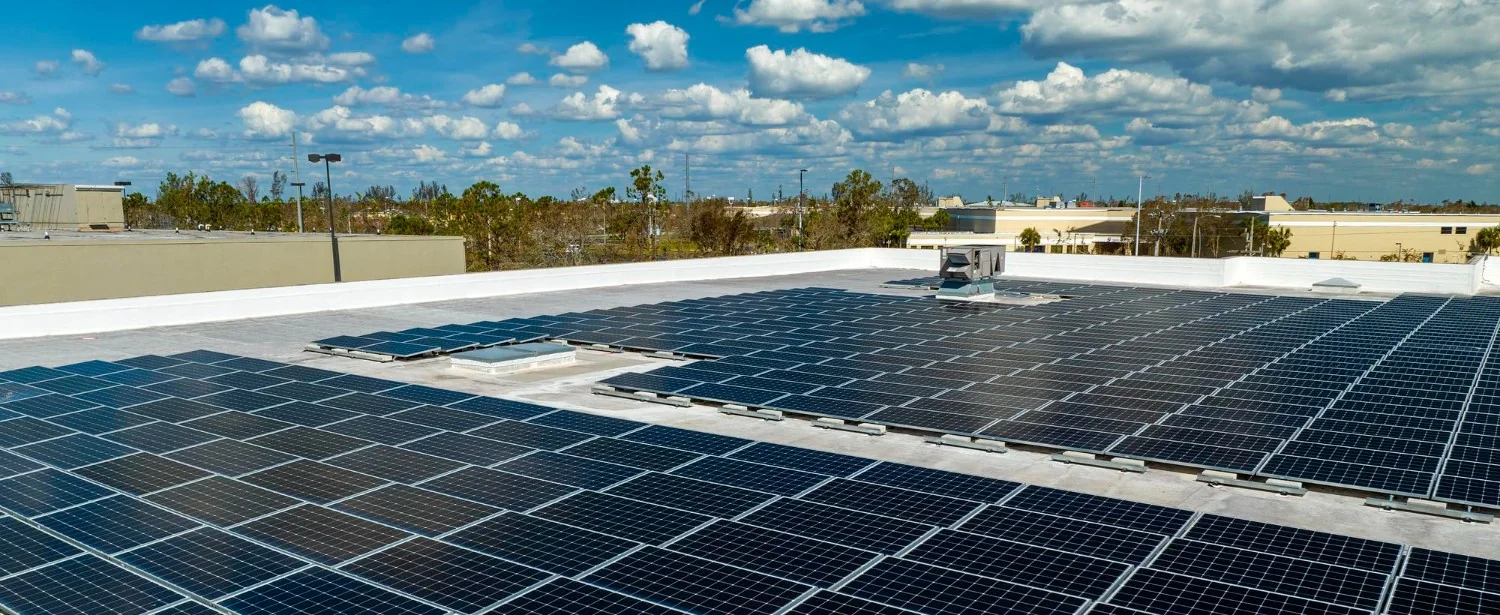
<ul><li><i>India’s rooftop solar capacity reached 30.7 GW in July 2026, increasing the need for better grid management and flexibility.</i></li><li><i>Kerala and Maharashtra are exploring battery ener…

• 𝘛𝘩𝘦 𝘌𝘐𝘉 𝘎𝘳𝘰𝘶𝘱 𝘱𝘭𝘢𝘯𝘴 𝘵𝘰 𝘱𝘳𝘰𝘷𝘪𝘥𝘦 𝘢𝘵 𝘭𝘦𝘢𝘴𝘵 €30 𝘣𝘪𝘭𝘭𝘪𝘰𝘯 𝘧𝘰𝘳 𝘤𝘭𝘪𝘮𝘢𝘵𝘦 𝘢𝘥𝘢𝘱𝘵𝘢𝘵𝘪𝘰𝘯 𝘣𝘦𝘵𝘸𝘦𝘦𝘯 2026 𝘢𝘯𝘥 2030. • 𝘛𝘩𝘦 𝘯𝘦𝘸 𝘵𝘢𝘳𝘨𝘦𝘵 𝘥𝘰𝘶𝘣𝘭𝘦𝘴 𝘢𝘥𝘢𝘱𝘵𝘢𝘵𝘪𝘰𝘯 𝘧𝘪𝘯𝘢𝘯𝘤𝘪𝘯𝘨 𝘤𝘰𝘮𝘱𝘢𝘳𝘦𝘥 𝘸𝘪𝘵𝘩 𝘵𝘩𝘦 𝘱𝘳𝘦𝘷𝘪𝘰𝘶𝘴 𝘧𝘪𝘷𝘦-𝘺𝘦𝘢𝘳 𝘱𝘦𝘳𝘪𝘰𝘥. • 𝘍𝘶𝘯𝘥𝘪𝘯𝘨…