

01 September 2025
France and Germany took a significant step in Europe’s energy transition by adopting a joint energy roadmap that confirmed nuclear energy’s eligibility for EU financing. The move, agreed at the Franco-German Council of Ministers in Toulon, marked a shift in Germany’s stance as it endorsed the principle of “non-discrimination” between nuclear and renewables.
The agreement positioned nuclear energy on equal footing with renewable sources in European financing mechanisms, signaling momentum toward a more technology-neutral framework. This development was particularly notable given Germany’s earlier nuclear phase-out policy, underscoring a pragmatic shift in its approach to EU-level energy strategy.
While the agreement did not alter national strategies, it created a common stance in Brussels that could play a decisive role in shaping upcoming EU electricity market reform talks. Germany’s support for neutrality was viewed as a strategic political gesture, even without pursuing new nuclear projects.
Beyond energy, Paris and Berlin also validated joint commitments on trade, industry, digital sovereignty, and defense, though sensitive issues such as the EU-Mercosur agreement and future combat air system were left aside.
Germany's endorsement of "non-discrimination" between nuclear and renewables in EU financing represents a significant shift from its earlier nuclear-phase-out posture - even without pursuing new domestic nuclear projects. The Franco-German alignment, expressed jointly at Toulon, changes the political calculus for EU electricity market reform discussions in ways that could accelerate nuclear investment across other member states.
The technology-neutral framing has implications beyond nuclear. It signals a broader trajectory toward EU sustainable-finance frameworks that assess low-carbon contribution based on outcome (emissions displacement, grid stability, dispatchability) rather than technology category - a shift that would also benefit certain carbon-capture, hydrogen and storage technologies.
For nuclear developers, financial institutions, industrial power buyers and technology providers active in European clean-energy investment, Cognitud's energy transition, responsible investment and market intelligence teams help clients evaluate exposure to evolving EU financing eligibility, structure investment cases across nuclear and complementary firm-power technologies, and prepare disclosures aligned with EU taxonomy, CSRD and ISSB expectations.

• 𝘛𝘩𝘦 𝘜𝘈𝘌 𝘍𝘰𝘰𝘥 𝘉𝘢𝘯𝘬 𝘢𝘯𝘥 𝘋𝘶𝘣𝘢𝘪’𝘴 𝘊𝘰𝘮𝘮𝘶𝘯𝘪𝘵𝘺 𝘋𝘦𝘷𝘦𝘭𝘰𝘱𝘮𝘦𝘯𝘵 𝘈𝘶𝘵𝘩𝘰𝘳𝘪𝘵𝘺 (𝘊𝘋𝘈) 𝘩𝘢𝘷𝘦 𝘴𝘪𝘨𝘯𝘦𝘥 𝘢𝘯 𝘢𝘨𝘳𝘦𝘦𝘮𝘦𝘯𝘵 𝘵𝘰 𝘤𝘰𝘭𝘭𝘦𝘤𝘵 𝘢𝘯𝘥 𝘳𝘦𝘥𝘪𝘴𝘵𝘳𝘪𝘣𝘶𝘵𝘦 𝘴𝘶𝘳𝘱𝘭𝘶𝘴 𝘧𝘰𝘰𝘥 𝘧𝘳𝘰𝘮 𝘸𝘦𝘥𝘥𝘪𝘯𝘨𝘴 𝘢𝘯𝘥 𝘦𝘷𝘦𝘯𝘵𝘴. • 𝘛𝘩𝘦 𝘪𝘯𝘪𝘵𝘪𝘢𝘵𝘪𝘷𝘦 𝘸𝘪𝘭𝘭 𝘧𝘰𝘭𝘭𝘰𝘸 𝘢𝘱𝘱𝘳𝘰𝘷𝘦𝘥…
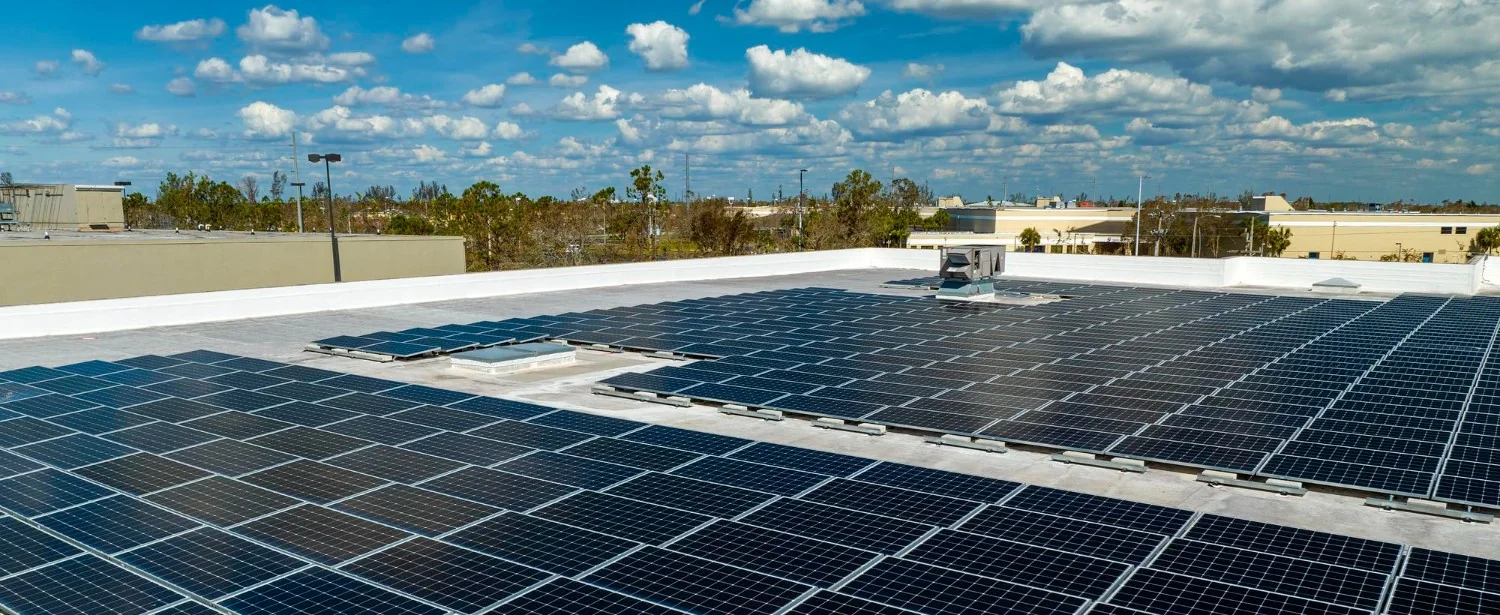
<ul><li><i>India’s rooftop solar capacity reached 30.7 GW in July 2026, increasing the need for better grid management and flexibility.</i></li><li><i>Kerala and Maharashtra are exploring battery ener…
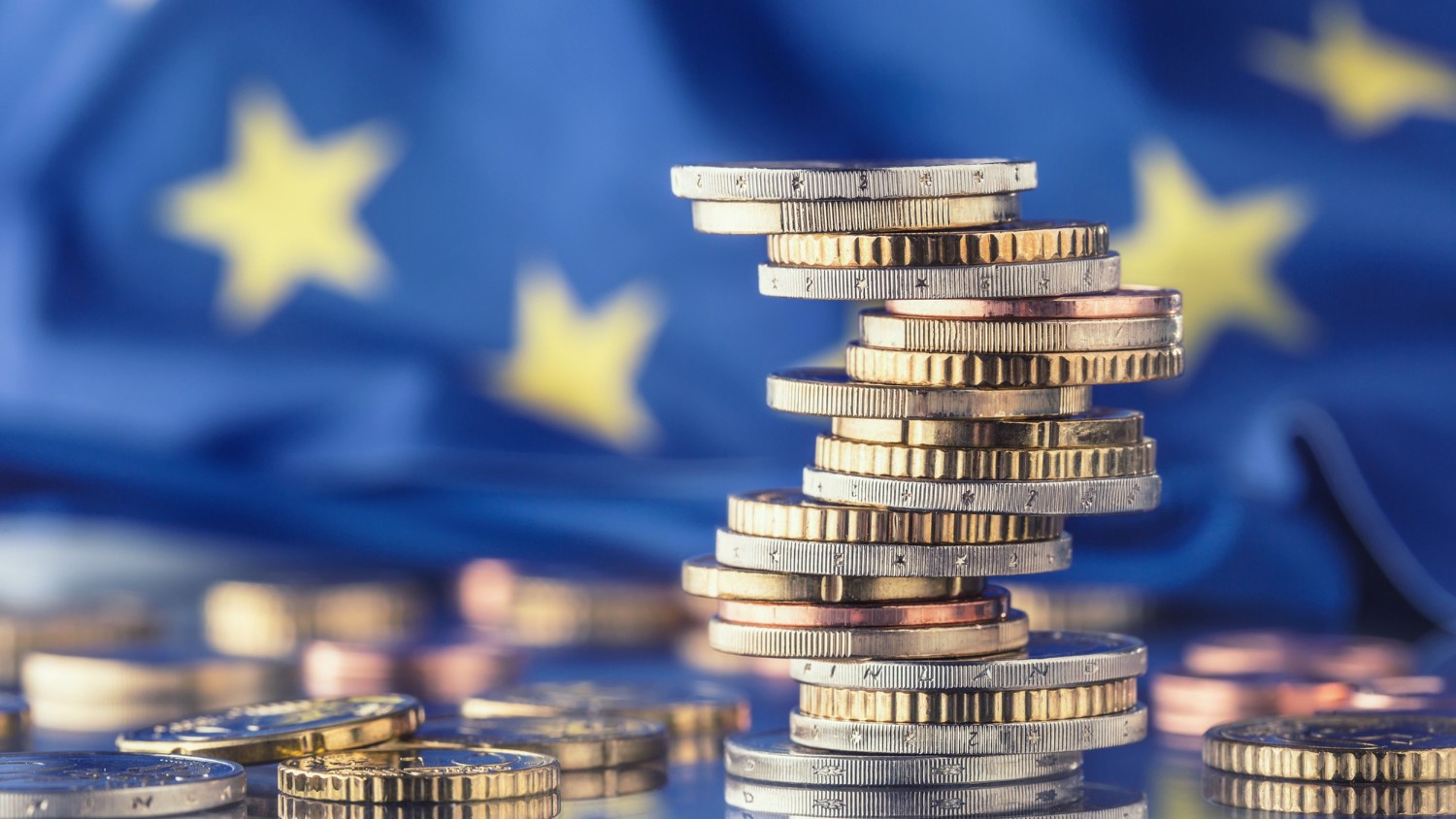
• 𝘛𝘩𝘦 𝘌𝘐𝘉 𝘎𝘳𝘰𝘶𝘱 𝘱𝘭𝘢𝘯𝘴 𝘵𝘰 𝘱𝘳𝘰𝘷𝘪𝘥𝘦 𝘢𝘵 𝘭𝘦𝘢𝘴𝘵 €30 𝘣𝘪𝘭𝘭𝘪𝘰𝘯 𝘧𝘰𝘳 𝘤𝘭𝘪𝘮𝘢𝘵𝘦 𝘢𝘥𝘢𝘱𝘵𝘢𝘵𝘪𝘰𝘯 𝘣𝘦𝘵𝘸𝘦𝘦𝘯 2026 𝘢𝘯𝘥 2030. • 𝘛𝘩𝘦 𝘯𝘦𝘸 𝘵𝘢𝘳𝘨𝘦𝘵 𝘥𝘰𝘶𝘣𝘭𝘦𝘴 𝘢𝘥𝘢𝘱𝘵𝘢𝘵𝘪𝘰𝘯 𝘧𝘪𝘯𝘢𝘯𝘤𝘪𝘯𝘨 𝘤𝘰𝘮𝘱𝘢𝘳𝘦𝘥 𝘸𝘪𝘵𝘩 𝘵𝘩𝘦 𝘱𝘳𝘦𝘷𝘪𝘰𝘶𝘴 𝘧𝘪𝘷𝘦-𝘺𝘦𝘢𝘳 𝘱𝘦𝘳𝘪𝘰𝘥. • 𝘍𝘶𝘯𝘥𝘪𝘯𝘨…