


05 February 2026
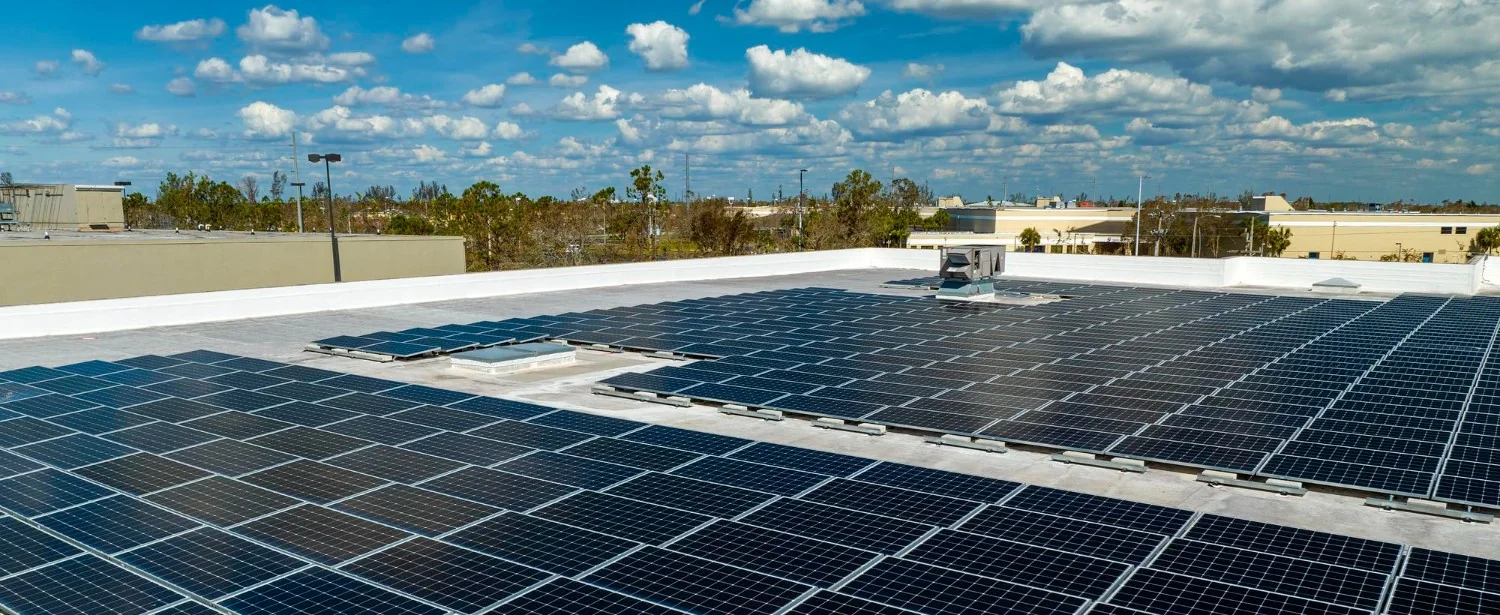
More than 1,026 residential rooftop solar systems have been installed under the PM Surya Ghar: Muft Bijli Yojana, reflecting growing adoption of decentralised solar power at the household level. The information was shared in Parliament by the Union Minister of State for New and Renewable Energy, highlighting the scheme’s progress since its rollout.
According to official data, around 1,542 applications have been submitted on the national portal so far. The scheme is open to all grid-connected residential electricity consumers and aims to simplify rooftop solar adoption by reducing procedural hurdles. Measures such as waiver of technical feasibility checks and automatic load enhancement for systems up to 10 kW have helped speed up installations.
Under the programme, households are eligible for central financial assistance of up to 60% for solar systems up to 2 kW, and 40% subsidy for the next 1 kW, with the subsidy capped at 3 kW. Beneficiaries can also receive up to 300 units of free electricity per month, significantly lowering monthly power bills. The scheme additionally provides access to collateral-free, low-interest loans, making rooftop solar more affordable.
The overall rooftop solar capacity in the region has reached 103 MWp across more than 11,600 installations. All government non-residential buildings have been equipped with rooftop solar systems, and several buildings have already achieved net-zero energy status, producing as much power annually as they consume. Officials say the progress aligns with broader national goals to expand clean energy, reduce emissions, and promote energy self-reliance at the household level.
PM Surya Ghar delivery numbers are a useful signal for how quickly Indian residential solar can scale, and they affect distributed-solar financing, installation supply chains and Scope 2 optionality for residential-adjacent corporates. Our energy-transition and responsible-investment teams help clients evaluate distributed-solar opportunities including their financing structures.

• 𝘛𝘩𝘦 𝘜𝘈𝘌 𝘍𝘰𝘰𝘥 𝘉𝘢𝘯𝘬 𝘢𝘯𝘥 𝘋𝘶𝘣𝘢𝘪’𝘴 𝘊𝘰𝘮𝘮𝘶𝘯𝘪𝘵𝘺 𝘋𝘦𝘷𝘦𝘭𝘰𝘱𝘮𝘦𝘯𝘵 𝘈𝘶𝘵𝘩𝘰𝘳𝘪𝘵𝘺 (𝘊𝘋𝘈) 𝘩𝘢𝘷𝘦 𝘴𝘪𝘨𝘯𝘦𝘥 𝘢𝘯 𝘢𝘨𝘳𝘦𝘦𝘮𝘦𝘯𝘵 𝘵𝘰 𝘤𝘰𝘭𝘭𝘦𝘤𝘵 𝘢𝘯𝘥 𝘳𝘦𝘥𝘪𝘴𝘵𝘳𝘪𝘣𝘶𝘵𝘦 𝘴𝘶𝘳𝘱𝘭𝘶𝘴 𝘧𝘰𝘰𝘥 𝘧𝘳𝘰𝘮 𝘸𝘦𝘥𝘥𝘪𝘯𝘨𝘴 𝘢𝘯𝘥 𝘦𝘷𝘦𝘯𝘵𝘴. • 𝘛𝘩𝘦 𝘪𝘯𝘪𝘵𝘪𝘢𝘵𝘪𝘷𝘦 𝘸𝘪𝘭𝘭 𝘧𝘰𝘭𝘭𝘰𝘸 𝘢𝘱𝘱𝘳𝘰𝘷𝘦𝘥…
<ul><li><i>India’s rooftop solar capacity reached 30.7 GW in July 2026, increasing the need for better grid management and flexibility.</i></li><li><i>Kerala and Maharashtra are exploring battery ener…

• 𝘛𝘩𝘦 𝘌𝘐𝘉 𝘎𝘳𝘰𝘶𝘱 𝘱𝘭𝘢𝘯𝘴 𝘵𝘰 𝘱𝘳𝘰𝘷𝘪𝘥𝘦 𝘢𝘵 𝘭𝘦𝘢𝘴𝘵 €30 𝘣𝘪𝘭𝘭𝘪𝘰𝘯 𝘧𝘰𝘳 𝘤𝘭𝘪𝘮𝘢𝘵𝘦 𝘢𝘥𝘢𝘱𝘵𝘢𝘵𝘪𝘰𝘯 𝘣𝘦𝘵𝘸𝘦𝘦𝘯 2026 𝘢𝘯𝘥 2030. • 𝘛𝘩𝘦 𝘯𝘦𝘸 𝘵𝘢𝘳𝘨𝘦𝘵 𝘥𝘰𝘶𝘣𝘭𝘦𝘴 𝘢𝘥𝘢𝘱𝘵𝘢𝘵𝘪𝘰𝘯 𝘧𝘪𝘯𝘢𝘯𝘤𝘪𝘯𝘨 𝘤𝘰𝘮𝘱𝘢𝘳𝘦𝘥 𝘸𝘪𝘵𝘩 𝘵𝘩𝘦 𝘱𝘳𝘦𝘷𝘪𝘰𝘶𝘴 𝘧𝘪𝘷𝘦-𝘺𝘦𝘢𝘳 𝘱𝘦𝘳𝘪𝘰𝘥. • 𝘍𝘶𝘯𝘥𝘪𝘯𝘨…