

15 April 2026
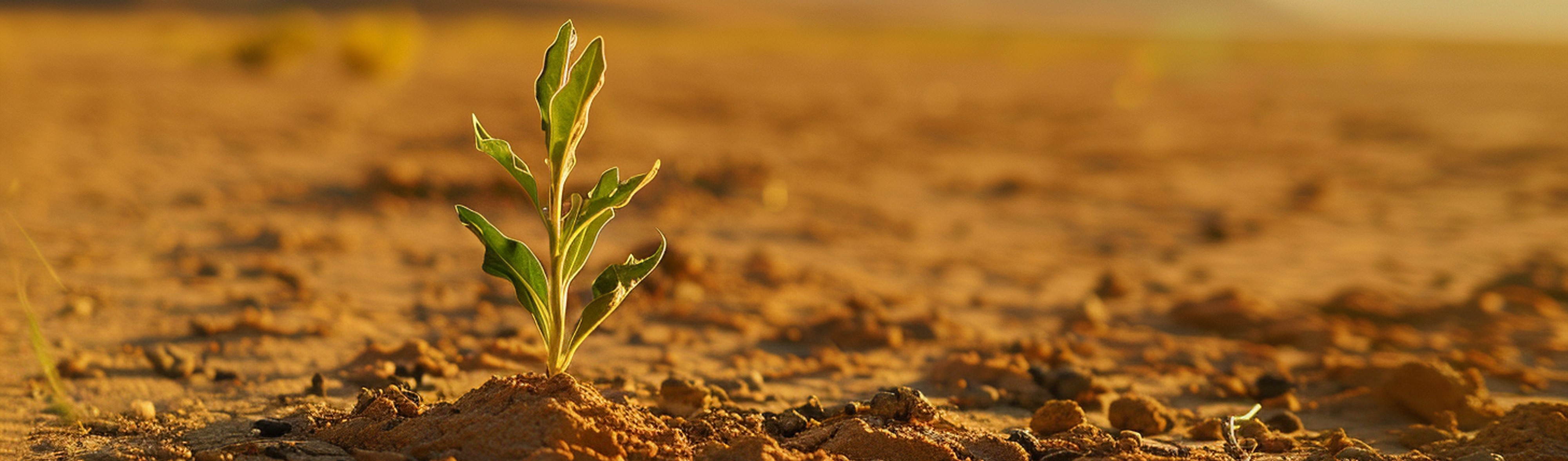
Oman’s Environment Authority has launched a new initiative to plant 50,000 native wild seeds across the Dakhliyah Governorate, as part of ongoing national efforts to combat desertification and restore natural ecosystems. The programme focuses on increasing vegetation cover in arid regions, helping to stabilise soil and improve environmental resilience.
The initiative uses indigenous plant species that are naturally adapted to Oman’s harsh desert climate. These species play a critical role in maintaining ecological balance, supporting biodiversity, and enhancing the long-term sustainability of local habitats. By prioritising native vegetation, authorities aim to ensure higher survival rates and stronger ecosystem recovery.
This effort forms part of Oman’s broader environmental strategy, which includes large-scale afforestation campaigns and a national target to expand green cover across the country. Similar initiatives-such as planting millions of seeds in other regions-highlight a coordinated government approach to tackling land degradation and climate-related challenges.
Officials emphasised that such programmes are essential for addressing desertification, preserving natural resources, and strengthening climate resilience. By restoring degraded land and promoting sustainable land management practices, Oman aims to protect its ecosystems while aligning with long-term sustainability goals under its national development framework.
Native-species seed programmes for desertification response reflect appropriate ecological-science understanding. Non-native tree-planting in arid environments frequently fails due to species-climate mismatch or creates invasive-species risk; indigenous species combined with landscape-appropriate deployment deliver substantially better survival rates and ecosystem outcomes.
The desertification-response framing is analytically important for Gulf jurisdictions. Land degradation in arid environments has multi-dimensional consequences - reduced ecological productivity, soil-and-groundwater degradation, dust-storm intensification with cross-border air-quality impact. Well-designed restoration programmes address multiple environmental outcomes simultaneously.
For corporates operating in Oman, financial institutions with GCC portfolio exposure, ecosystem-restoration technology providers and consultancies, Cognitud's nature-based solutions, impact assessment and sustainability due diligence teams help clients evaluate desertification-response and broader nature-restoration opportunities, structure long-term ecosystem-partnership programmes, and prepare disclosures aligned with TNFD, SBTN, GBF, ISSB and jurisdictional biodiversity frameworks.

• 𝘛𝘩𝘦 𝘜𝘈𝘌 𝘍𝘰𝘰𝘥 𝘉𝘢𝘯𝘬 𝘢𝘯𝘥 𝘋𝘶𝘣𝘢𝘪’𝘴 𝘊𝘰𝘮𝘮𝘶𝘯𝘪𝘵𝘺 𝘋𝘦𝘷𝘦𝘭𝘰𝘱𝘮𝘦𝘯𝘵 𝘈𝘶𝘵𝘩𝘰𝘳𝘪𝘵𝘺 (𝘊𝘋𝘈) 𝘩𝘢𝘷𝘦 𝘴𝘪𝘨𝘯𝘦𝘥 𝘢𝘯 𝘢𝘨𝘳𝘦𝘦𝘮𝘦𝘯𝘵 𝘵𝘰 𝘤𝘰𝘭𝘭𝘦𝘤𝘵 𝘢𝘯𝘥 𝘳𝘦𝘥𝘪𝘴𝘵𝘳𝘪𝘣𝘶𝘵𝘦 𝘴𝘶𝘳𝘱𝘭𝘶𝘴 𝘧𝘰𝘰𝘥 𝘧𝘳𝘰𝘮 𝘸𝘦𝘥𝘥𝘪𝘯𝘨𝘴 𝘢𝘯𝘥 𝘦𝘷𝘦𝘯𝘵𝘴. • 𝘛𝘩𝘦 𝘪𝘯𝘪𝘵𝘪𝘢𝘵𝘪𝘷𝘦 𝘸𝘪𝘭𝘭 𝘧𝘰𝘭𝘭𝘰𝘸 𝘢𝘱𝘱𝘳𝘰𝘷𝘦𝘥…

<ul><li><i>India’s rooftop solar capacity reached 30.7 GW in July 2026, increasing the need for better grid management and flexibility.</i></li><li><i>Kerala and Maharashtra are exploring battery ener…

• 𝘛𝘩𝘦 𝘌𝘐𝘉 𝘎𝘳𝘰𝘶𝘱 𝘱𝘭𝘢𝘯𝘴 𝘵𝘰 𝘱𝘳𝘰𝘷𝘪𝘥𝘦 𝘢𝘵 𝘭𝘦𝘢𝘴𝘵 €30 𝘣𝘪𝘭𝘭𝘪𝘰𝘯 𝘧𝘰𝘳 𝘤𝘭𝘪𝘮𝘢𝘵𝘦 𝘢𝘥𝘢𝘱𝘵𝘢𝘵𝘪𝘰𝘯 𝘣𝘦𝘵𝘸𝘦𝘦𝘯 2026 𝘢𝘯𝘥 2030. • 𝘛𝘩𝘦 𝘯𝘦𝘸 𝘵𝘢𝘳𝘨𝘦𝘵 𝘥𝘰𝘶𝘣𝘭𝘦𝘴 𝘢𝘥𝘢𝘱𝘵𝘢𝘵𝘪𝘰𝘯 𝘧𝘪𝘯𝘢𝘯𝘤𝘪𝘯𝘨 𝘤𝘰𝘮𝘱𝘢𝘳𝘦𝘥 𝘸𝘪𝘵𝘩 𝘵𝘩𝘦 𝘱𝘳𝘦𝘷𝘪𝘰𝘶𝘴 𝘧𝘪𝘷𝘦-𝘺𝘦𝘢𝘳 𝘱𝘦𝘳𝘪𝘰𝘥. • 𝘍𝘶𝘯𝘥𝘪𝘯𝘨…