

07 July 2026
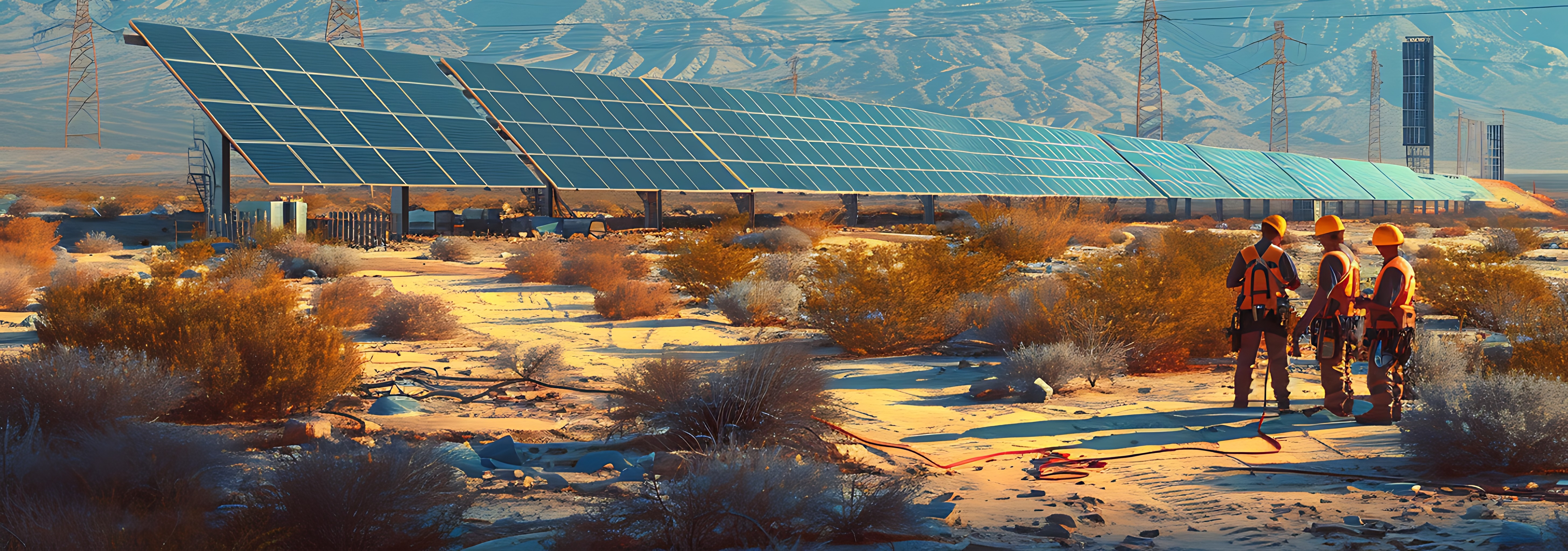
Oman has unveiled plans to develop four large-scale solar photovoltaic projects, each with a capacity of 1 gigawatt (GW), as part of its strategy to significantly expand renewable energy generation and strengthen energy security. The projects form a key component of the Sultanate's long-term energy transition roadmap and support its target of increasing the share of renewable energy in installed electricity capacity to 45% by 2030.
The planned solar projects will be developed at Adam, Al Kamil (Phase II), Thamrait and Mahadha, with implementation scheduled between 2028 and 2029. Alongside these developments, Oman also plans to expand its wind energy portfolio, creating a diversified renewable electricity mix capable of meeting growing power demand while reducing dependence on natural gas-fired generation.
The renewable energy expansion will be supported by upgrades to the national transmission network to ensure efficient integration of new solar and wind projects into the electricity grid. The programme aligns with Oman's broader objectives of improving energy resilience, enhancing fuel diversification and creating the infrastructure needed to support future clean energy industries, including green hydrogen production.
The latest plans reinforce Oman's commitment to accelerating its clean energy transition under Oman Vision 2040. By scaling up renewable power generation, the Sultanate aims to reduce carbon emissions, strengthen long-term energy sustainability and position itself as a leading renewable energy and green hydrogen hub in the region.
Four 1-GW solar projects in Oman would materially reshape Gulf renewable capacity availability, and they open new PPA optionality for corporates evaluating regional Scope 2 procurement. Our energy-transition and market-intelligence teams help clients evaluate Oman-versus-UAE-versus-Saudi PPA and green-hydrogen offtake options and align them with disclosure expectations.

• 𝘛𝘩𝘦 𝘜𝘈𝘌 𝘍𝘰𝘰𝘥 𝘉𝘢𝘯𝘬 𝘢𝘯𝘥 𝘋𝘶𝘣𝘢𝘪’𝘴 𝘊𝘰𝘮𝘮𝘶𝘯𝘪𝘵𝘺 𝘋𝘦𝘷𝘦𝘭𝘰𝘱𝘮𝘦𝘯𝘵 𝘈𝘶𝘵𝘩𝘰𝘳𝘪𝘵𝘺 (𝘊𝘋𝘈) 𝘩𝘢𝘷𝘦 𝘴𝘪𝘨𝘯𝘦𝘥 𝘢𝘯 𝘢𝘨𝘳𝘦𝘦𝘮𝘦𝘯𝘵 𝘵𝘰 𝘤𝘰𝘭𝘭𝘦𝘤𝘵 𝘢𝘯𝘥 𝘳𝘦𝘥𝘪𝘴𝘵𝘳𝘪𝘣𝘶𝘵𝘦 𝘴𝘶𝘳𝘱𝘭𝘶𝘴 𝘧𝘰𝘰𝘥 𝘧𝘳𝘰𝘮 𝘸𝘦𝘥𝘥𝘪𝘯𝘨𝘴 𝘢𝘯𝘥 𝘦𝘷𝘦𝘯𝘵𝘴. • 𝘛𝘩𝘦 𝘪𝘯𝘪𝘵𝘪𝘢𝘵𝘪𝘷𝘦 𝘸𝘪𝘭𝘭 𝘧𝘰𝘭𝘭𝘰𝘸 𝘢𝘱𝘱𝘳𝘰𝘷𝘦𝘥…

<ul><li><i>India’s rooftop solar capacity reached 30.7 GW in July 2026, increasing the need for better grid management and flexibility.</i></li><li><i>Kerala and Maharashtra are exploring battery ener…

• 𝘛𝘩𝘦 𝘌𝘐𝘉 𝘎𝘳𝘰𝘶𝘱 𝘱𝘭𝘢𝘯𝘴 𝘵𝘰 𝘱𝘳𝘰𝘷𝘪𝘥𝘦 𝘢𝘵 𝘭𝘦𝘢𝘴𝘵 €30 𝘣𝘪𝘭𝘭𝘪𝘰𝘯 𝘧𝘰𝘳 𝘤𝘭𝘪𝘮𝘢𝘵𝘦 𝘢𝘥𝘢𝘱𝘵𝘢𝘵𝘪𝘰𝘯 𝘣𝘦𝘵𝘸𝘦𝘦𝘯 2026 𝘢𝘯𝘥 2030. • 𝘛𝘩𝘦 𝘯𝘦𝘸 𝘵𝘢𝘳𝘨𝘦𝘵 𝘥𝘰𝘶𝘣𝘭𝘦𝘴 𝘢𝘥𝘢𝘱𝘵𝘢𝘵𝘪𝘰𝘯 𝘧𝘪𝘯𝘢𝘯𝘤𝘪𝘯𝘨 𝘤𝘰𝘮𝘱𝘢𝘳𝘦𝘥 𝘸𝘪𝘵𝘩 𝘵𝘩𝘦 𝘱𝘳𝘦𝘷𝘪𝘰𝘶𝘴 𝘧𝘪𝘷𝘦-𝘺𝘦𝘢𝘳 𝘱𝘦𝘳𝘪𝘰𝘥. • 𝘍𝘶𝘯𝘥𝘪𝘯𝘨…