

20 April 2026
Oman is planning three major low-carbon aluminium projects in the Special Economic Zone at Duqm (SEZAD), as part of its broader strategy to strengthen sustainable industrial development and diversify beyond traditional heavy industries. The initiative is being supported by the Public Authority for Special Economic Zones and Free Zones (OPAZ), with a focus on building a green aluminium production hub powered by cleaner energy sources.
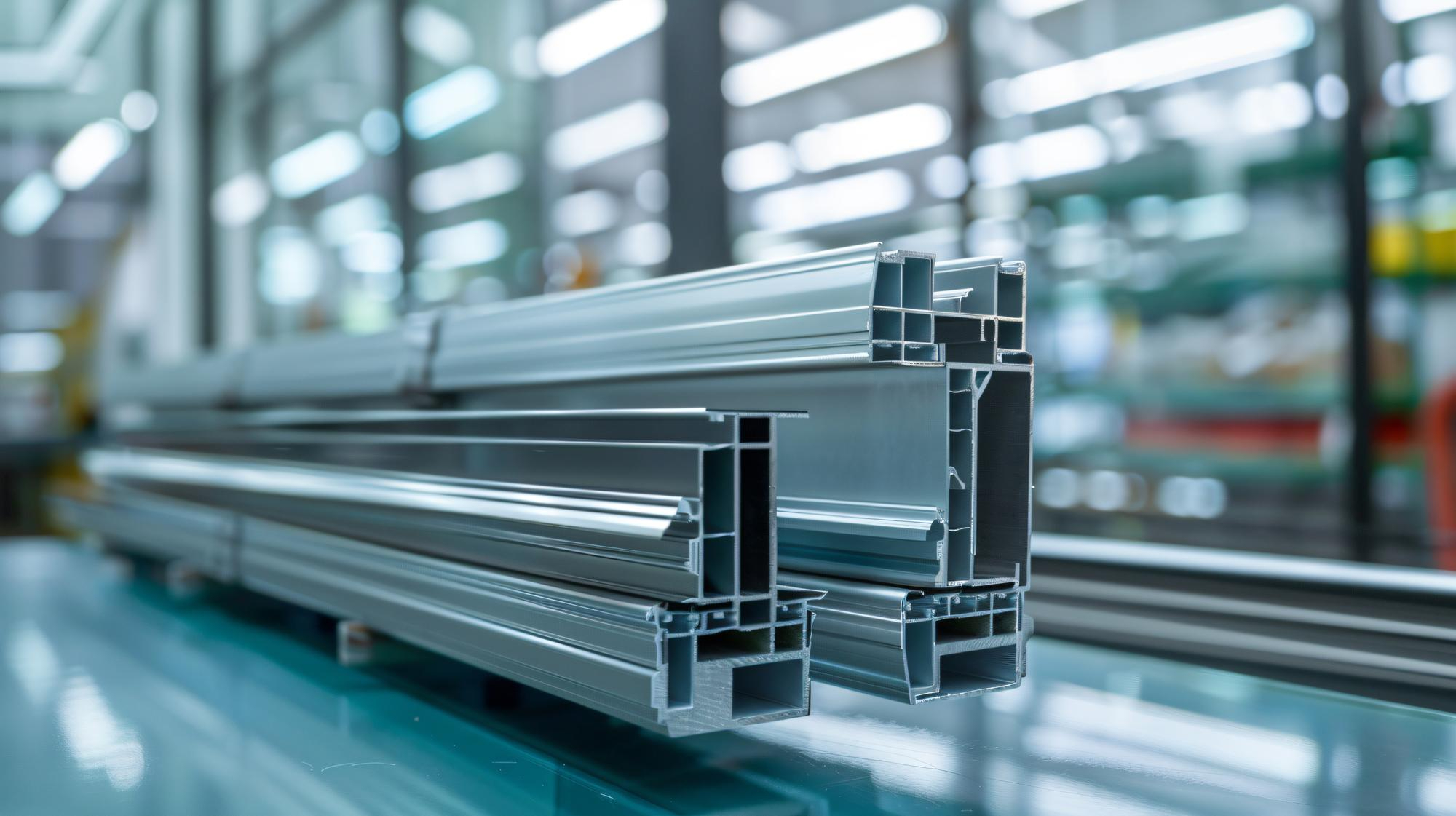
The largest proposed project is a new aluminium smelter backed by CMOC Group Limited, with an annual production capacity of 530,000 tonnes. Estimated at OMR 2.4 billion, the project will use low-carbon technologies and include downstream production capabilities for aluminium billets and pre-cast slabs, adding around 620,000 tonnes per year of value-added output.
Two additional projects-the Geely Green Aluminium Project and the Pearl Green Iron and Aluminium Project-are also under early-stage development with regional partners. All three initiatives are designed to use green hydrogen and other low-emission energy sources expected to become available in the region by around 2030, aligning with Oman’s long-term hydrogen strategy.
These developments support SEZAD’s wider vision of becoming a regional centre for sustainable metals manufacturing. By integrating renewable energy, hydrogen infrastructure, and industrial production, Oman aims to attract global investors, reduce carbon intensity in heavy industry, and strengthen its position as a low-carbon industrial hub in the Middle East.
Three green-aluminium projects in Duqm anchored to hydrogen supply arriving around 2030 is exactly the kind of long-dated industrial bet that European CBAM buyers will start pricing in soon - low-carbon primary metal is genuinely scarce. Our energy-transition and supply-chain-and-operations teams help clients evaluate green-aluminium offtake and investment opportunities against CBAM exposure and evolving embedded-emissions disclosure rules.

• 𝘛𝘩𝘦 𝘜𝘈𝘌 𝘍𝘰𝘰𝘥 𝘉𝘢𝘯𝘬 𝘢𝘯𝘥 𝘋𝘶𝘣𝘢𝘪’𝘴 𝘊𝘰𝘮𝘮𝘶𝘯𝘪𝘵𝘺 𝘋𝘦𝘷𝘦𝘭𝘰𝘱𝘮𝘦𝘯𝘵 𝘈𝘶𝘵𝘩𝘰𝘳𝘪𝘵𝘺 (𝘊𝘋𝘈) 𝘩𝘢𝘷𝘦 𝘴𝘪𝘨𝘯𝘦𝘥 𝘢𝘯 𝘢𝘨𝘳𝘦𝘦𝘮𝘦𝘯𝘵 𝘵𝘰 𝘤𝘰𝘭𝘭𝘦𝘤𝘵 𝘢𝘯𝘥 𝘳𝘦𝘥𝘪𝘴𝘵𝘳𝘪𝘣𝘶𝘵𝘦 𝘴𝘶𝘳𝘱𝘭𝘶𝘴 𝘧𝘰𝘰𝘥 𝘧𝘳𝘰𝘮 𝘸𝘦𝘥𝘥𝘪𝘯𝘨𝘴 𝘢𝘯𝘥 𝘦𝘷𝘦𝘯𝘵𝘴. • 𝘛𝘩𝘦 𝘪𝘯𝘪𝘵𝘪𝘢𝘵𝘪𝘷𝘦 𝘸𝘪𝘭𝘭 𝘧𝘰𝘭𝘭𝘰𝘸 𝘢𝘱𝘱𝘳𝘰𝘷𝘦𝘥…

<ul><li><i>India’s rooftop solar capacity reached 30.7 GW in July 2026, increasing the need for better grid management and flexibility.</i></li><li><i>Kerala and Maharashtra are exploring battery ener…

• 𝘛𝘩𝘦 𝘌𝘐𝘉 𝘎𝘳𝘰𝘶𝘱 𝘱𝘭𝘢𝘯𝘴 𝘵𝘰 𝘱𝘳𝘰𝘷𝘪𝘥𝘦 𝘢𝘵 𝘭𝘦𝘢𝘴𝘵 €30 𝘣𝘪𝘭𝘭𝘪𝘰𝘯 𝘧𝘰𝘳 𝘤𝘭𝘪𝘮𝘢𝘵𝘦 𝘢𝘥𝘢𝘱𝘵𝘢𝘵𝘪𝘰𝘯 𝘣𝘦𝘵𝘸𝘦𝘦𝘯 2026 𝘢𝘯𝘥 2030. • 𝘛𝘩𝘦 𝘯𝘦𝘸 𝘵𝘢𝘳𝘨𝘦𝘵 𝘥𝘰𝘶𝘣𝘭𝘦𝘴 𝘢𝘥𝘢𝘱𝘵𝘢𝘵𝘪𝘰𝘯 𝘧𝘪𝘯𝘢𝘯𝘤𝘪𝘯𝘨 𝘤𝘰𝘮𝘱𝘢𝘳𝘦𝘥 𝘸𝘪𝘵𝘩 𝘵𝘩𝘦 𝘱𝘳𝘦𝘷𝘪𝘰𝘶𝘴 𝘧𝘪𝘷𝘦-𝘺𝘦𝘢𝘳 𝘱𝘦𝘳𝘪𝘰𝘥. • 𝘍𝘶𝘯𝘥𝘪𝘯𝘨…