

22 April 2026
As the world marked Earth Day 2026, Oman highlighted its ongoing efforts to build a more sustainable future through clean energy expansion, environmental responsibility, and long-term climate planning. The country is aligning its national development strategy with global sustainability goals by prioritising renewable energy, green hydrogen, and low-carbon infrastructure development.
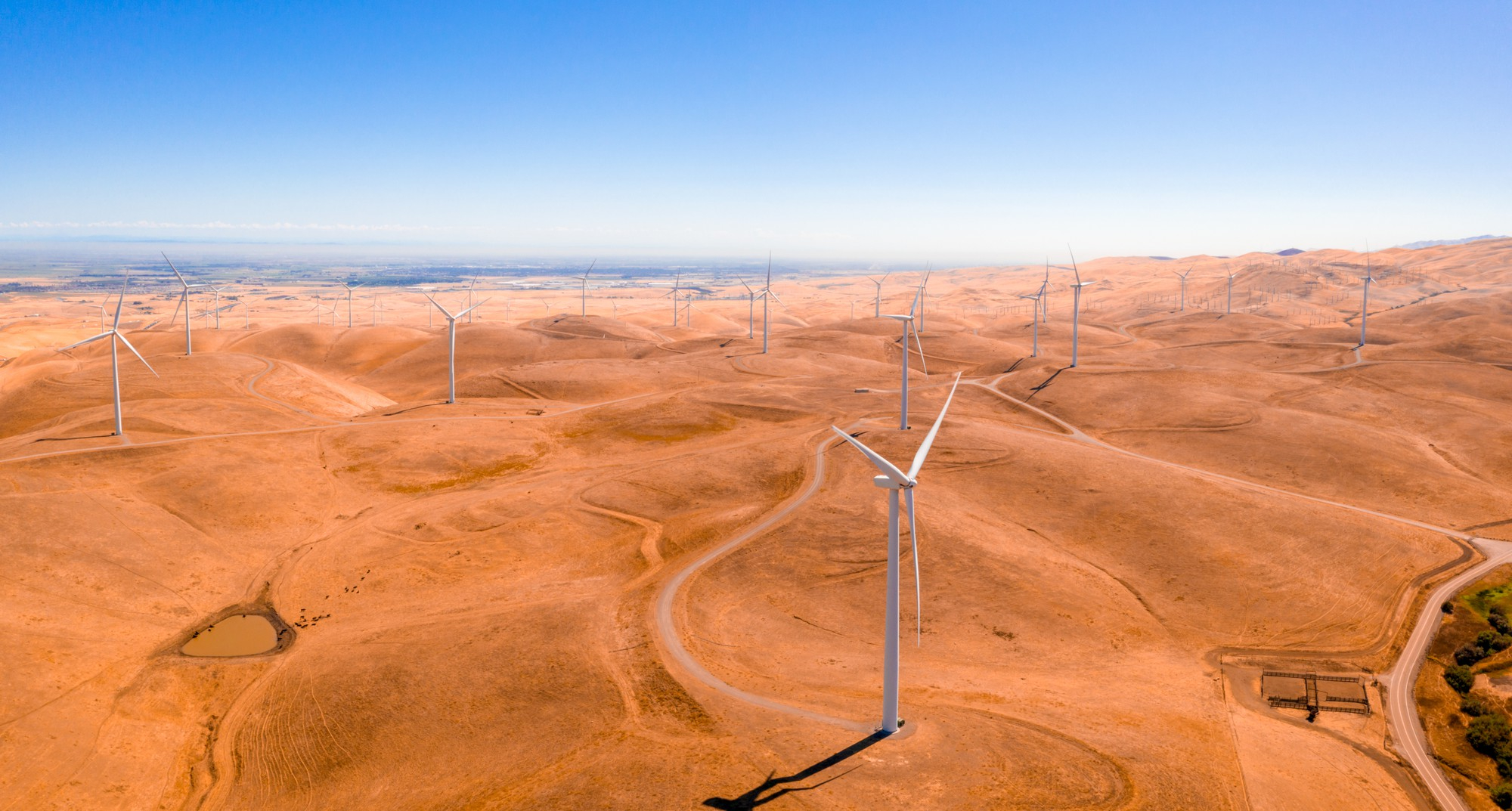
A major focus of Oman’s transition is the expansion of renewable energy generation, particularly solar and wind power, to reduce dependence on fossil fuels and improve energy security. Large-scale projects across the country are supporting this shift, while the government continues to create policy frameworks that encourage investment in clean energy and sustainable industrial growth.
Green hydrogen is also emerging as a strategic pillar of Oman’s sustainability agenda. With strong natural resources and a favourable geographic position, the country is investing in hydrogen production and export infrastructure to become a regional leader in the global clean fuels market. This supports both economic diversification and Oman’s long-term decarbonisation targets.
Officials emphasised that sustainability is no longer treated as a separate environmental issue, but as a core part of national economic planning. Through coordinated action across energy, infrastructure, and environmental protection, Oman aims to meet its net-zero commitment by 2050 while building a resilient and future-ready economy.
Oman's clean-energy-plus-green-hydrogen-plus-low-carbon-infrastructure integration reflects the multi-pillar transition architecture that Gulf jurisdictions require for credible net-zero-by-2050 delivery. Renewable-electricity scale-up addresses domestic decarbonisation; green hydrogen positioning addresses export-market and industrial-decarbonisation opportunity simultaneously.
The strong-natural-resources-plus-favourable-geographic-position hydrogen-export framing is analytically important. Gulf jurisdictions with high solar irradiance and coastal-export positioning have genuine hydrogen-export cost-advantage potential; delivery depends on infrastructure investment, off-take-market development and international-standard-alignment for cross-border hydrogen trade.
For renewable developers, hydrogen producers, industrial off-takers, financial institutions and consultancies with Omani energy-transition exposure, Cognitud's energy transition, climate action and market intelligence teams help clients evaluate clean-energy-and-hydrogen investment opportunities, structure long-term commercial arrangements aligned with Oman's net-zero-2050 priorities, and prepare disclosures aligned with ISSB and jurisdictional Gulf clean-energy frameworks.

• 𝘛𝘩𝘦 𝘜𝘈𝘌 𝘍𝘰𝘰𝘥 𝘉𝘢𝘯𝘬 𝘢𝘯𝘥 𝘋𝘶𝘣𝘢𝘪’𝘴 𝘊𝘰𝘮𝘮𝘶𝘯𝘪𝘵𝘺 𝘋𝘦𝘷𝘦𝘭𝘰𝘱𝘮𝘦𝘯𝘵 𝘈𝘶𝘵𝘩𝘰𝘳𝘪𝘵𝘺 (𝘊𝘋𝘈) 𝘩𝘢𝘷𝘦 𝘴𝘪𝘨𝘯𝘦𝘥 𝘢𝘯 𝘢𝘨𝘳𝘦𝘦𝘮𝘦𝘯𝘵 𝘵𝘰 𝘤𝘰𝘭𝘭𝘦𝘤𝘵 𝘢𝘯𝘥 𝘳𝘦𝘥𝘪𝘴𝘵𝘳𝘪𝘣𝘶𝘵𝘦 𝘴𝘶𝘳𝘱𝘭𝘶𝘴 𝘧𝘰𝘰𝘥 𝘧𝘳𝘰𝘮 𝘸𝘦𝘥𝘥𝘪𝘯𝘨𝘴 𝘢𝘯𝘥 𝘦𝘷𝘦𝘯𝘵𝘴. • 𝘛𝘩𝘦 𝘪𝘯𝘪𝘵𝘪𝘢𝘵𝘪𝘷𝘦 𝘸𝘪𝘭𝘭 𝘧𝘰𝘭𝘭𝘰𝘸 𝘢𝘱𝘱𝘳𝘰𝘷𝘦𝘥…

<ul><li><i>India’s rooftop solar capacity reached 30.7 GW in July 2026, increasing the need for better grid management and flexibility.</i></li><li><i>Kerala and Maharashtra are exploring battery ener…

• 𝘛𝘩𝘦 𝘌𝘐𝘉 𝘎𝘳𝘰𝘶𝘱 𝘱𝘭𝘢𝘯𝘴 𝘵𝘰 𝘱𝘳𝘰𝘷𝘪𝘥𝘦 𝘢𝘵 𝘭𝘦𝘢𝘴𝘵 €30 𝘣𝘪𝘭𝘭𝘪𝘰𝘯 𝘧𝘰𝘳 𝘤𝘭𝘪𝘮𝘢𝘵𝘦 𝘢𝘥𝘢𝘱𝘵𝘢𝘵𝘪𝘰𝘯 𝘣𝘦𝘵𝘸𝘦𝘦𝘯 2026 𝘢𝘯𝘥 2030. • 𝘛𝘩𝘦 𝘯𝘦𝘸 𝘵𝘢𝘳𝘨𝘦𝘵 𝘥𝘰𝘶𝘣𝘭𝘦𝘴 𝘢𝘥𝘢𝘱𝘵𝘢𝘵𝘪𝘰𝘯 𝘧𝘪𝘯𝘢𝘯𝘤𝘪𝘯𝘨 𝘤𝘰𝘮𝘱𝘢𝘳𝘦𝘥 𝘸𝘪𝘵𝘩 𝘵𝘩𝘦 𝘱𝘳𝘦𝘷𝘪𝘰𝘶𝘴 𝘧𝘪𝘷𝘦-𝘺𝘦𝘢𝘳 𝘱𝘦𝘳𝘪𝘰𝘥. • 𝘍𝘶𝘯𝘥𝘪𝘯𝘨…