


06 January 2026
On 5 January 2026, the European Union brought into force a major overhaul of how chemicals are assessed for safety across its member states. The new legislative framework - known as “one substance, one assessment” (OSOA) - replaces fragmented and duplicated testing with a unified system designed to make evaluations more consistent, efficient and transparent across all relevant EU laws.
Under the reformed approach, authorities will rely on a common data platform that consolidates information on chemicals previously scattered across multiple databases and regulatory regimes. This platform is intended to serve as a centralised hub for information on hazards, uses, environmental fate, emissions and physico-chemical properties of substances. The result will be reduced redundancies, faster access to quality data and more coordinated decision-making by public regulators.
The OSOA framework also introduces a monitoring and outlook system to detect emerging chemical risks more rapidly. By systematically gathering and analysing indicators across the EU, regulators will be better positioned to anticipate harmful trends and take preventive action.
Authorities responsible for different sectors - such as pesticides, biocides, toys, food contact materials and industrial chemicals - will share scientific and technical tasks more clearly, reducing overlaps and ensuring that assessments are carried out by the agencies best equipped for specific risks.
The new rules are part of the EU’s broader Chemicals Strategy for Sustainability, which aims to protect human health and the environment while fostering innovation and competitiveness. By streamlining processes and improving cooperation between agencies, the initiative is expected to enhance the bloc’s ability to act swiftly against hazardous chemicals, support safer alternatives and strengthen public confidence in chemical governance across Europe.
Streamlined chemical-assessment rules affect substances-of-concern documentation obligations across manufacturing, packaging and consumer goods, and they intersect closely with EU PPWR, REACH and the Battery Regulation. Our sustainability-due-diligence teams help clients evaluate substance-linked exposure and align with international frameworks.

• 𝘛𝘩𝘦 𝘜𝘈𝘌 𝘍𝘰𝘰𝘥 𝘉𝘢𝘯𝘬 𝘢𝘯𝘥 𝘋𝘶𝘣𝘢𝘪’𝘴 𝘊𝘰𝘮𝘮𝘶𝘯𝘪𝘵𝘺 𝘋𝘦𝘷𝘦𝘭𝘰𝘱𝘮𝘦𝘯𝘵 𝘈𝘶𝘵𝘩𝘰𝘳𝘪𝘵𝘺 (𝘊𝘋𝘈) 𝘩𝘢𝘷𝘦 𝘴𝘪𝘨𝘯𝘦𝘥 𝘢𝘯 𝘢𝘨𝘳𝘦𝘦𝘮𝘦𝘯𝘵 𝘵𝘰 𝘤𝘰𝘭𝘭𝘦𝘤𝘵 𝘢𝘯𝘥 𝘳𝘦𝘥𝘪𝘴𝘵𝘳𝘪𝘣𝘶𝘵𝘦 𝘴𝘶𝘳𝘱𝘭𝘶𝘴 𝘧𝘰𝘰𝘥 𝘧𝘳𝘰𝘮 𝘸𝘦𝘥𝘥𝘪𝘯𝘨𝘴 𝘢𝘯𝘥 𝘦𝘷𝘦𝘯𝘵𝘴. • 𝘛𝘩𝘦 𝘪𝘯𝘪𝘵𝘪𝘢𝘵𝘪𝘷𝘦 𝘸𝘪𝘭𝘭 𝘧𝘰𝘭𝘭𝘰𝘸 𝘢𝘱𝘱𝘳𝘰𝘷𝘦𝘥…
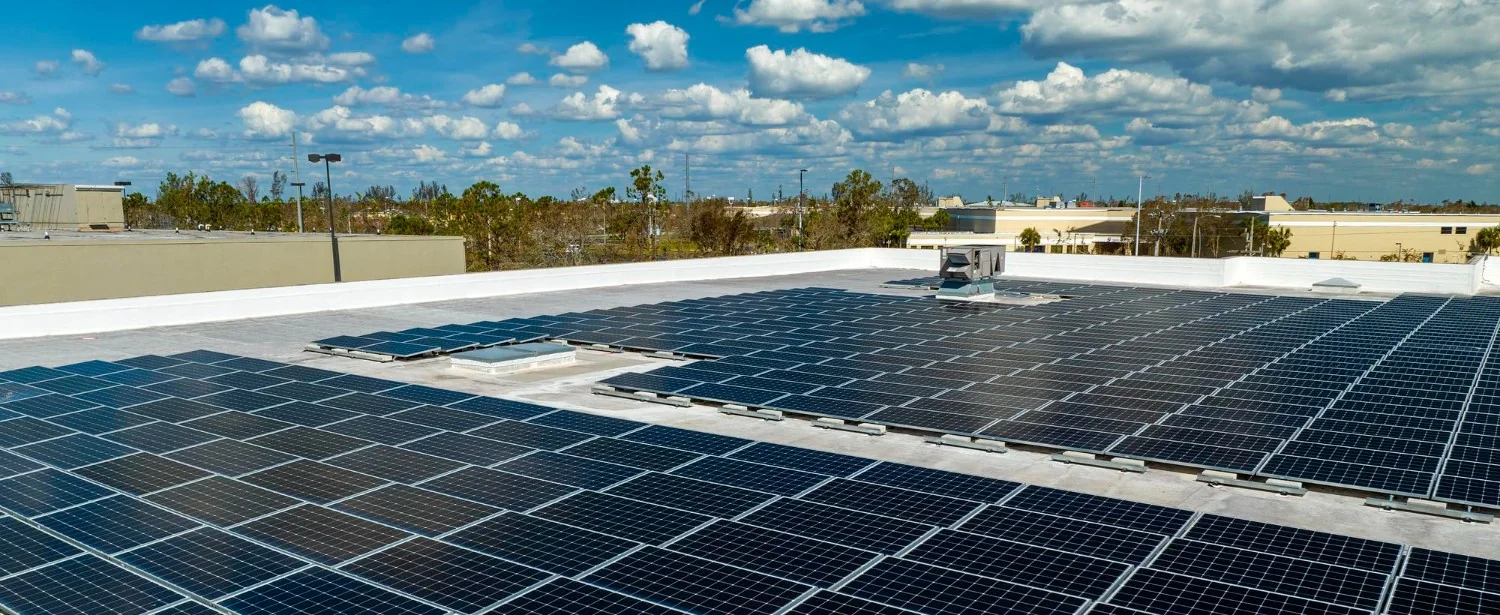
<ul><li><i>India’s rooftop solar capacity reached 30.7 GW in July 2026, increasing the need for better grid management and flexibility.</i></li><li><i>Kerala and Maharashtra are exploring battery ener…

• 𝘛𝘩𝘦 𝘌𝘐𝘉 𝘎𝘳𝘰𝘶𝘱 𝘱𝘭𝘢𝘯𝘴 𝘵𝘰 𝘱𝘳𝘰𝘷𝘪𝘥𝘦 𝘢𝘵 𝘭𝘦𝘢𝘴𝘵 €30 𝘣𝘪𝘭𝘭𝘪𝘰𝘯 𝘧𝘰𝘳 𝘤𝘭𝘪𝘮𝘢𝘵𝘦 𝘢𝘥𝘢𝘱𝘵𝘢𝘵𝘪𝘰𝘯 𝘣𝘦𝘵𝘸𝘦𝘦𝘯 2026 𝘢𝘯𝘥 2030. • 𝘛𝘩𝘦 𝘯𝘦𝘸 𝘵𝘢𝘳𝘨𝘦𝘵 𝘥𝘰𝘶𝘣𝘭𝘦𝘴 𝘢𝘥𝘢𝘱𝘵𝘢𝘵𝘪𝘰𝘯 𝘧𝘪𝘯𝘢𝘯𝘤𝘪𝘯𝘨 𝘤𝘰𝘮𝘱𝘢𝘳𝘦𝘥 𝘸𝘪𝘵𝘩 𝘵𝘩𝘦 𝘱𝘳𝘦𝘷𝘪𝘰𝘶𝘴 𝘧𝘪𝘷𝘦-𝘺𝘦𝘢𝘳 𝘱𝘦𝘳𝘪𝘰𝘥. • 𝘍𝘶𝘯𝘥𝘪𝘯𝘨…