


04 July 2025
Malaysia has introduced new power tariffs targeting data centres with capacities exceeding 100MW, a move expected to reshape the sector by encouraging greater adoption of renewable energy and sustainability-linked practices.
According to a commentary by BMI, a Fitch Solutions Company, these tariffs could raise energy costs by 10-14% in the short term, but are not expected to significantly undermine Malaysia’s leading position in Southeast Asia’s data centre market.
The policy is seen as a catalyst for operators to accelerate investments in sustainability, with those demonstrating strong environmental credentials likely to gain a competitive edge.
In the immediate future, data centre projects-especially those focused on AI applications-may experience delays as operators pause to assess the impact of the new pricing structure. This uncertainty is further complicated by potential restrictions on US-supplied GPUs.
Major players such as DayOne, EdgeConnex, Yondr, AirTrunk, STT, and Vantage, all with projects above the 100MW threshold, are expected to be most affected. However, rather than exiting the market, these companies are anticipated to adapt their strategies and align with the new sustainability standards.
Despite the increased costs, Malaysia is expected to continue benefiting from excess demand in Singapore, which faces land and power constraints, particularly in Johor.
While Malaysia is projected to maintain its dominance in cloud computing demand in the region, some high-density, AI-related investments may shift to less-regulated markets like Indonesia and Thailand.
The report concludes that as Power Purchase Agreements and renewable energy commitments become central to data centre operations, future facility planning will need to be closely integrated with power project development.
The tariff shift finally turns renewable-power access into a competitive edge for Malaysian data centres, and hyperscaler siting maths gets rebuilt around it - PPAs stop being a compliance line item and become part of the site-selection conversation. Our energy-transition and data-and-digital teams have been working with operators and downstream cloud buyers rethinking capex and disclosure through exactly this lens.

• 𝘛𝘩𝘦 𝘜𝘈𝘌 𝘍𝘰𝘰𝘥 𝘉𝘢𝘯𝘬 𝘢𝘯𝘥 𝘋𝘶𝘣𝘢𝘪’𝘴 𝘊𝘰𝘮𝘮𝘶𝘯𝘪𝘵𝘺 𝘋𝘦𝘷𝘦𝘭𝘰𝘱𝘮𝘦𝘯𝘵 𝘈𝘶𝘵𝘩𝘰𝘳𝘪𝘵𝘺 (𝘊𝘋𝘈) 𝘩𝘢𝘷𝘦 𝘴𝘪𝘨𝘯𝘦𝘥 𝘢𝘯 𝘢𝘨𝘳𝘦𝘦𝘮𝘦𝘯𝘵 𝘵𝘰 𝘤𝘰𝘭𝘭𝘦𝘤𝘵 𝘢𝘯𝘥 𝘳𝘦𝘥𝘪𝘴𝘵𝘳𝘪𝘣𝘶𝘵𝘦 𝘴𝘶𝘳𝘱𝘭𝘶𝘴 𝘧𝘰𝘰𝘥 𝘧𝘳𝘰𝘮 𝘸𝘦𝘥𝘥𝘪𝘯𝘨𝘴 𝘢𝘯𝘥 𝘦𝘷𝘦𝘯𝘵𝘴. • 𝘛𝘩𝘦 𝘪𝘯𝘪𝘵𝘪𝘢𝘵𝘪𝘷𝘦 𝘸𝘪𝘭𝘭 𝘧𝘰𝘭𝘭𝘰𝘸 𝘢𝘱𝘱𝘳𝘰𝘷𝘦𝘥…
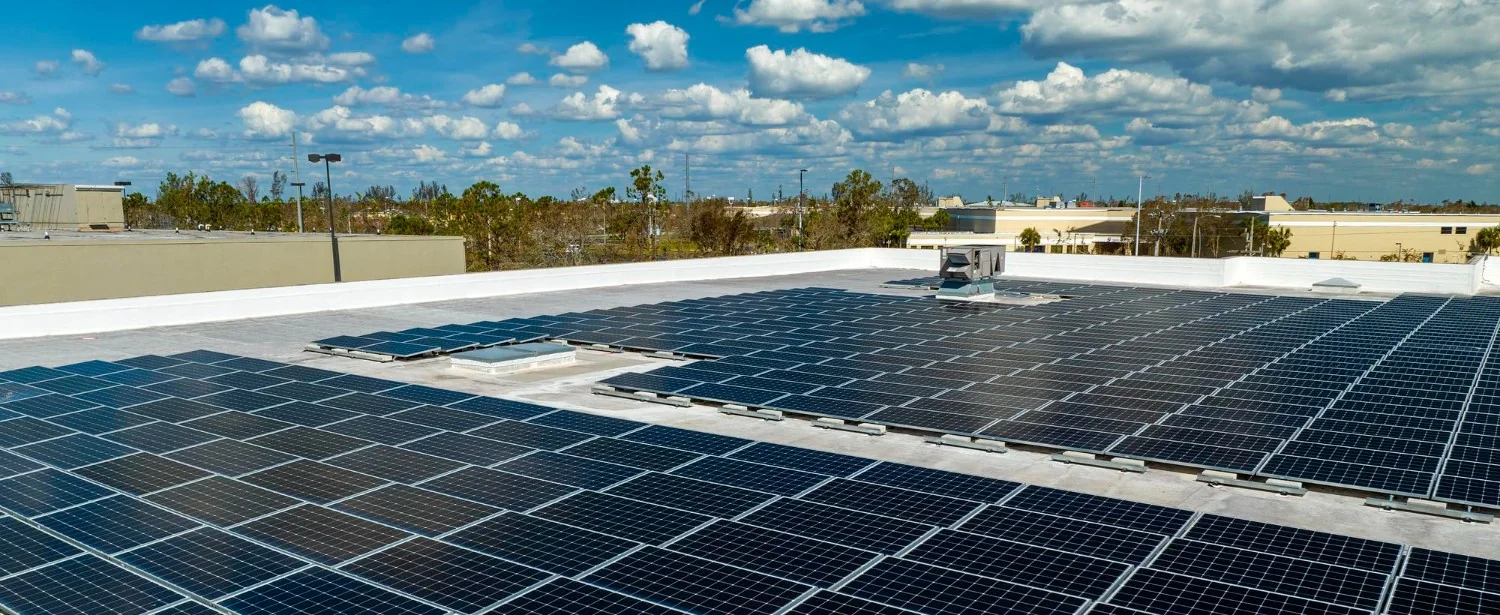
<ul><li><i>India’s rooftop solar capacity reached 30.7 GW in July 2026, increasing the need for better grid management and flexibility.</i></li><li><i>Kerala and Maharashtra are exploring battery ener…

• 𝘛𝘩𝘦 𝘌𝘐𝘉 𝘎𝘳𝘰𝘶𝘱 𝘱𝘭𝘢𝘯𝘴 𝘵𝘰 𝘱𝘳𝘰𝘷𝘪𝘥𝘦 𝘢𝘵 𝘭𝘦𝘢𝘴𝘵 €30 𝘣𝘪𝘭𝘭𝘪𝘰𝘯 𝘧𝘰𝘳 𝘤𝘭𝘪𝘮𝘢𝘵𝘦 𝘢𝘥𝘢𝘱𝘵𝘢𝘵𝘪𝘰𝘯 𝘣𝘦𝘵𝘸𝘦𝘦𝘯 2026 𝘢𝘯𝘥 2030. • 𝘛𝘩𝘦 𝘯𝘦𝘸 𝘵𝘢𝘳𝘨𝘦𝘵 𝘥𝘰𝘶𝘣𝘭𝘦𝘴 𝘢𝘥𝘢𝘱𝘵𝘢𝘵𝘪𝘰𝘯 𝘧𝘪𝘯𝘢𝘯𝘤𝘪𝘯𝘨 𝘤𝘰𝘮𝘱𝘢𝘳𝘦𝘥 𝘸𝘪𝘵𝘩 𝘵𝘩𝘦 𝘱𝘳𝘦𝘷𝘪𝘰𝘶𝘴 𝘧𝘪𝘷𝘦-𝘺𝘦𝘢𝘳 𝘱𝘦𝘳𝘪𝘰𝘥. • 𝘍𝘶𝘯𝘥𝘪𝘯𝘨…